Grapefruit: properties, vitamins, and effect on medications


Table of Contents 4
Medical & Editorial Disclaimer (§3 Terms): This article is for informational and educational purposes only, does not constitute medical advice, diagnosis, or treatment, and is used at your own risk. Consult a qualified physician for medical conditions.
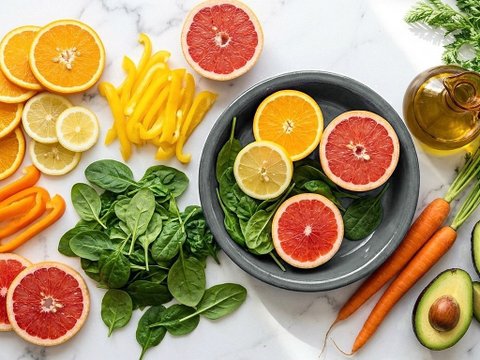
Beneath its thin rind and spongy white albedo, the juicy pulp delivers an array of bioactive compounds, including abundant ascorbic acid, salicylic acid, and antioxidants that help protect cells against oxidative stress while supporting metabolic activity. Conversely, both the flesh and freshly pressed juice contain furanocoumarin derivatives that act as potent inhibitors of essential hepatic enzymes within the cytochrome superfamily. By suppressing these enzymatic pathways, grapefruit can significantly alter the metabolic clearance of numerous therapeutic agents.
For healthy individuals, adding fresh grapefruit to the daily diet offers a refreshing way to boost vitamin intake and support digestive wellness. However, anyone taking regular medications should exercise caution and consult a physician or pharmacist before consuming grapefruit or its juice to prevent potentially hazardous drug interactions.
Grapefruit: A Citrus Hybrid with a Distinctive Flavor Profile and Rich Botanical Heritage
Grapefruit – health benefits and advantageous effects on the human body
Grapefruit: A nutrient-dense citrus fruit packed with health-promoting vitamins
The composition of grapefruit is predominantly water-based, accounting for nearly ninety percent of its total mass. Nevertheless, beyond its aqueous content, this citrus fruit harbors a diverse array of bioactive compounds that confer substantial health benefits. As a member of the citrus family, grapefruit is distinguished by its elevated ascorbic acid concentration, which ranges between thirty and fifty milligrams per one hundred grams of edible pulp. Furthermore, the fruit is abundant in a spectrum of B-complex vitamins, including folic acid (critical for neural tube development and red blood cell formation), thiamine (which facilitates carbohydrate metabolism), riboflavin (essential for maintaining skin integrity and visual acuity), and niacin (a key regulator of lipid profiles). Of equal significance is its vitamin E content—a potent lipid-soluble antioxidant that acts synergistically with vitamin C to mitigate oxidative stress. Additionally, grapefruit provides approximately one-third of the recommended daily intake of provitamin A, primarily in the form of β-carotene, a precursor indispensable for retinal synthesis and immune function.
Pharmacokinetic interactions of grapefruit with therapeutic agents: underlying risks and enzymatic inhibition pathways
Want to apply these guidelines in your daily diet?
Our smart diet generator creates a tailored meal plan in 3 minutes based on the recommendations in this article.
Tags

mgr Tomasz Jankowski
• 25.11.2026Diets Premium Expert
Diets Premium team expert. Specializes in nutrition plans, strength sports, and training plans.