Effects, deficiency and excess of Vitamin A... Sources of Vitamin A


Table of Contents 5
Medical & Editorial Disclaimer (§3 Terms): This article is for informational and educational purposes only, does not constitute medical advice, diagnosis, or treatment, and is used at your own risk. Consult a qualified physician for medical conditions.
At the cellular level, both retinol and protective carotenoids function as potent antioxidants capable of neutralizing harmful free radicals and mitigating oxidative stress. They carefully regulate keratinocyte proliferation and sebaceous gland activity, directly influencing cutaneous health and structural integrity. While an inadequate intake can trigger severe developmental anomalies and impair physiological resilience, an excessive accumulation of preformed retinoids from uncontrolled sources may lead to toxic overload. Therefore, maintaining a physiological balance through regulated intake pathways remains clinically paramount.
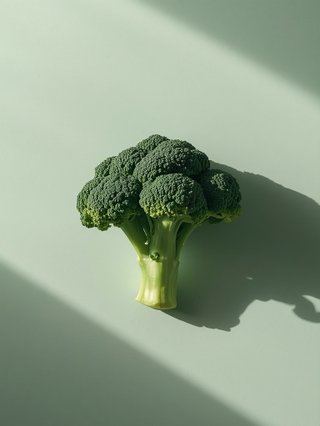
Achieving optimal nutritional status is best accomplished by incorporating a colorful variety of wholesome plant and animal foods into everyday meals. Vibrant vegetables such as carrots, spinach, broccoli, and peppers, alongside seasonal fruits, provide a safe and bioavailable supply of provitamin compounds. Embracing these wholesome dietary practices naturally fosters long-term health and immune competence without the risks associated with excessive synthetic supplementation.
This article is professional premium content (PRO) provided in its entirety.
Vitamin A, also recognized as retinol
The functioning of Vitamin A
Insufficiency of Vitamin A
Excess of vitamin A – a health hazard
Sources of Retinol
Want to apply these guidelines in your daily diet?
Our smart diet generator creates a tailored meal plan in 3 minutes based on the recommendations in this article.
Tags

Anna Schmidt
• 25.11.2026Diets Premium Expert
Diets Premium team expert. Specializes in nutrition plans, strength sports, and training plans.