3 min read
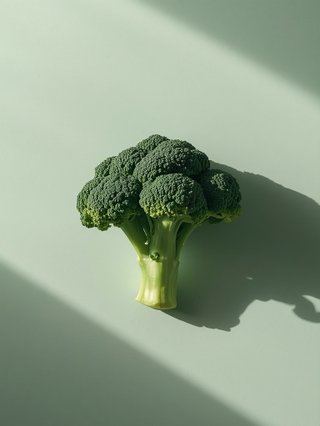
Underrated vegetable treasure - celery


1 photo
756
Smart Voice
AI
0:00
0:00
Listen to the article content live
Table of Contents 3
Medical & Editorial Disclaimer (§3 Terms): This article is for informational and educational purposes only, does not constitute medical advice, diagnosis, or treatment, and is used at your own risk. Consult a qualified physician for medical conditions.
Clinical E-Books & Diet Plans:
Explore E-Books & Plans →
Key Takeaways
Celery is one of the oldest cultivated vegetables known to humankind, with wild varieties revered in ancient Egypt and even depicted on historical coins. Despite its ubiquitous presence in modern kitchens, its broad nutritional value often remains overlooked. Whether consumed as an aromatic root or crisp stalks, this traditional vegetable offers a dense array of micronutrients that support overall vitality, daily wellness, and a longevity-oriented lifestyle.
From a nutritional perspective, both celeriac and stalk celery contain a diverse spectrum of beneficial bioactive compounds. Both varieties provide notable amounts of vitamins A, E, and C, with properly stored celery stalks standing out for their remarkably high ascorbic acid content. Additionally, celery supplies niacin and ranks exceptionally high in phosphorus compared to other root vegetables. While both types are very low in energy density and contribute dietary fiber, they differ in their glycemic impact. Raw celeriac and fresh celery stalks exhibit a very gentle effect on blood sugar levels, whereas cooking the root substantially increases its glycemic response. Regular intake of generous portions is also traditionally associated with supporting male vitality and enhancing libido.
Incorporating both celeriac and celery stalks into daily meal planning allows you to enjoy their distinct culinary flavors while naturally replenishing essential vitamins and minerals. For those monitoring their glycemic response or seeking to preserve heat-sensitive nutrients, prioritizing raw celery stalks or finely shredded raw celeriac salads is an optimal strategy. Freshly pressed celery juice also serves as a convenient daily alternative to whole salads for effortlessly boosting micronutrient intake.
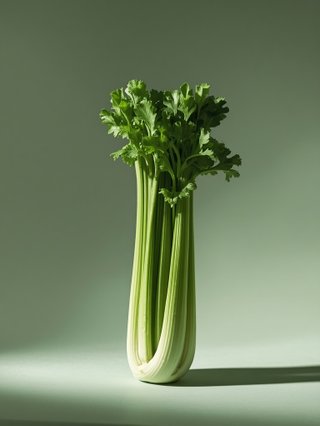
Celery, which is commonly found in our kitchens, is a highly valuable yet underrated vegetable. It contains numerous vitamins that contribute to the good health of our body. Thanks to them, consuming this vegetable can enhance our libido, which may be related to the old superstition that eating celery brings happiness and longevity. Furthermore, celery is one of the oldest vegetables known to mankind, and its wild varieties were already known to the ancient Egyptians, who used it in their cuisine. Even coins from that time had images of celery stalks on their surfaces.
01 / 03
Which constituents does celery encompass?
Both celery root and stalk celery possess a large number of vitamins. Scientists have discovered that there are as many as 86 beneficial constituents! Both varieties boast substantial quantities of vitamins A, E, and C. Stalk celery contains more vitamin C, and upon proper storage, can contain up to 150 mg per 100 g - which is nearly twice the daily recommended intake. Celery also contains the highest amount of phosphorus among root vegetables, as well as vitamin PP, commonly known as niacin. However, that is not the end of what this humble vegetable has to offer. Its mineral wealth also encompasses zinc, calcium, potassium, magnesium, iron, and folic acid.
02 / 03
Celeriac and celery stalk
Both types of celery are very low in calories, but there are some differences between them. I personally recommend consuming both varieties not only as a vitamin supplement in the diet, but also for their flavor characteristics: celeriac – 21 calories in 100 g; 1.8 g of fiber in 100g; glycemic index 35 (raw root), 85 (cooked root); celery stalk – 13 calories per 100 g, 1.6 g of fiber per 100g, glycemic index 15. From this comparison, it is clear that celery stalk has a lower IG, making it more suitable for diabetics. It is also less caloric, but contains slightly less fiber. The ratios of vitamins are similar, with celery stalk containing more vitamin C. Celery can be stored in the refrigerator for up to a week. Celery stalk should not be washed too early. It is best to store it in a plastic container. Celeriac is more durable, but one should not overdo it with storage. The greatest benefit is obtained when it is fresh.
03 / 03
Benefits of consuming celery
A high intake of celery has a positive impact on our health. Apart from supplementing our vitamin deficiencies, it significantly improves sexual performance in men. It raises libido levels. One can experiment and consume large quantities every day for 2 weeks. The effect is practically guaranteed. 'Large quantities' mean different things for different people and depend on weight. In my opinion, more than 300 g of celery per day is sufficient. Celery salad can be substituted with celery juice. Other benefits of consuming this healthy vegetable are: – It stimulates appetite, which is important for people who have trouble eating enough food; – It removes harmful substances from the body and speeds up metabolism, which is beneficial for reducing fat tissue; – It has an antidepressant, analgesic, and anti-inflammatory effect; – It has a calming effect and is diuretic, celery juice is used in the treatment of kidney stones and improving kidney function; – It improves heart function and lowers blood pressure, recommended for people struggling with high blood pressure (why take medication when nature has blessed us with such a healthy vegetable?); – A glass of celery juice consumed on an empty stomach acts like a youth elixir, thanks to its detoxifying effect on the body, and its high content of vitamins C and E has a positive impact on our immunity and fights oxidative stress.
Meal Plan
Want to apply these guidelines in your daily diet?
Our smart diet generator creates a tailored meal plan in 3 minutes based on the recommendations in this article.

mgr Tim Klein
• 25.11.2026Diets Premium Expert
Diets Premium team expert. Specializes in nutrition plans, strength sports, and training plans.