4 min read
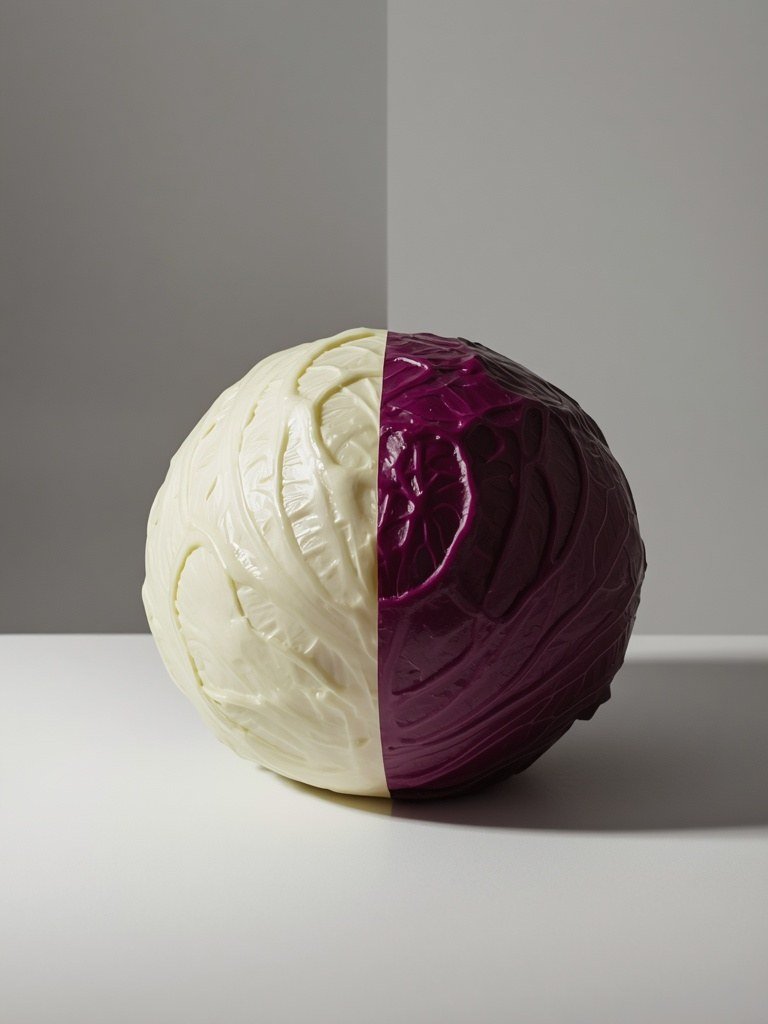
White and red cabbage – differences, health effects, recipes
1 photo
857
Smart Voice
AI
0:00
0:00
Listen to the article content live
Table of Contents 4
Medical & Editorial Disclaimer (§3 Terms): This article is for informational and educational purposes only, does not constitute medical advice, diagnosis, or treatment, and is used at your own risk. Consult a qualified physician for medical conditions.
Clinical E-Books & Diet Plans:
Explore E-Books & Plans →
Key Takeaways
Cabbage stands as a cornerstone of nutritional heritage, offering a profound impact on health through its diverse forms and applications. Whether selecting the white or red variety, this vegetable provides a dense concentration of essential vitamins and minerals that are vital for maintaining bodily functions. Understanding the unique properties of these cruciferous vegetables empowers individuals to make informed dietary choices that honor both tradition and modern wellness needs.
From a physiological perspective, red cabbage is particularly noteworthy for its high levels of anthocyanins, which are potent antioxidants responsible for its vibrant purple hue. These compounds help neutralize free radicals, while the broad spectrum of vitamins, including vitamin C and B-complex, supports immune health and energy metabolism. White cabbage, often utilized in its fermented state, contributes to digestive wellness, and both varieties offer significant amounts of potassium and vitamin A to support overall physiological balance.
Integrating cabbage into a daily routine is both simple and rewarding, ranging from raw slaws that preserve heat-sensitive nutrients to warm, comforting stews. Utilizing cabbage as a base for creative meals, such as nutrient-dense wraps with lean proteins and balsamic glazes, enhances the culinary experience while boosting fiber intake. By prioritizing these versatile vegetables in various preparations, one can achieve a balanced and health-supportive diet rooted in whole-food nutrition.
Cabbage is one of the most favored vegetables in Poland, with a culinary presence that spans centuries. It forms the basis for many dishes, including bigos, pigeons, and also serves as an enhancement to dishes in the form of sour and as a raw ingredient. Both white and red cabbages have a range of health benefits and are a rich source of vitamins and minerals.
01 / 04
White cabbage – a versatile culinary and medicinal vegetable
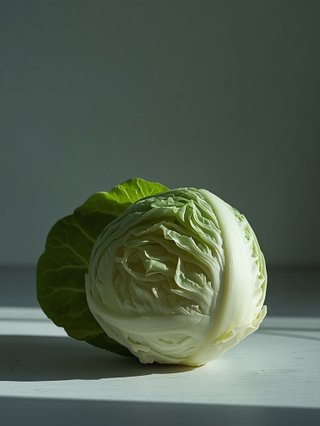
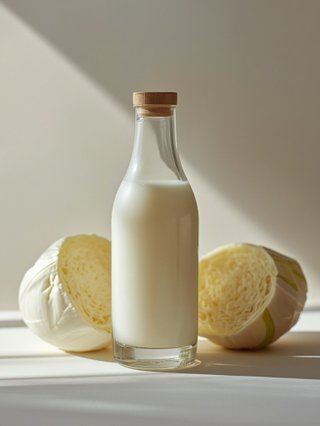
White cabbage represents an exceptionally versatile vegetable with both culinary and medicinal applications. It may be consumed raw in salads, subjected to thermal processing through braising, boiling, or baking, or lacto-fermented to produce sauerkraut. For centuries, it has been a staple in traditional Polish cuisine, serving as a key ingredient in dishes such as bigos (hunter’s stew), cabbage rolls (gołąbki), pierogi fillings, and kapuśniak (cabbage soup). Nutritionally, it is an outstanding source of vitamin C, B-complex vitamins, folic acid, dietary fiber, potassium, and calcium. Despite its low caloric density, it provides biologically active compounds with documented antioxidant and anticancer properties, which—when consumed regularly—support immune function and facilitate detoxification processes.
02 / 04
Classic White Cabbage Dishes – Time-Tested Culinary Recipes
A comprehensive guide to preparing a flavorful white cabbage soup. Essential ingredients include: half of a medium-sized head of white cabbage, one large onion diced into cubes, approximately two liters of clear beef or chicken broth, four dried porcini or bolete mushrooms, coarse sea salt and freshly ground black peppercorns, a pinch of ground nutmeg for enhanced depth of flavor, one full cup of heavy cream (30% fat content), two level tablespoons of all-purpose wheat flour, and fresh parsley for garnishing. Preparation method: Shred the cabbage into medium-thick strips and place in a large pot, covering with hot broth. Add the diced onion, whole peppercorns tied in cheesecloth (for easy removal), grated nutmeg, and pre-soaked, sliced mushrooms. Simmer gently for approximately 40–45 minutes until the cabbage is tender but not overcooked. In a separate bowl, blend the cream with flour to create a smooth slurry, then gradually stir into the soup while continuously mixing to prevent lump formation. Season to taste with salt and pepper. Serve hot, garnished with chopped parsley, ideally accompanied by creamy mashed potatoes or fresh sourdough bread.
03 / 04
Red cabbage (also termed blue cabbage) – nutritional profile, health benefits, and culinary applications
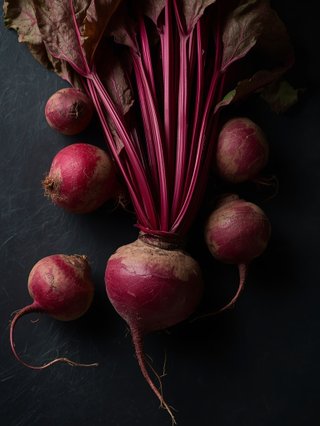
Red cabbage, colloquially referred to as blue cabbage in some regions, derives its distinctive red-purple hue from a high concentration of anthocyanins—bioactive compounds within the flavonoid family renowned for their potent antioxidant effects. When contrasted with white cabbage, red cabbage demonstrates a superior nutritional profile, particularly in terms of vitamin C content, alongside elevated levels of potassium, vitamin A, and B-complex vitamins. It further serves as an exceptional source of essential minerals, including sodium, magnesium, iron, calcium, sulfur, copper, zinc, fluorine, iodine, and chlorine, as well as carotenoids. Notably, white cabbage surpasses it in vitamin K content. The sulfur-rich composition of red cabbage contributes beneficially to the health of skin, hair, and nails, while its antioxidant properties facilitate the neutralization of free radicals, thereby decelerating the aging process and reducing the likelihood of neoplastic transformations. Within traditional Polish cuisine, red cabbage holds a place of prominence: it is commonly incorporated into raw salads, stuffed cabbage rolls (*gołąbki*), served as an accompaniment to meat dishes and Silesian dumplings (*kluski śląskie*), and may be prepared through boiling, braising, fermentation, or even as a sweet dish (e.g., paired with raisins, nuts, apples, or oranges). Its consumption is particularly advised during periods of weakened immune function. Compared to white cabbage, red cabbage is distinguished by a more delicate, pleasant aroma, rendering it a preferred choice for stuffings and soups.
04 / 04
Red Cabbage Tortilla Wraps: A Nutrient-Rich Culinary Creation
Explore this distinctive recipe for flavorful tortilla wraps filled with vibrant red cabbage, tender chicken breast, and melted mozzarella cheese, served with a drizzle of rich balsamic vinegar.
**Ingredients (for two servings):** two flat tortilla wraps, half of a medium-sized red cabbage head, three hundred grams of boneless chicken breast fillet, one large aromatic onion, creamy mozzarella cheese, premium extra-virgin olive oil, thick aged balsamic vinegar with a fruity undertone, sea salt, freshly ground black pepper, ground hot paprika, and a specialized blend of gyros seasoning.
**Preparation method:** Begin by dicing the onion and chicken into uniform, bite-sized cubes, then thoroughly combine with the fragrant olive oil and selected spices before pan-frying in heated fat until golden brown. Slice the mozzarella into thin layers and arrange over half of each tortilla wrap, followed by a layer of finely shredded raw red cabbage. Top with the pre-cooked chicken pieces and the remaining cheese, then carefully fold using the other half of the wrap. Grill in a ridged pan until the exterior achieves a crisp, golden finish. Serve immediately while warm, enhanced with a generous drizzle of balsamic vinegar to accentuate the depth of flavor.
Both red and white cabbage varieties serve as rich sources of bioactive compounds with well-documented health benefits. Each exhibits anticancer, anti-inflammatory, and antioxidant properties, thereby bolstering immune function and decelerating cellular aging. The primary distinction lies in red cabbage’s deep hue, attributed to its high anthocyanin content—potent antioxidants that confer superior free-radical scavenging capacity. Additionally, red cabbage contains elevated levels of potassium, vitamin A, ascorbic acid (vitamin C), and B-complex vitamins, whereas white cabbage provides a higher concentration of vitamin K, which is critical for blood coagulation. Despite these differences, incorporating both varieties into a balanced diet yields measurable health advantages, leading nutritionists to advocate for their regular consumption as part of a diverse, nutrient-dense meal plan.
Meal Plan
Want to apply these guidelines in your daily diet?
Our smart diet generator creates a tailored meal plan in 3 minutes based on the recommendations in this article.
Tags

mgr Mateusz Pawlak
• 25.11.2026Diets Premium Expert
Diets Premium team expert. Specializes in nutrition plans, strength sports, and training plans.