3 min read
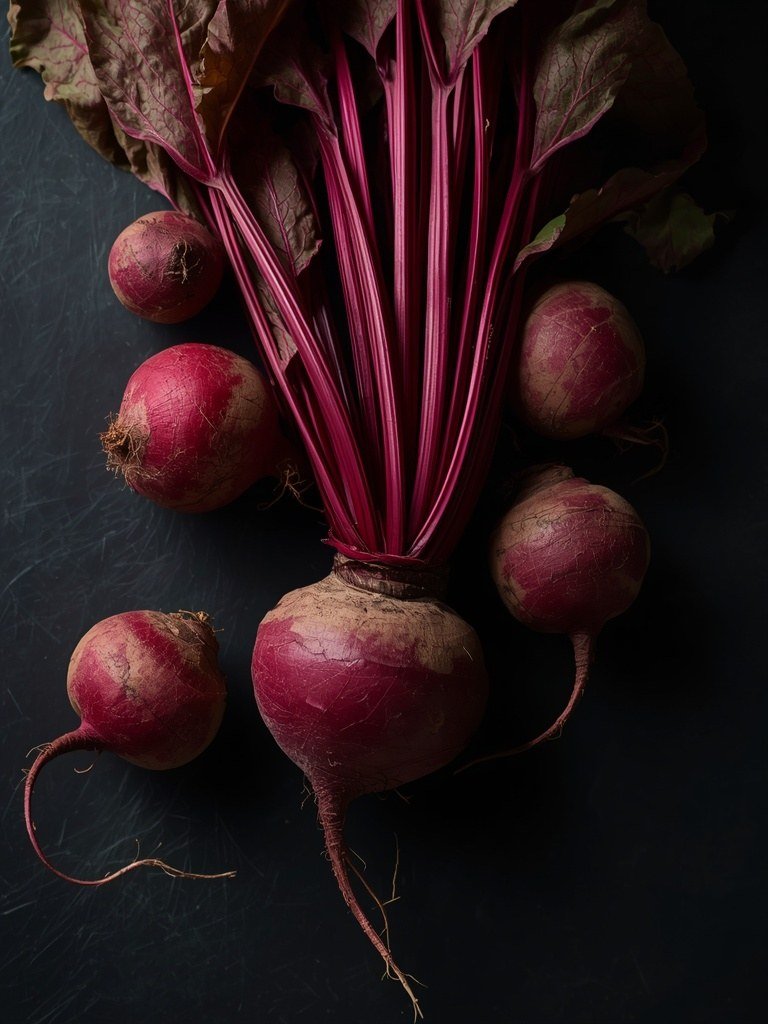
Beets. Vegetables with numerous characteristics and high vitamin content
1 photo
860
Smart Voice
AI
0:00
0:00
Listen to the article content live
Table of Contents 4
Medical & Editorial Disclaimer (§3 Terms): This article is for informational and educational purposes only, does not constitute medical advice, diagnosis, or treatment, and is used at your own risk. Consult a qualified physician for medical conditions.
Clinical E-Books & Diet Plans:
Explore E-Books & Plans →
Key Takeaways
Beetroot is an indispensable component of culinary traditions and offers an impressive variety of health-promoting properties. This root vegetable, which has been valued since ancient cultures, plays a central role in modern nutrition by providing the body with essential nutrients and serving as a valuable support for general well-being, particularly during the colder months of the year.
The physiological effects of beetroot are based on its exceptional biochemical composition. It contains a wealth of B-complex vitamins and vitamin C, which act as potent antioxidants that protect the body against free radicals. Furthermore, the minerals contained within support the maintenance of an optimal pH balance in the organism, enhance digestive processes, and contribute to the regulation of metabolic rates, making it a functional food of high nutritional value.
To fully harness the health potential of beetroot, it is advisable to choose preparation methods carefully. Instead of boiling the vegetable, it is recommended to roast it whole with the skin intact or consume it raw as part of fresh salads and cold-pressed juices. Through these gentle processing methods, the valuable vitamins and minerals are optimally preserved, allowing them to exert their positive influence on the human body to the greatest extent possible.
There is none among us who does not recognize red beetroots? They are an indispensable component of Polish cuisine. We consume them in the form of barszcz, raw salads, and increasingly as an accompaniment to refined salads on our plates. The first records of this vegetable can be found in Babylonian documents dating back to 722 BC. Subsequently, the cultivation of beetroots continued in ancient Greek culture and during the era of Charlemagne, although they were regarded only as leafy vegetables at that time.
01 / 04
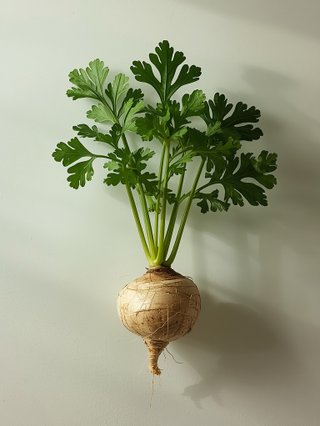
Nutrient-dense red roots: uncovering the health potential of beetroot
Beetroot, a staple ingredient in both Polish culinary traditions and the cuisines of Eastern European nations, is prized as much for its distinctive sweet-earthy flavor as for its unparalleled nutritional composition. Available year-round in fresh, preserved, or processed forms, these vibrant red roots assume particular dietary significance during the autumn and winter months. It is precisely in this season—when immune defenses are often compromised and micronutrient deficiencies become more prevalent—that beetroot emerges as an indispensable source of vitamins, minerals, and bioactive compounds, surpassing the nutrient density of many other vegetables commonly available during this period.
02 / 04
Beetroot: A nutrient-dense functional food with clinically validated bioactive compounds
Beetroot is rightfully classified among so-called "superfoods"—nutrient-dense foods with well-documented health benefits—due to its exceptional biochemical composition. It serves as a rich source of B-complex vitamins (including folate in quantities critically important for pregnant women), as well as vitamin C, which exhibits potent antioxidant activity. Its mineral profile includes macroelements such as potassium (300 mg per 100 g), sodium (84 mg per 100 g), calcium (25 mg per 100 g), and magnesium (15 mg per 100 g), alongside trace elements like phosphorus (3.2 mg per 100 g), iron (0.4 mg per 100 g), and zinc (0.4 mg per 100 g). A distinguishing feature of beetroot is the presence of two rare metals—rubidium and cesium. Furthermore, it contains elevated concentrations of antioxidants, particularly betacyanins (the pigments responsible for its distinctive red-purple hue), whose role in cancer prevention has been substantiated by extensive research. Beetroot also provides non-heme iron with high bioavailability, soluble dietary fiber, and pectins—compounds that facilitate hepatic detoxification by binding and eliminating toxins. Given its high folic acid (folacin) content, it represents an especially valuable dietary component for women planning pregnancy, expectant mothers, and parents of children with appetite disorders („picky eaters“), as it supports optimal fetal development and mitigates nutritional deficiencies.
03 / 04
Beetroot – a comprehensive analysis of its health benefits and scientifically validated effects on human physiology
Beetroot stands out due to its extensive array of health-promoting properties, among which several deserve special attention: **robust antioxidant capacities** that neutralize free radicals and reduce the risk of carcinogenic cell development; **alkalinizing effects** that assist in maintaining the body’s optimal pH balance and counteract acidification; **enhancement of digestive processes**, leading to improved nutrient absorption, and **metabolic rate regulation**, a critical factor in weight management strategies. Furthermore, beetroot functions as a **natural ergogenic aid**, boosting physical endurance by optimizing oxygen utilization in muscle tissues during high-intensity exercise. Its bioactive compounds **support hepatic detoxification**, enhance intestinal function, and protect the kidneys from oxidative damage. Clinical research further validates its **beneficial impact on cardiovascular health**, including the reduction of arterial blood pressure, as well as the **alleviation of menopausal symptoms** such as hot flashes and mood fluctuations. Additionally, its high content of heme iron makes beetroot an **invaluable resource for hemoglobin replenishment**, particularly for women during menstruation, when the risk of iron deficiency is significantly elevated.
04 / 04
Optimal Ways to Consume Beets for Maximum Health Benefits
A common question arises regarding the most effective methods for preparing beets to fully harness their abundant mineral and vitamin content. Nutrition experts generally advise against boiling this vegetable—except when making traditional dishes such as borscht. Far more beneficial approaches include roasting them whole with the skin intact in the oven or consuming them raw, whether as part of fresh salads or cold-pressed juices. It is important to note that beets contain a relatively high concentration of simple sugars, accounting for approximately 9.5% to 10% of their total weight. Individuals managing blood glucose fluctuations should exercise portion control to prevent abrupt insulin spikes. Conversely, due to their easily digestible carbohydrate content, beets serve as an excellent post-workout recovery meal, delivering essential energy when the body needs it most. The year-round availability of this vegetable—including during winter and early spring, when fresh produce options are limited—makes it an invaluable source of nutrients. Regular incorporation of beets into one’s diet can effectively address potential micronutrient and vitamin deficiencies. Explore the diverse culinary techniques for preparing this exceptional root vegetable!
Meal Plan
Want to apply these guidelines in your daily diet?
Our smart diet generator creates a tailored meal plan in 3 minutes based on the recommendations in this article.

mgr Tim Klein
• 25.11.2026Diets Premium Expert
Diets Premium team expert. Specializes in nutrition plans, strength sports, and training plans.