Tomato Cultivars (Solanum lycopersicum): Nutritional Profile, Lycopene Bioavailability, Electrolytes, and Culinary Applications
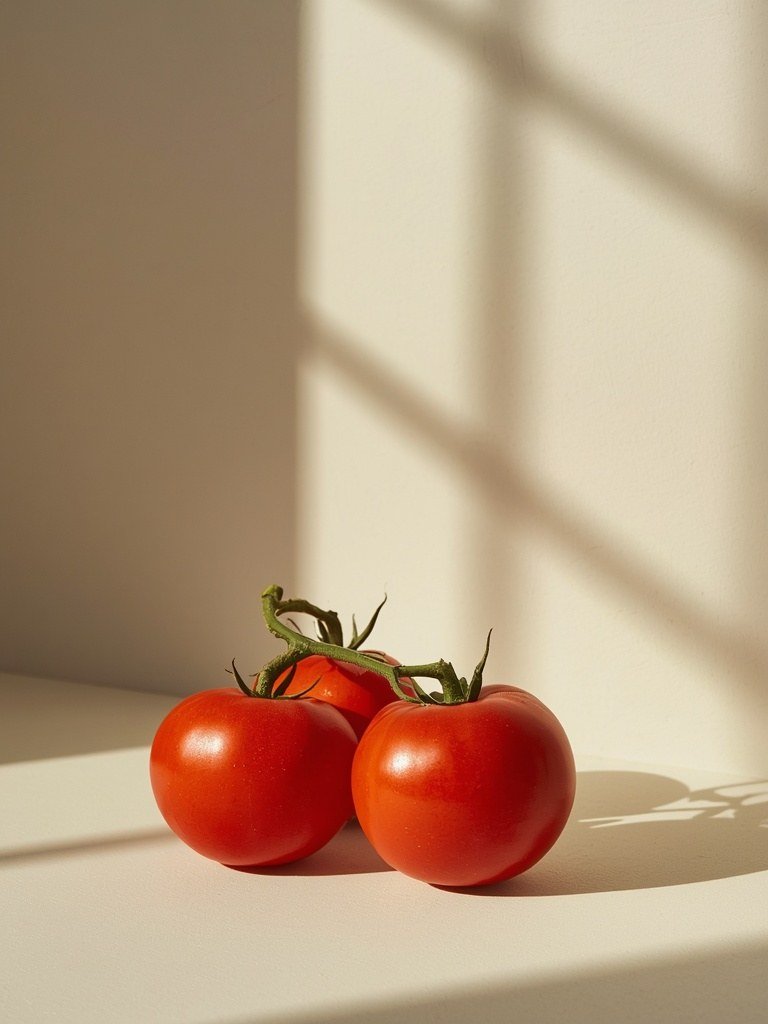
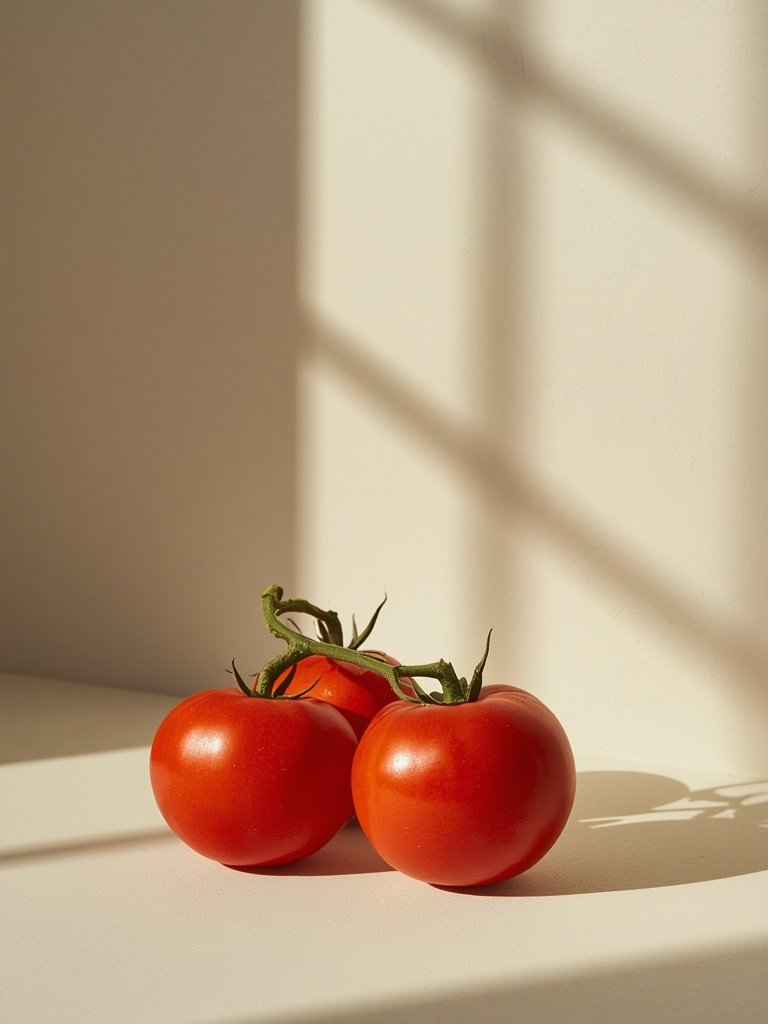
Table of Contents 3
The cultivated tomato (Solanum lycopersicum) is a staple solanaceous crop providing an unmatched dietary reservoir of lycopene, potassium, ascorbic acid, and provitamin A carotenoids. Modern agronomy offers hundreds of cultivars exhibiting diverse morphological profiles, firmness, and flavor chemistries. What distinct micronutrient properties characterize each tomato variety, how does thermal processing amplify lycopene bioavailability, and how should they be deployed in culinary medicine?
Nutritional Value of Tomatoes: Lycopene, Vitamins, and Potassium
The premier functional constituent of tomatoes is lycopene, an acyclic carotenoid exerting potent antioxidant, endothelial-protective, and anticarcinogenic actions, notably inhibiting LDL oxidation and prostatic cellular proliferation. Tomatoes also furnish abundant potassium (~240–280 mg/100 g), a pivotal intracellular cation promoting systemic blood pressure regulation and fluid homeostasis. Furthermore, they supply ascorbic acid, folate, phylloquinone (vitamin K1, critical for osteocalcin gamma-carboxylation), and carotenoids lutein and zeaxanthin protecting retinal macular integrity.
Caloric Density and Low Glycemic Impact of Tomatoes
A 100 g serving of fresh raw tomatoes yields a mere 18–19 kcal, containing roughly 3.0 g of carbohydrates, 0.9–1.0 g of protein, and negligible dietary fat (0.2 g). Water accounts for approximately 94–95% of total mass, making tomatoes exceptionally hydrating with remarkably low caloric density. Soluble and insoluble dietary fiber totals 1.2 g per 100 g. Fresh tomatoes feature an exceptionally low glycemic index (GI 15) and minimal glycemic load, representing an ideal dietary staple for metabolic syndrome, obesity, and diabetic regimens.
Culinary Cultivars: Plum, Beefsteak, Cherry, and Heirlooms
Specific tomato cultivars serve distinct culinary functions: 1. Plum and paste tomatoes (e.g., San Marzano, Roma): characterized by dense locular walls, low seed count, and thick flesh, serving as the gold standard for simmering into marinara sauces, soups, and pastes; 2. Beefsteak and raspberry tomatoes: aromatic, succulent, and delicate, ideal for fresh consumption in Caprese salads and sandwiches; 3. Cherry and grape cultivars: concentrated sugar-acid ratios and firm skin, optimal for roasting whole with herbs; 4. Heirloom and dark cultivars (Kumato): delivering unique anthocyanins with nuanced acidity. Crucially, pairing heated tomatoes with dietary lipids like cold-pressed extra virgin olive oil multiplies lycopene bioavailability up to fourfold.
Want to apply these guidelines in your daily diet?
Our smart diet generator creates a tailored meal plan in 3 minutes based on the recommendations in this article.
Tags

Sophia Williams
Diets Premium Expert
Diets Premium team expert. Specializes in nutrition plans, strength sports, and training plans.