Oat bran and products derived from oat grain processing – nutritional values, beta-glucans, and application
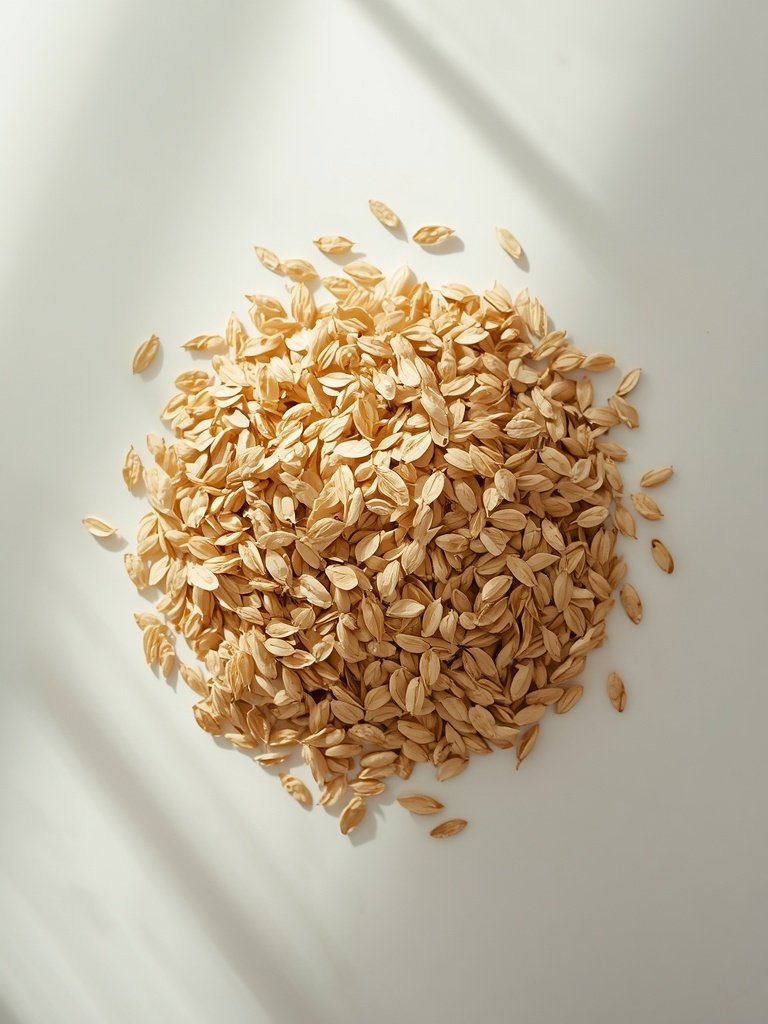
Table of Contents 3
Medical & Editorial Disclaimer (§3 Terms): This article is for informational and educational purposes only, does not constitute medical advice, diagnosis, or treatment, and is used at your own risk. Consult a qualified physician for medical conditions.
The primary physiological benefit of oat bran lies in its high content of water-soluble beta-glucan fibers. These fibers create a viscous hydrogel within the digestive system, which slows gastric emptying and moderates the absorption of glucose into the bloodstream, thereby supporting stable energy levels. Furthermore, these soluble fibers act as prebiotics, nourishing beneficial gut bacteria and promoting a healthy microbiome. The synergy of high-quality plant protein and healthy lipids further enhances its role in weight management by fostering prolonged satiety and supporting cardiovascular health.
Incorporating oat bran into a daily routine is simple due to its mild flavor and versatile texture. It can be seamlessly stirred into fermented dairy products like yogurt or cottage cheese, or cooked into a smooth, fiber-rich porridge. In baking, substituting a portion of refined flour with oat bran increases the nutritional density of breads, pancakes, and muffins without compromising taste. It also functions effectively as a natural thickener for savory soups and stews, offering a practical way to elevate the nutritional profile of common household meals while supporting digestive regularity.
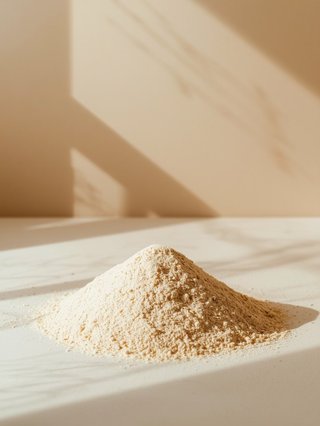
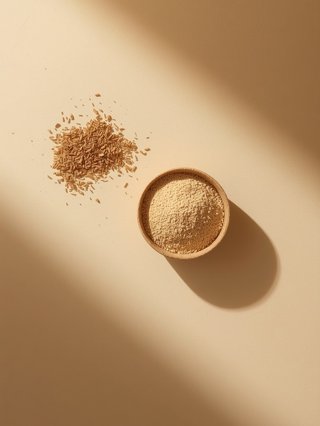
Oat bran is generated as a nutrient-dense byproduct during the milling of dehulled oat groats (Avena sativa) into refined flour or groats, comprising the grain’s outer layers—the pericarp, seed coat, aleurone layer, and a portion of the germ. While these fibrous peripheral fractions are removed when producing fine white flour, clinical nutritionists emphasize their exceptional concentration of bioactive compounds, including water-soluble beta-glucan fibers, B-complex vitamins, essential minerals, and phenolic antioxidants (avenanthramides), making oat bran a premier functional food.
Properties of Oat Bran – Beta-Glucans, Vitamins, and Minerals
Oat bran is an exceptional dietary staple for individuals managing gastrointestinal disorders, hypercholesterolemia, insulin resistance, and weight reduction. Its signature bioactive component is water-soluble beta-glucan fiber (approx. 6–8 g per 100 g), which forms a protective viscous hydrogel in the digestive tract and acts as a prebiotic nourishing beneficial colonic bacteria (such as Bifidobacterium and Lactobacillus).
This viscous matrix slows gastric emptying, moderates postprandial glycemic and insulinemic responses, and binds bile acids in the intestinal lumen, clinically lowering total and LDL serum cholesterol levels. Furthermore, oat bran supplies abundant phosphorus, magnesium (approx. 235 mg/100 g), iron, potassium, zinc, and selenium alongside B-complex vitamins (notably thiamin B1, pantothenic acid B5, and folate B9), supporting bone mineralization, energy metabolism, and neurological function.
Caloric Content and Macronutrient Profile of Oat Bran
A 100-gram portion of oat bran provides approximately 350 to 365 kcal (meaning a standard daily serving of 2 tablespoons or 20 g supplies only about 70 kcal). This macronutrient profile consists of roughly 45.5–50 g of digestible carbohydrates, 17–18 g of high-biological-value plant protein, 7–7.5 g of healthy lipids (predominantly monounsaturated oleic acid and polyunsaturated linoleic acid), and 15–19 g of dietary fiber.
Owing to this synergy of high protein, viscous soluble fiber, and a low glycemic index, oat bran promotes prolonged postprandial satiety, prevents sudden appetite spikes, and facilitates sustainable weight management.
Practical Culinary Applications of Oat Bran in Daily Meals
Oat bran features a mild, pleasantly nutty flavor and fine texture that allows seamless integration into both sweet and savory recipes:
- Breakfast and Fermented Dairy: Stir 1 to 2 tablespoons into plain yogurt, kefir, buttermilk, skyr, or cottage cheese, or simmer with milk or a plant-based beverage to create a creamy, high-fiber oat bran porridge.
- Baking and Batters: Substitute 20–30% of refined flour with oat bran in whole-grain breads, pancakes, waffles, omelet batters, and healthy muffins.
- Savory Dishes: Use as a nutrient-dense replacement for breadcrumbs to bind lean meat or vegetable patties, coat baked fish, or naturally thicken soups and stews.
Important clinical note: An optimal daily intake is 2 to 3 tablespoons (20–30 g), introduced gradually and paired with adequate hydration (at least 1.5–2 liters of water daily).
Want to apply these guidelines in your daily diet?
Our smart diet generator creates a tailored meal plan in 3 minutes based on the recommendations in this article.
Tags

mgr Emilia Szymańska
Diets Premium Expert
Diets Premium team expert. Specializes in nutrition plans, strength sports, and training plans.