Are frozen food items – fruits, vegetables, or meat – frozen correctly? How to carry out this process and how to speed up thawing meat?
Table of Contents 4
Medical & Editorial Disclaimer (§3 Terms): This article is for informational and educational purposes only, does not constitute medical advice, diagnosis, or treatment, and is used at your own risk. Consult a qualified physician for medical conditions.
The physiological mechanisms at play involve the inhibition of enzymatic activity and the prevention of cellular damage caused by ice crystal formation. Blanching vegetables is a critical step to denature enzymes that would otherwise cause flavor and vitamin degradation, while proper vacuum sealing for meat prevents lipid oxidation and freezer burn. By understanding these protocols, individuals can effectively preserve the structural and nutritional composition of their food, ensuring that the benefits of fresh produce are maintained over extended periods.
Practical application in the home kitchen involves portioning ingredients appropriately and adhering to strict microbiological safety standards during the thawing process. Slow thawing within a refrigerator remains the gold standard to ensure that food surfaces do not enter temperature zones that promote bacterial growth. By integrating these professional guidelines into daily routines, readers can enhance food safety and optimize the nutritional quality of their home-prepared meals.
Deep freezing represents one of the premier food preservation technologies, retaining essential vitamins, minerals, and organoleptic properties without chemical additives. However, improper preliminary preparation, suboptimal slow crystallization in home freezers, or unsafe defrosting techniques can induce substantial nutrient leaching and dangerous pathogen proliferation. This guide details industrial IQF principles versus domestic methods, vegetable blanching, meat preservation thresholds, and microbiological protocols for rapid safe thawing.
Frozen Fruits – Preparation Protocols and IQF Technology
Soft berries (strawberries, raspberries, blueberries) require a two-stage freezing approach: thoroughly washed and dried fruits should be arrayed individually on parchment-lined trays for 2–3 hours. Once pre-frozen, they are transferred into airtight vacuum pouches. This prevents clumping into ice blocks and mitigates cellular membrane rupture from large ice crystallization.
Frozen Vegetables – Why Enzymatic Blanching is Obligatory
Prior to freezing, dense vegetables (broccoli florets, cauliflower, green beans, sliced carrots) require brief blanching—immersion in boiling water for 1–3 minutes immediately followed by an ice-water plunge. This thermal step denatures endogenous enzymes (catalase, polyphenol oxidase, lipoxygenase) that would otherwise catalyze gradual vitamin C loss, textural rubberiness, and flavor deterioration.
Frozen Meat – Temperature Controls and Recommended Storage Timelines
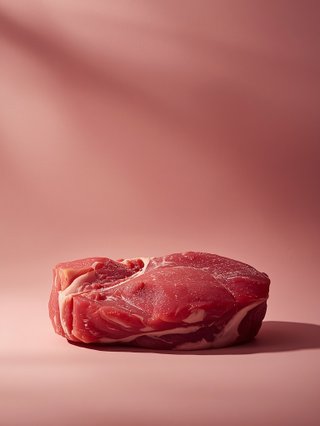
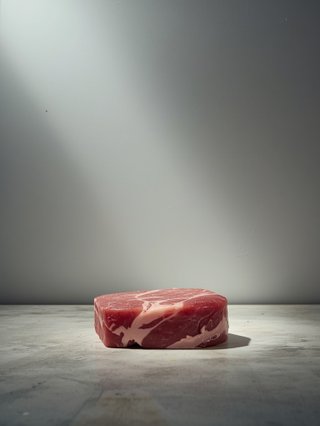
Fresh meat must be frozen at -18°C or below, portioned into meal sizes and vacuum-sealed to prevent oxygen penetration and subsequent freezer burn (sublimation-driven tissue desiccation and lipid oxidation). Recommended storage limits:
- Lean poultry: 9–12 months.
- Beef and veal: 6–10 months.
- Pork: 4–6 months.
- Minced meats and fatty sausages: 2–3 months maximum (intramuscular lipids slowly oxidize even at sub-zero temperatures).
How to Thaw Meat Safely – Microbiological Safety and Rapid Techniques
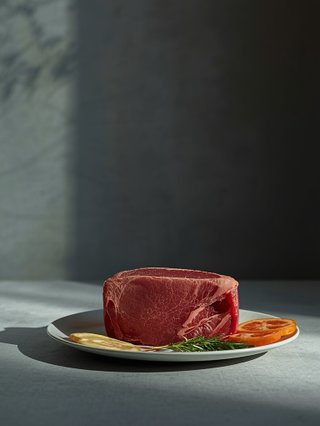
The clinical gold standard: Slow thawing in the refrigerator at 2–4°C on the bottom shelf. This guarantees the surface never enters the microbiological 'danger zone' (5–60°C), where foodborne pathogens proliferate exponentially.
Approved rapid thawing protocols:
- Cold water submersion: Place meat in a leak-proof bag fully submerged in cold tap water, refreshing the water every 30 minutes. A 1 kg cut thaws within 90–120 minutes.
- Microwave Defrost: Rapid and safe, but mandates immediate thermal cooking as localized edges begin cooking during microwave excitation.
- Absolute strict prohibition: Never thaw meat on the kitchen counter at ambient room temperature or in warm/hot water!
Want to apply these guidelines in your daily diet?
Our smart diet generator creates a tailored meal plan in 3 minutes based on the recommendations in this article.

Wojciech Wiśniewski
• 23.10.2026Diets Premium Expert
Diets Premium team expert. Specializes in nutrition plans, strength sports, and training plans.