Emmer wheat – Unique nutritional profile and traditional applications in modern diets
Table of Contents 5
This article is professional premium content (PRO) provided in its entirety.
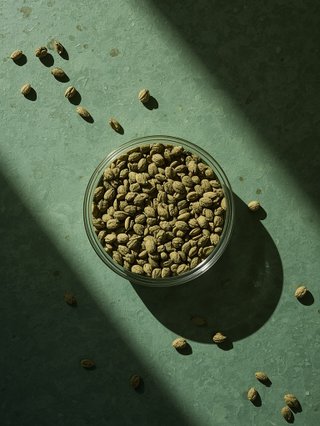
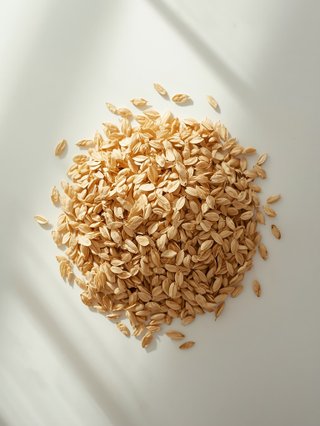
Emmer wheat (Triticum dicoccum), an ancient hulled grain, ranks among the ancestral progenitors of modern cultivated wheat. Revered since Neolithic and biblical eras, it is currently experiencing a prominent revival within nutritional science. Protected by robust outer glumes that safeguard the kernel against external pollutants, emmer delivers superior concentrations of high-quality plant proteins, magnesium, iron, zinc, and potent antioxidant carotenoids like lutein.
Emmer wheat – ancient cereal lineage and historical significance
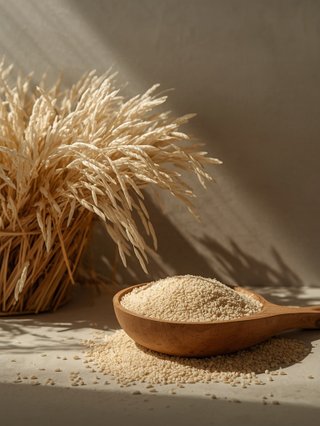
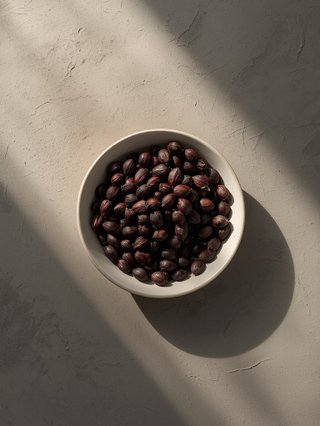
Alongside einkorn and spelt, emmer forms the ancestral foundation of domesticated cereal agriculture, cultivated in the Fertile Crescent since 9000 BCE. Unlike modern hybridized wheat bred exclusively for commercial yield and industrial elasticity, emmer maintains its wild genetic purity. It boasts an earthy, nutty flavor, a distinct amber hue, and natural agronomic resilience against pests and fungal infections, making it an extraordinary centerpiece for organic farming.
Nutritional characteristics and therapeutic virtues of emmer
Emmer is distinguished by a higher protein concentration (approximately 14–16%) than modern wheat, enriched with essential amino acids. It supplies abundant essential minerals: magnesium, zinc, iron, phosphorus, and B-complex vitamins. Notably, emmer concentrates remarkable levels of lutein—a powerful dietary carotenoid that protects retinal tissues and macular integrity against oxidative degradation. Abundant soluble and insoluble fiber fractions normalize bowel motility and cultivate beneficial intestinal microbiota.
Emmer flour, bran, and groats in culinary preparation
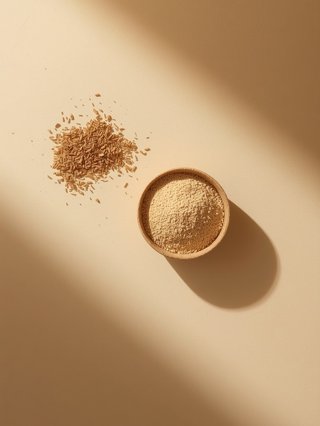
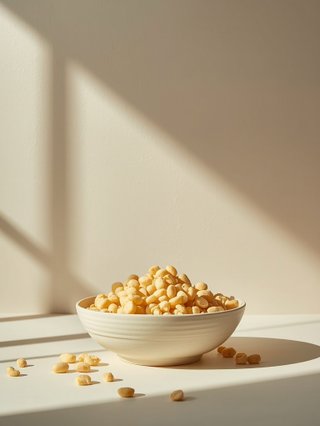
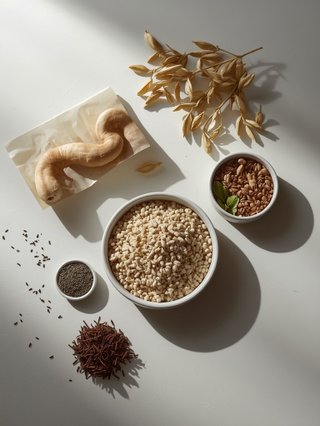
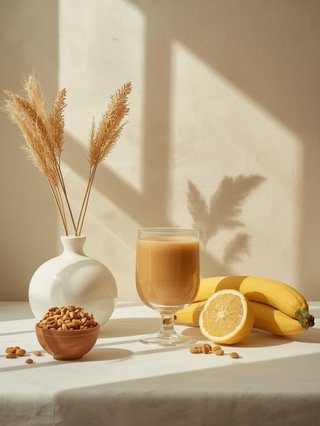
Emmer derivatives bring culinary depth to whole-food gastronomy. Emmer flour produces exceptional sourdough bread featuring a crisp crust, fine crumb, and deeply satisfying nutty notes. It excels in artisan pasta production, pancakes, and rustic pastry doughs. Emmer bran offers an effortless way to augment dietary fiber in yogurts and morning porridge, while whole emmer grains simmered slowly create exquisite 'farrotto' dishes that replace traditional arborio rice with superior nutritional density.
Emmer wheat and gluten – digestibility and physiological tolerance
Emmer is an inherently gluten-containing grain; consequently, individuals diagnosed with celiac disease or severe wheat allergy must avoid it strictly. Nevertheless, the molecular architecture of emmer gluten differs meaningfully from that of modern commercial wheat. It displays a gentler gliadin-to-glutenin ratio, forming a less rigid gluten matrix that is more accessible to gastric proteolysis. Consequently, many individuals with non-celiac wheat sensitivity (NCWS) report superior gastrointestinal tolerance when consuming artisan, long-fermented emmer sourdough breads.
Pricing, sourcing channels, and product quality indicators
Due to moderate agronomic yields and the rigorous mechanical dehulling process required, authentic emmer products carry a modest price premium over commercial wheat flour. Consumers should seek certified organic emmer flour stone-milled at low temperatures. Traditional stone milling protects the nutrient-dense cereal germ and fragile lipids from heat-induced oxidation, ensuring that vitamins, enzymes, and delicate aromatics remain fully preserved for optimal human vitality.
Want to apply these guidelines in your daily diet?
Our smart diet generator creates a tailored meal plan in 3 minutes based on the recommendations in this article.
Tags

Literatura: Biskup I., Mizerska A., Fecka I.: „ Alkilofenole pochodzenia naturalnego – właściwości i perspektywy wykorzystania ich w lecznictwie .”, Post Fitoter 2015, (16)1/37-44. Cyrkler-Degulis M, Bulińska-Radomska Z.: „ Plonowanie i zdrowotność odmian i populacji czterech gatunków pszenicy ozimej w warunkach gospodarstw ekologicznych .”, Journal of Research and Applications in Agricultural Engineering, 2006, Vol. 51(2). Karp J.: “Płaskurka czy orkisz – stare odmiany pszenicy.”, Wiadomości Rolnicze, Podlaski Ośrodek Doradztwa Rolniczego w Szepietowie, 2013/04. Majewska K., Tyburski J: „ Surowcowe i technologiczne aspekty produkcji polskiego pieczywa tradycyjnego. ”, Biul. Nauk., 2009, 30/25-28. Rożnowski J., Kłosowska J., Polzer P.: „ Żywieniowe i prozdrowotne znaczenie pszenicy orkisz (Triticum spelta L.). ”, Post Fitoter 2015; (16)1: 45-49. Serpen A., Gokmen V., Karagoz A., Koksel H.: „ Phytochemical quantification and total antioxidant capacities of emmer (Triticum dicoccon Schrank) and einkorn (Triticum monococcum L.) wheat landraces .”, J Agric Food Chem., 2008.
Diets Premium Expert
Diets Premium team expert. Specializes in nutrition plans, strength sports, and training plans.