
1 / 1
1 zdjęcie
462
Mrożenie żywności: co nadaje się do zamrażalnika, a czego unikać – praktyczny przewodnik
Przetwarzanie Żywności
Przechowywanie Żywności
Przemysłowy
Anna Schmidt
Autor
2026-09-24
Data
4 min. czytania
article.read_time
3
Rozdziały
Chociaż współczesna kuchnia wydaje się nie do pomyślenia bez urządzeń chłodniczych, to historia ich stosowania sięga zaledwie kilku dziesięcioleci. Dopiero w ubiegłym stuleciu doceniono korzyści płynące z obniżania temperatury przechowywanych artykułów spożywczych, a pierwszy domowy agregat łączący chłodziarkę z zamrażalnikiem pojawił się na rynku dopiero w roku 1939. Obecnie technika przedłużania świeżości produktów poprzez głębokie mrożenie jest powszechnie stosowana w gospodarstwach domowych oraz przemyśle spożywczym. Niemniej jednak wielu konsumentów nie zdaje sobie sprawy z tego, że pewne grupy żywnościowe nie tolerują obróbki niskimi temperaturami – ich zamrożenie może prowadzić do nieodwracalnych zmian strukturalnych, utraty wartości odżywczych czy pogorszenia walorów smakowych i zapachowych. Warto więc poznać zasady prawidłowego mrożenia, aby unikać typowych błędów i maksymalnie wykorzystać potencjał tej metody konserwacji.
Zamrażanie
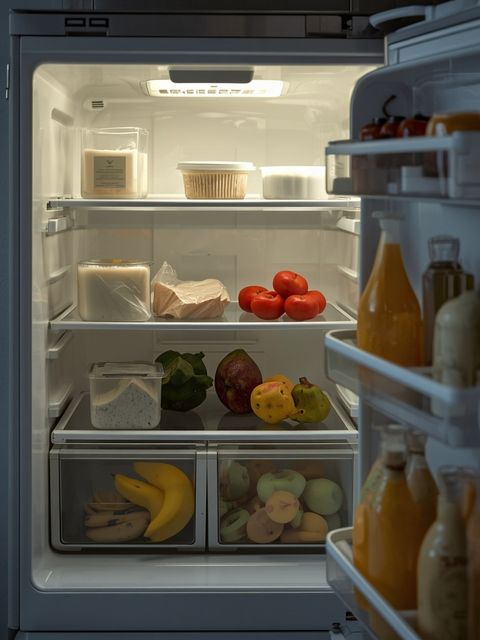
Zamrażaniem produktów żywnościowych nazywamy proces technologiczny pełnej lub częściowej zamiany wody zawartej w produkcie w lód, którego rodzaj kryształów (wielkość i kształt) zależy od szybkości mrożenia i rodzaju surowca oraz wpływa znacząco na efektywność procesu.. Najbardziej korzystne jest szybkie zamrażanie, podczas którego powstaje duża ilość małych kryształów lodu – takie struktury są na tyle małe, że nie uszkadzają komórek zamrażanego surowca i powodują mniejsze zmiany produktu po rozmrożeniu.. Wolne zamrażanie powoduje z kolei tworzenie dużych kryształów w przestrzeniach międzykomórkowych i między włóknami produktu, co skutkuje dużym wyciekiem soku komórkowego po rozmrożeniu.. Podsumowując, dużo korzystniejsze jest jak najszybsze obniżenie temperatury produktu do wartości, w której obecna w niej woda zostanie zamieniona w kryształy lodu.. W przemyśle spożywczym wykorzystywane są różne sposoby zamrażania żywności, dostosowane do rodzaju surowca zamrażanego i dążące do możliwie największego skrócenia czasu mrożenia i uzyskania tym samym mrożonek o jakości równej produktom świeżym, a także obniżenia kosztów i czasu tego procesu.. Współczesne metody szybkiego zamrażania można podzielić na zamrażanie kontaktowe, immersyjne i w powietrzu (fluidyzacyjne i owiewowe).. To ostatnie jest nam najbardziej znane – występuje bowiem w domowych zamrażarkach, które posiada większość z nas.. Mimo iż ten sposób mrożenia wydaje się najbardziej uniwersalny, w rzeczywistości nie każdy produkt można w ten sposób zamrozić.. Pewne produkty spożywcze nie powinny być w ogóle zamrażane.
Produkty których lepiej nie mrozić
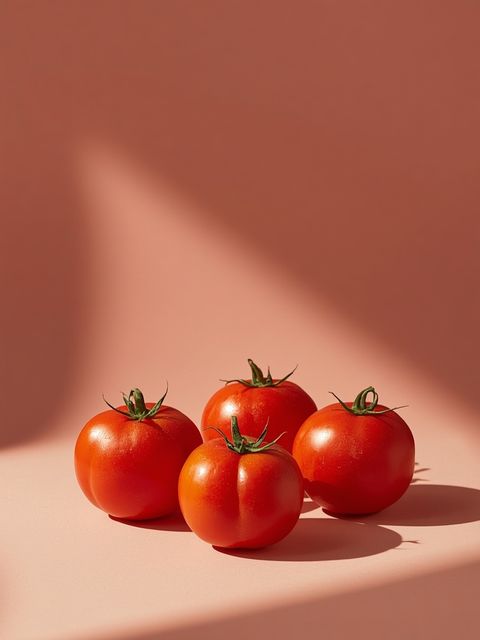
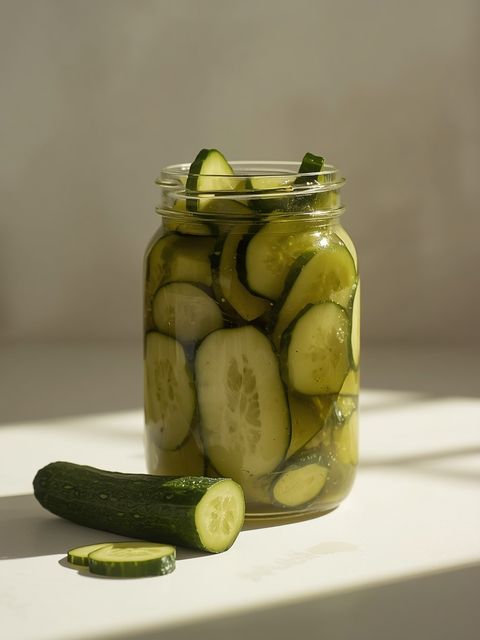
Kremy (śmietana, budyń, majonez) i dressingi do sałatek, miękkie sery (ricotta, wiejski, śmietankowy), sery żółte, mleko, jogurt, niektóre warzywa (szczególnie ogórek, pomidor, sałata), owoce (m.. in. Grejpfrut, jabłko, cytryna, limonka, pomarańcza, arbuz, winogrona), ugotowane ziemniaki, ryż, makaron, jajka w skorupkach i ugotowane, produkty wcześniej rozmrożone, napoje gazowane, wyciskane świeżo soki owocowe, kawior, sałatki z majonezem, gorące dania, produkty zawierające żelatynę.
Czy to w ogóle dlaczego nie wszystkie produkty można mrozić?
Mrożenie ma na celu przedłużenie trwałości żywności z zachowaniem ich wyjściowej wartości odżywczej w jak największym stopniu.. Niestety, niektóre produkty pod wpływem niskiej temperatury tracą smak, konsystencję i walory odżywcze.. Po rozmrożeniu nie odzyskują wyjściowej postaci, a ich jakość ulega drastycznemu obniżeniu.. Następuje duży wyciek soku, wraz z którym produkt traci swoją wartość odżywczą (np.. Dużą część witamin).. Szczególnie widoczne jest to podczas zamrażania produktów zasobnych w wodę, gdy powstające w surowcu kryształki lodu naruszają jego delikatną strukturę komórkową.. Produkt nie odzyskuje więc pierwotnego wyglądu zewnętrznego (kształtu, jędrności) i składu (zawartości wody i substancji odżywczych).. Niekorzystne zmiany wynikające z zamrażania kremów będą zaś sprowadzać się do ich zmienionej formy – po rozmrożeniu śmietana zwykle rozwarstwi się i nie odzyska pierwotnej konsystencji.. Podobne rozdzielenie faz nastąpi w przypadku zamrożonych soków owocowych.. Niekorzystne zmiany strukturalne nastąpią także w zamrożonych serach żółtych – po rozmrożeniu będą się one kruszyć i stracą smak.. Nie wolno również zamrażać wcześniej rozmrożonych produktów – obecne w nich mikroorgaznimy po rozmrożeniu mogą z powrotem zacząć się namnażać stwarzając zagrożenie mikrobiologiczne.. Złym pomysłem jest zamrażanie produktów gorących – może to prowadzić do zepsucia naszej zamrażarki.. Zamrażanie jest procesem utrwalającym żywność na drodze termicznej z zachowaniem jej właściwości fizycznych i walorów odżywczych w jak największym stopniu.. Mimo iż dużo zależy od jakości i rodzaju surowca oraz sposobu i szybkości mrożenia, nie wszystkie produkty nadają się do zamrożenia.. Nie należy zamrażać produktów zasobnych w wodę (np.. Ogórek, pomidor, arbuz) i tłuszcz (np.. Majonez), a także nabiału, niektórych płynów, produktów ugotowanych i wcześniej odmrożonych.. Może to bowiem powodować uszkodzenie ich struktury komórkowej rzutujące na zmiany konsystencji, wyglądu zewnętrznego i wartości odżywczej produktu po rozmrożeniu, sprawiając iż nie będą nadawać się do spożycia lub też stracą walory smakowe.. Zamrażanie jest fantastycznym i ogólnodostępnym sposobem przechowywania żywności, o ile wiemy, co i w jaki sposób możemy w ten sposób utrwalać.. Warto pamiętać, iż nie wszystkie produkty spożywcze się do tego nadają.