Chiasamen: Energiedichte, Phytochemie und funktionelle Küchenanwendung

| Diets Premium Experte Kacper Nowak | Min. Lesezeit 4 min | Wissenschaftlich geprüft durch klinische Ernährungsberater 23.10.2026 |
Audio-Sprecher
•Artikelinhalt live anhören
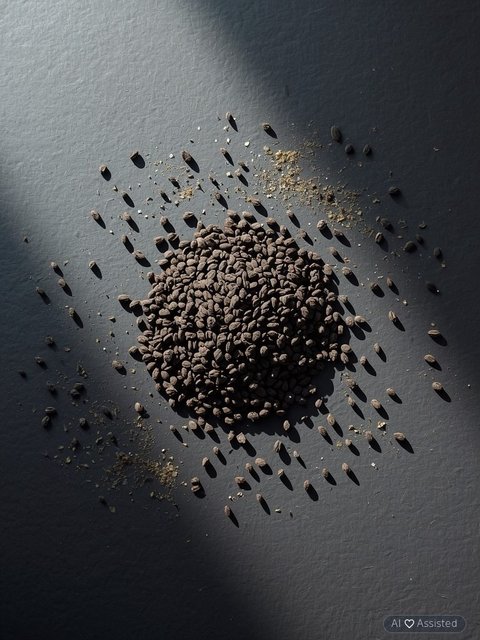
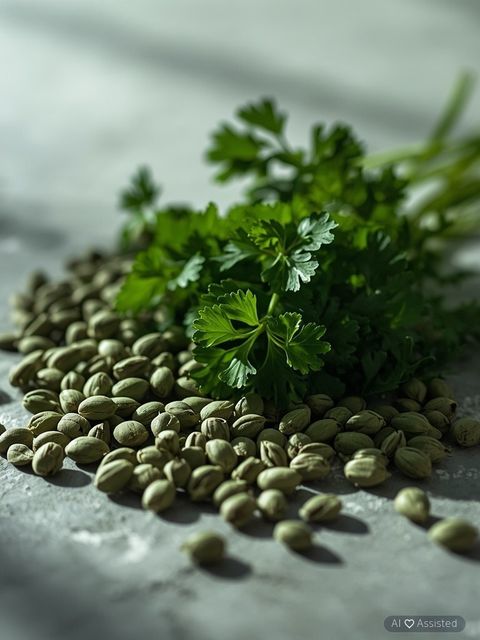
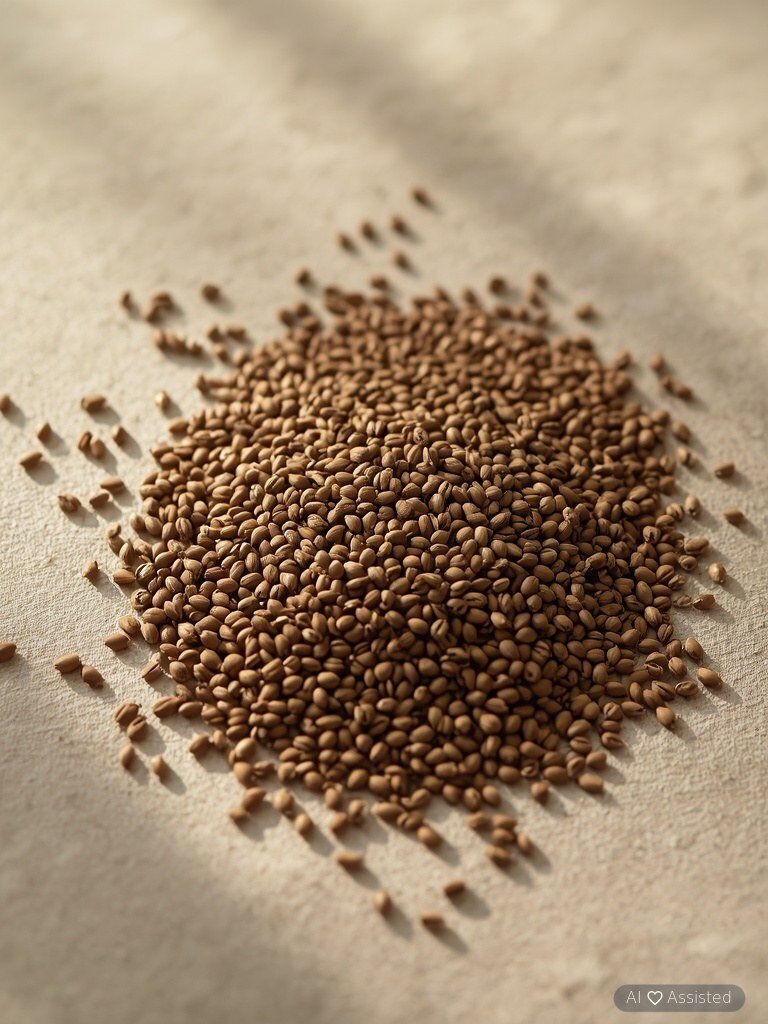
Chiasamen (Salvia hispanica L.) bildeten neben Mais und Amarant das energetische Fundament präkolumbianischer Hochkulturen. Die moderne Trophologie bestätigt heute ihren außergewöhnlichen Nährwert, ihren Reichtum an Polyphenolen und ihr enormes Potenzial in der Präventivmedizin.
Möchten Sie diese Richtlinien in Ihrer täglichen Ernährung umsetzen?
Unser intelligenter Diät-Generator erstellt in 3 Minuten einen maßgeschneiderten Speiseplan basierend auf diesen Empfehlungen.
Macronutrient Distribution, Energy Density, and Glycemic Impact
A 100 g portion of chia seeds yields roughly 486 kcal, structured around 31 g of dietary lipids, 16.5 g of plant protein, and 42 g of carbohydrates – of which 34 to 38 g constitutes functional dietary fiber:
- Negligible glycemic impact: With net digestible carbohydrates representing merely 1–2 g per 100 g, chia possesses a virtual near-zero glycemic index (GI ≈ 1).
- Type 2 diabetes management: The viscous mucilage buffers starch breakdown, attenuating postprandial glycemic excursions and contributing to stable long-term glycated hemoglobin (HbA1c) readings.
Polyphenolic Armor and Oxidative Longevity: Chlorogenic Acid, Quercetin, and Kaempferol
Chia seeds display unprecedented resistance against lipid auto-oxidation compared to other oilseeds, mediated by an endogenous polyphenolic network:
- Chlorogenic and caffeic acids: Potent phenolic acids scavenging reactive oxygen species (ROS), providing hepatoprotective and vasodilatory support.
- Quercetin and kaempferol: Flavonol antioxidants shielding vascular endothelium, down-regulating inflammatory cytokines, and preventing LDL cholesterol peroxidation.
- Extended shelf life: This intrinsic preservative matrix maintains PUFA integrity over years without requiring cold-chain refrigeration.
Culinary Engineering: The 'Chia Egg' Binder and Perfect Pudding Hydration Ratios
The unique hydrocolloid characteristics of chia open diverse culinary possibilities across plant-based and allergen-free meal planning:
- The 'Chia Egg' substitute: Blending 1 tablespoon of ground chia seeds (~10 g) with 3 tablespoons of warm water (~45 ml) and standing for 10 minutes creates a cohesive binding mucilage equivalent to 1 poultry egg.
- Golden pudding ratios: Mix 2 tablespoons of chia (~25 g) with 150–200 ml of fluid. Whisk vigorously, let settle for 10 minutes, whisk once more to prevent clumping, and chill for at least 2 hours.
- Daily standard: Clinical consensus sets daily intake at 15–20 g, paired with adequate total fluid hydration.
Chia seeds IG
Organic chia seeds
Chia seeds are pricey
Chia seeds are calorific
Chia seeds should be used
Chia seeds how much per day
Chia pudding proportions and recipe
Tags

Kacper Nowak
✓Diets Premium Experte
Experte im Team von Diets Premium. Spezialisiert auf Ernährungspläne, Kraftsport und Trainingspläne.
Profil ansehen →