1 / 1
1 zdjęcie
372
Kurkuma: Das goldene Gewürz Indiens und seine Rolle in der traditionellen fernöstlichen Heilkunde
Lebensmittel
Beschwerden & Gesundheit
Traditionelle Indische Medizin
Kulinarische Traditionen
Traditionelle Medizin
Ayurvedische Medizin
Traditionelle Küche
Kulinarische Medizin
Küchengewürz
Indische Küche
Thermogen
Traditionell
Katarzyna Mazur
Autor
2026-09-24
Datum
2 Min. Lesezeit
article.read_time
3
Kapitel
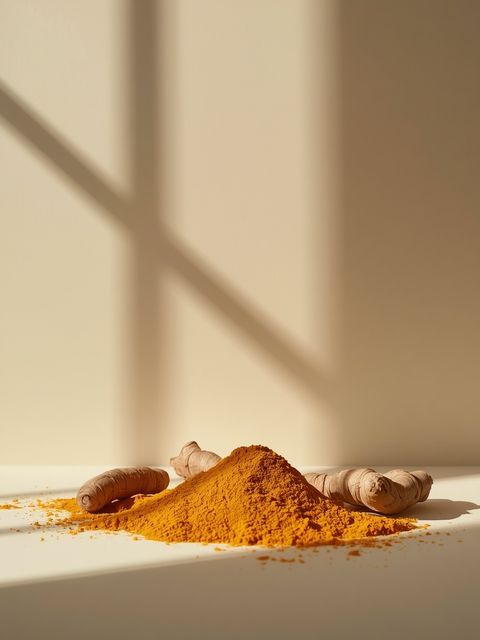
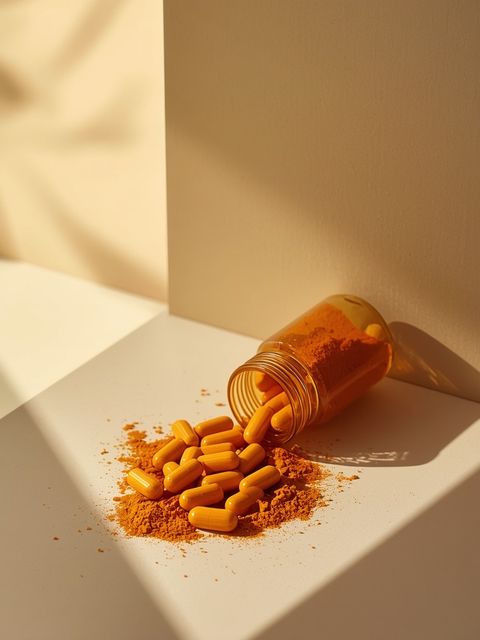
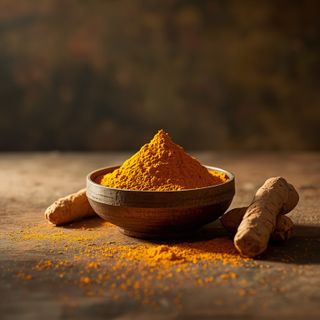
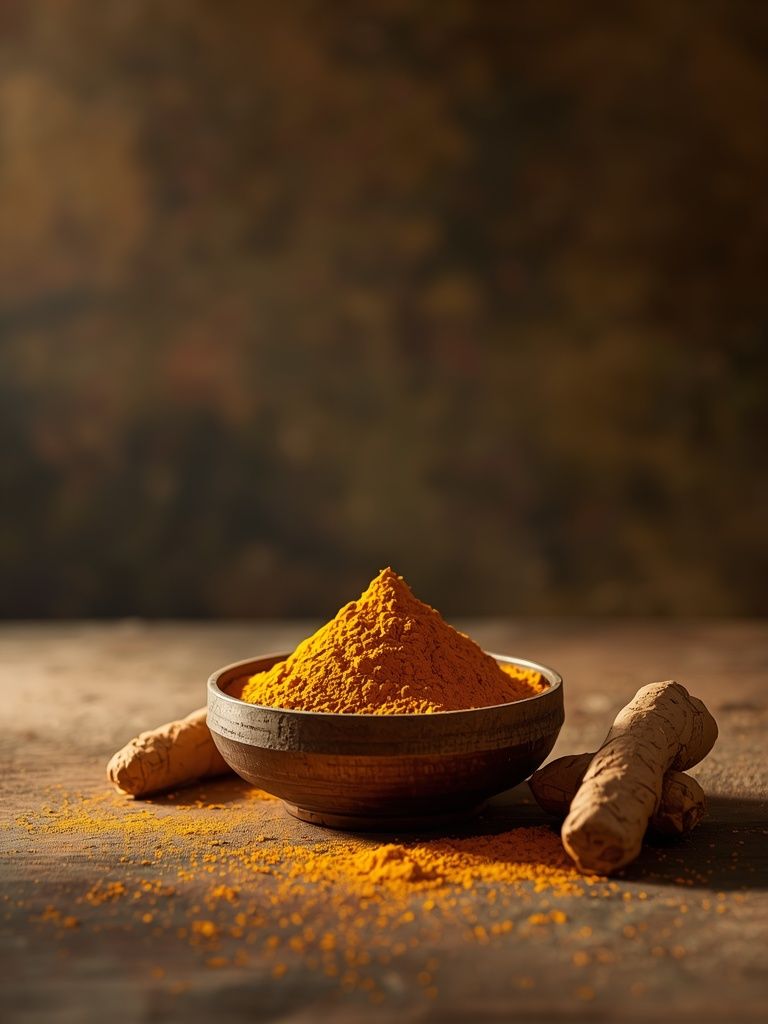
Kurkuma, auch als "das goldene Gewürz" bezeichnet, ist ein unverzichtbarer Bestandteil der indischen Küche und Heiltradition mit einer Geschichte von über viertausend Jahren. Aus botanischer Perspektive handelt es sich um eine ausdauernde krautige Pflanze aus der Familie der Ingwergewächse (*Zingiberaceae*), die durch ihre thermogene Wirkung gekennzeichnet ist – eine Eigenschaft, die seit Jahrhunderten in der Ayurveda-Medizin genutzt wird. Der aktive Wirkstoff Kurkumin, ein gelbes Polyphenol, entfaltet eine Vielzahl positiver Effekte auf den menschlichen Organismus, die sowohl durch traditionelle Erfahrungen als auch durch moderne wissenschaftliche Studien belegt sind.
The properties of turmeric vitamins and minerals
Turmeric also strengthens the body's resistance to infection by acting as an anti-inflammatory, anti-oxidant and anti-cancer agent on the human body. It affects the proper functioning of the digestive tract, especially the liver and the gastrointestinal tract, by facilitating the digestion of fatty foods with a high fat content. It also increases the resistance of the body to infectious diseases because it acts as an antimicrobial agent and accelerates the healing of wounds.
Is it even calories? How many calories does turmeric have?
100 g of turmeric provides 354 calories, of which 65 g of carbohydrates, 10 g of fat and 8 g of protein.
Turmeric is used
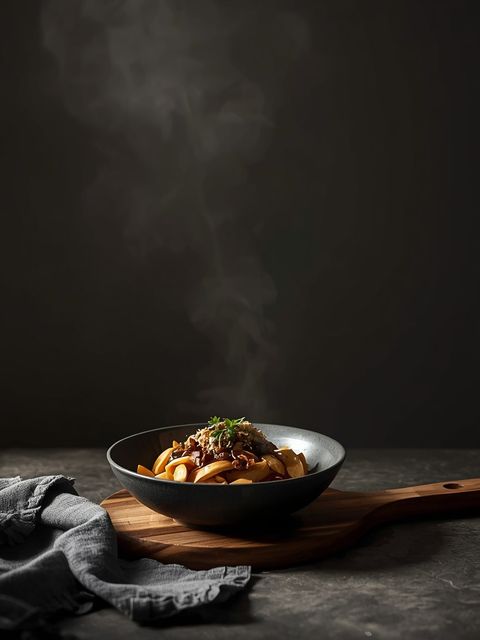
Turmeric is used in Indian and Indian cuisine, among other dishes. It is a mixture of curry. It should be added to give a yellowish-orange color to dishes, pasta and rice.
Tags