
1 / 1
1 zdjęcie
373
Kann das koffeinhaltige Getränk noch als Kaffee betrachtet werden? Auswirkungen auf den Dickdarm und das Verlangen nach Stuhlgang
Koffein
Getränk
Koffeinhaltiges Getränk
Julia Wójcik
Autor
2026-03-16
Datum
2 Min. Lesezeit
article.read_time
2
Kapitel
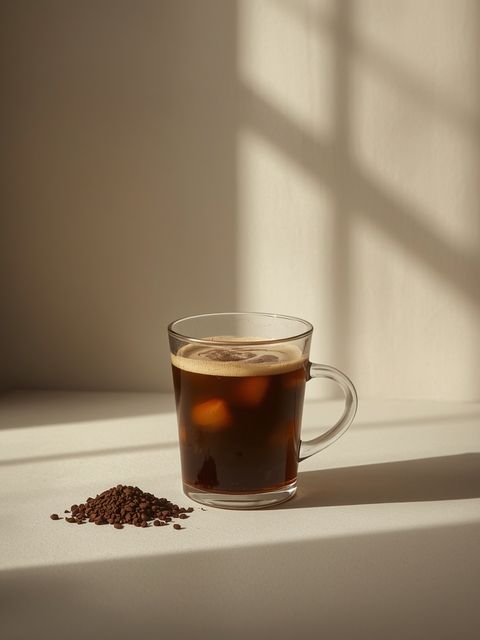
Mehrere Wissenschaftler haben versucht, diese Frage zu beantworten. Im Jahr 1990 wurde eine Studie durchgeführt, um die Bewegungen in dem terminalen Teil des Dickdarms nach dem Verzehr eines koffeinhaltigen Getränks zu registrieren. Es kann kein reiner Zufall sein, dass mehr als die Hälfte der Teilnehmer einer umfragebasierten Studie einen spürbaren Effekt auf die gesteigerte Notwendigkeit der Darmentleerung nach dem Verzehr des Getränks gemeldet hat.
Coffee invigorates the large intestine
In the previously mentioned study, the pressure in the large intestine was measured after consuming unprocessed coffee, decaffeinated coffee, and warm water. The participants refrained from eating any food for a period of 12 hours before the intervention in order to avoid the influence of the meal on the digestive system.
How to achieve this effect?
Given that the impact of enhanced bowel activity is noticeable within a few minutes of drinking coffee, it can be inferred that this is not a direct influence on the wall causing this reaction. It is believed that this is caused by irritation of the stomach and small intestine receptors, resulting in increased secretion of certain hormones, such as gastrin, which enhances the motor function of the large intestine. It is estimated that around 30% of coffee enthusiasts experience an increased urge to use the toilet. The cause of this state is still unknown. Even if you notice a similar trend in yourself, it is possible that it will soon subside with regular consumption of the beverage. The body becomes resistant to high doses of certain substances - the same applies to coffee. The likelihood of requiring a morning toilet visit significantly increases if the drink is served at breakfast. The presence of food also stimulates our digestive system. It is worth preparing for such a scenario to avoid being caught off guard.