1 / 1
1 zdjęcie
402
Welche Flüssigkeiten können den Fettabbau behindern? Ein umfassender Leitfaden zu Getränken, die der Gewichtsreduktion schaden
Optimierung Der Körperzusammensetzung
Tägliche Flüssigkeitsaufnahme
Kaloriengehalt Von Mahlzeiten
Fettabbau
Ernährungsgewohnheiten
Körperliche Aktivität
Körperzusammensetzung
Gewichtsmanagement
Insulinresistenz
Oliwia Kaczmarek
Autor
2026-09-24
Datum
4 Min. Lesezeit
article.read_time
5
Kapitel
Die nachhaltige Verringerung von Fettgewebe stellt ein komplexes Unterfangen dar, das nicht nur Disziplin in Bezug auf Ernährung und Training erfordert, sondern auch ein bewusster Umgang mit den täglich konsumierten Getränken. Obwohl die meisten Menschen sich auf die Kalorienzufuhr durch Mahlzeiten und die Intensität des Sports konzentrieren, wird der Einfluss verschiedener Getränke auf den Stoffwechsel, den Blutzuckerspiegel oder sogar das Sättigungsgefühl häufig unterschätzt. Falsche Entscheidungen in diesem Bereich können jedoch nicht nur den Gewichtsverlust verlangsamen, sondern auch zu ernsthaften gesundheitlichen Störungen wie Insulinresistenz oder chronischen Entzündungen führen. In dieser Abhandlung werden wir detailliert erläutern, welche Flüssigkeiten aus der Ernährung gestrichen werden sollten – und warum ihr Konsum die Erreichung der angestrebten Ziele auf lange Sicht erschweren kann.
Drinks prohibited for reduction Sweet drinks
One of the causes of overweight and obesity is excessive consumption of sweet beverages, which are a source of empty calories, which means that they only provide energy without building blocks, regulators or ballasts. Beverages sweetened with sugar (sucrose, glucose, fructose) or glucose-fructose syrup can effectively contribute to the development of tooth decay, impair the control of appetite, but also lead to increased lipogenesis (fat depletion in the adipose tissue).
Drinks prohibited for reduction of juices
Contrary to what you might think, store shelf juices aren't a valuable part of the daily menu for people who lose fat. Of course, 100 percent juices are more beneficial than sugary drinks or energy drinks, which contain a small amount of vitamins and flavonoids, but we can't forget that they primarily provide high doses of sugars like glucose, fructose and sucrose. Unlike fruit, they don't show hunger suppression, so we can easily deliver a programmed amount of calories in liquid form.
Prohibited beverages for reduction energy drinks
Energy drinks are widely available and increasingly consumed by physically active people who need stimulation. Unfortunately, energy drinks also reach young people and even children without realizing the implications. The ingredients of energy drink vary from manufacturer to manufacturer, but these products are most commonly composed of: sucrose, glucose-fructose syrup, flavourings, dyes such as E150 or caramel ammonia, as well as taurine, vitamin B and other vitamins, saturated water, high dosage and caffeine (although these compounds may not be harmful to health).
Alcohol-reduced beverages prohibited
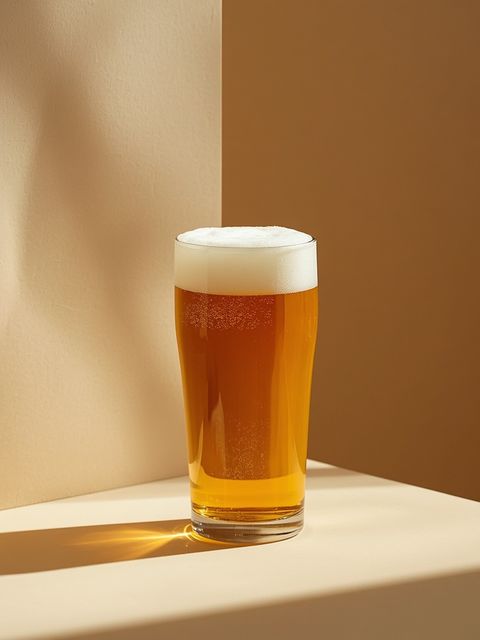
Ethanol, an ingredient in various poisons, contains quite a lot of calories (1 gram of alcohol is 7.1 kcal). However, contrary to appearances, the biggest problem is not its high energy value, because ethanol is a highly thermogenic substance. There is a wide range of alcoholic beverages that, in addition to ethanol, contain sweet drinks and juices that provide high doses of sugars.
Drinks prohibited for the reduction of isotopes
Unfortunately, many people without much thought and too often reach for isotonic beverages. As a short reminder, the use of this type of beverage is only justified in long-term fitness training (lasting at least 120 minutes) e.g. marathon. Their main goal is primarily to replenish the lost fluids and precious electrolytes during exercise, such as sodium, potassium, chlorine and glucose. This type of drink protects us from the disruption of the hydroelectric economy. In other cases, it is only sufficient to use disgenerated water.
Tags