1 / 1
1 zdjęcie
477
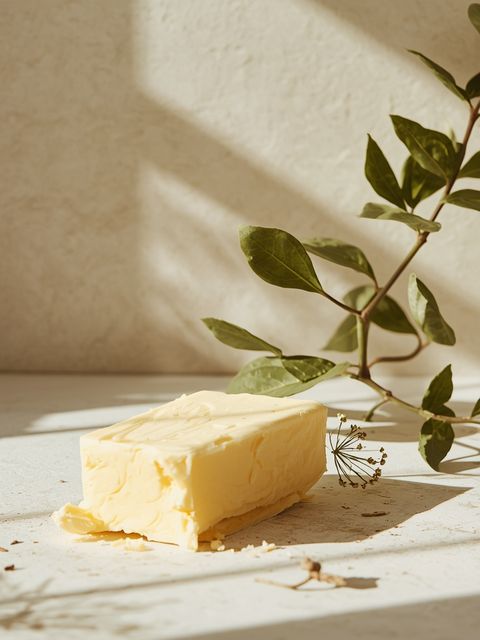
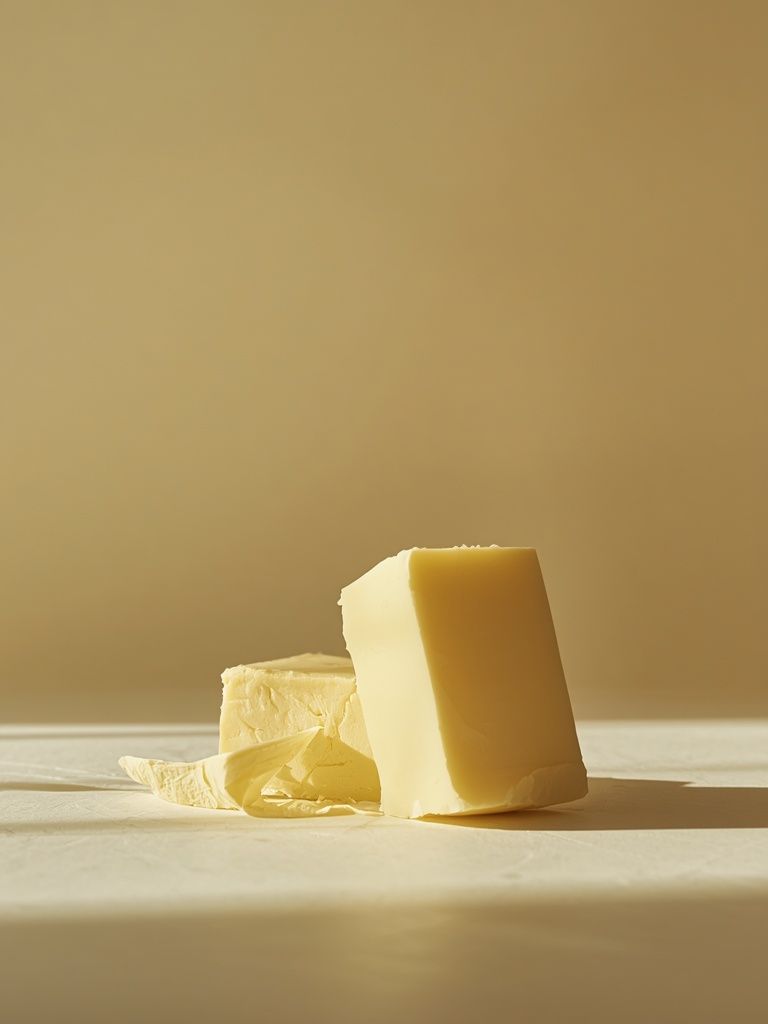
Butter – ein wertvolles Nahrungsmittel oder eine verborgene Gefahr für das Herz-Kreislauf-System?
Milchbasiert
Krankheitsprävention
Kulinarische Traditionen
Ernährungsrichtlinien
Fettsäuren
Traditionell
Margarine
Herz
Butter
David Janitzek
Autor
2026-09-24
Datum
3 Min. Lesezeit
article.read_time
3
Kapitel
Aktuelle ernährungswissenschaftliche Leitlinien raten ausdrücklich dazu, traditionelle Butter durch moderne, ungesättigte Margarinesorten mit erhöhtem Nährwert zu ersetzen. Dieser Standpunkt gründet sich vor allem auf die Sorge um die schädlichen Auswirkungen gesättigter Fettsäuren – die in Butter vorherrschen – auf das Blutfettprofil, was wiederum die Entstehung von Arteriosklerose und anderen Herz-Kreislauf-Erkrankungen begünstigen könnte. Doch stützen wissenschaftliche Belege tatsächlich eine derart kategorische Ablehnung dieses Produkts, das jahrhundertelang ein Grundpfeiler zahlreicher kulinarischer Traditionen war?
Is it butter at all or is it really as scary as they paint it?
In a 2016 study, a review and statistical summary of previous publications on the effects of butter consumption on the risk of cardiovascular disease and diabetes were made. Although the results of this analysis cannot be considered as a definitive answer to the question of whether butter consumption and increased incidence of blood system diseases are related, a surprising, though small, inverse relationship between butter intake and type 2 diabetes has emerged, suggesting a protective effect on the disease. While the findings of this study cannot be seen as the final answer to whether butter should be consumed.
A few words about good milk fatty acids
Not all fatty acids found in milk are bad. They include short- and medium-chain fatty acid (e.g. butter, capron, caprylic), acetic acid, branched-chain fat. Each of them has health benefits. Short- and middle-chain acids due to their simplified structure are absorbed directly from the gut into the bloodstream and then absorbed into the liver, so they do not deposited as source fat.
Butter or margarine?
Although the use of soft margarines is an official recommendation at the moment, the claims about the harmfulness of butter are increasingly being questioned. However, we must not forget about the huge prevalence of vegetable oils. Olive oil or flaxseed oil excellent sources of polyunsaturated fatty acids are products with proven protective effects against cardiovascular disease. They are definitely better suited to both butter and margarine (generally vegetable oil may contain fatty acid configurations with trans or adverse effects). If we are open to new uses to replace normal fatty masses can we continue to use it as a weight-loss supplement?