
1 / 1
1 zdjęcie
437
Anthocyane
Antioxidantien
Antioxidant
Freie Radikale
Laura Schneider
Autor
2026-03-19
Datum
2 Min. Lesezeit
article.read_time
3
Kapitel
Radikalische Substanzen haben die Fähigkeit, Oxidationsprozesse zu verstärken, die allgemein als Oxidationsreaktionen bekannt sind. Diese Reaktionen sind für den menschlichen Körper gefährlich aufgrund ihrer Toxizität und negativen Auswirkungen auf die Körperfunktionen. Um die Anzahl der freien Radikale zu reduzieren oder sie vollständig aus unserem Körper zu entfernen, müssen antioxidative Verbindungen bereitgestellt werden. Anthocyanine sind eine Form dieser Antioxidantien, über die Sie im folgenden Text mehr erfahren werden.
Wie sieht die genaue Charakterisierung von Anthocyanen aus?
Anthocyane sind eine Gruppe chemischer Verbindungen, die zur Familie der Anthocyanidine gehören. Sie bilden eine einzigartige Gruppe von Flavonoiden, zu der hauptsächlich Cyanidine, Delfinidine und Pelargonidine gehören. Flavonoide stellen Antioxidantien in der menschlichen Organismus dar – Substanzen mit antioxidativen Eigenschaften, die schädlichen Auswirkungen von freien Radikalen vorbeugen.
Anthocyane und ihre Eigenschaften
Anthocyane, wie bereits erwähnt, haben hauptsächlich eine entgiftende Funktion durch effektive Entfernung von oxidierenden Verbindungen (Oxidationsmitteln).. Ihre immunologische Aktivität ist hunderte Male stärker als die von Vitamin C und E.. Die erwähnte Cyanidin reduziert und zerstört reaktive Formen von Sauerstoff, wie Hydroxyl-Radikale oder Wasserstoffperoxid.. Sie hat eine sehr starke therapeutische Wirkung bei der Behandlung von Diabetes und Fettleibigkeit und schützt Blutgefäße sehr gut oder verhindert die Entwicklung von Entzündungen.. Es ist auch erwähnenswert, dass Cyanidine starke antikarzinogene Eigenschaften aufweist.. Anthocyane zeigen auch andere Eigenschaften.. Ihre bekannteste Funktion ist, dass sie für die Farbe vieler Früchte und Gemüse verantwortlich sind.. Das Vorhandensein von Anthocyanen im Zellsaft von Pflanzen bestimmt die Farbe der meisten Arten, die wir täglich in den Geschäften sehen.. Diese Eigenschaft wurde auch in der Lebensmittelindustrie genutzt, da Anthocyane häufig als färbende Substanzen in Produkten verwendet werden, Beispiele sind Marmeladen, Joghurts, Eiscremes, Süßigkeiten oder Vitamine in Form von Brausetabletten.
Auftreten und Ergebnisse von Anthocyan-Mangel
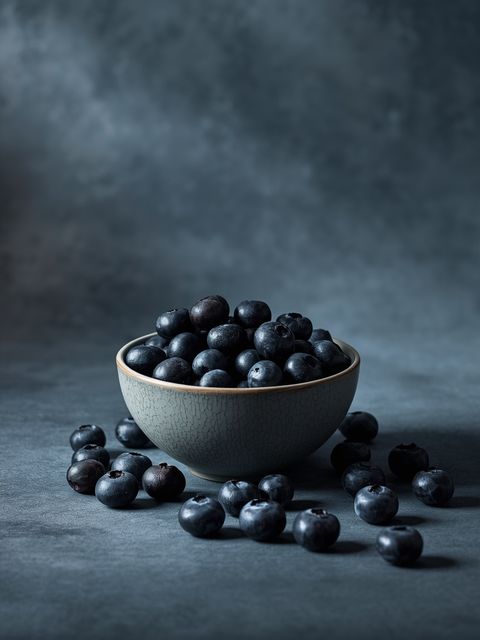
Anthocyane treten in natürlichen Umgebungen auf, beispielsweise im Zellsaft von Pflanzen. Hierbei handelt es sich hauptsächlich um Pflanzen, deren Früchte dunkle Farben aufweisen. Anthocyane finden sich vor allem in Aronia, Auberginen, schwarzen Bohnen und Johannisbeeren, Brombeeren, Schlehen, Himbeeren, Rotkohl oder Trauben. Die Blätter und Schalen der letzten beiden Arten werden am häufigsten zur Gewinnung von Anthocyanen für die Ernährung verwendet.