White Cheese: Nutrition Facts and Recipes for Your Diet
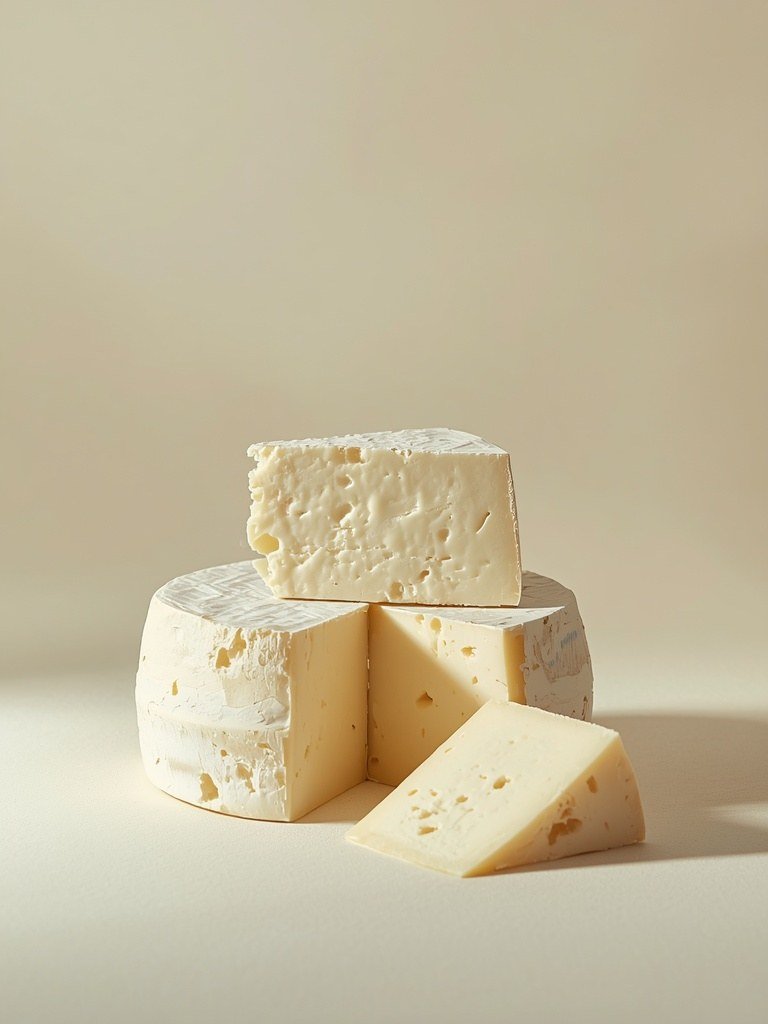
Table of Contents 6
Medical & Editorial Disclaimer (§3 Terms): This article is for informational and educational purposes only, does not constitute medical advice, diagnosis, or treatment, and is used at your own risk. Consult a qualified physician for medical conditions.
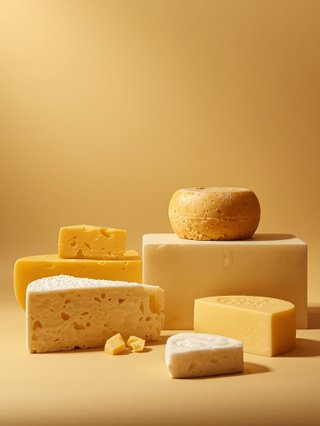
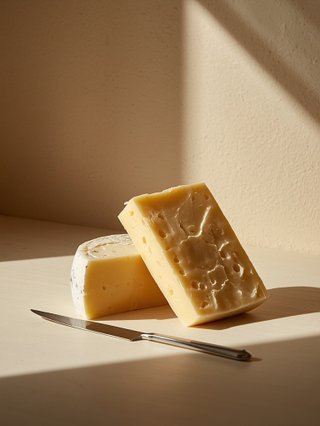
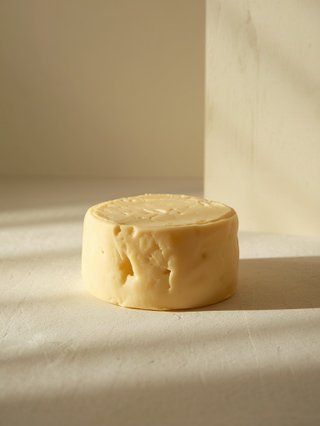
Physiologically, the production of this cheese involves a precise fermentation process where lactic acid bacteria lower the acidity of milk, causing proteins to coagulate into a nutrient-dense curd. A key insight is its synergistic relationship with cereal-based foods; the cheese is exceptionally rich in lysine, an essential amino acid that complements the protein profile of grains. Furthermore, it contains a diverse array of fatty acids and vital minerals like calcium and phosphorus, which are more effectively utilized by the body when paired with adequate vitamin intake.
For daily health management, white cheese serves as a versatile ingredient suitable for everything from savory sandwich spreads and dumpling fillings to wholesome desserts. To maximize its nutritional impact, it is beneficial to pair it with whole-grain products, which enhances the biological value of the meal and supports cognitive focus. By integrating various types of this fresh cheese into breakfast or snacks, individuals can enjoy a satisfying, nutrient-rich addition to their meals that contributes to long-term physiological equilibrium.
Farmer’s cheese (tvarog): production process and compositional traits
Nutritional Profile of Cottage Cheese: Composition, Protein Content, and Caloric Value
Cottage cheese as a valuable complement to baked goods – protein-completing synergy with cereal products
Cottage cheese nutritional composition: A comprehensive breakdown of its macro- and micronutrient contributions to a balanced diet
Cottage Cheese: Opting for Non-Fat or Medium-Fat Varieties?
Cottage Cheese in Culinary Practice: Nutritious and Versatile Recipe Ideas
Here are balanced, nutritious culinary proposals featuring low-fat and semi-fat curd cheese (quark):
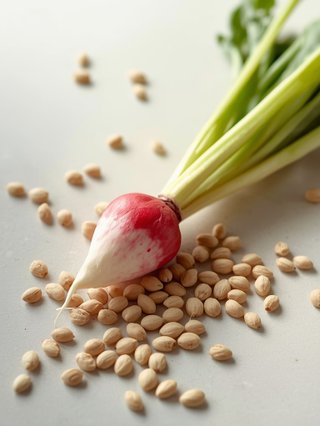
1. Savory Curd Cheese Spread with Radishes and Chives
A classic, high-protein sandwich spread rich in complete protein and vitamin C.
- Ingredients: 200 g semi-fat curd cheese, 3 tbsp plain yogurt, 1 bunch radishes (grated), 1 bunch fresh chives (finely chopped), pinch of sea salt, and freshly ground black pepper.
- Preparation: Mash the curd cheese with yogurt using a fork until smooth. Fold in grated radishes and chives, then season with salt and pepper. Serve over whole-grain rye bread.
2. High-Protein Curd Cheese Cinnamon Pancakes
A nourishing warm breakfast without refined sugars.
- Ingredients: 200 g lean curd cheese, 2 eggs, 40 g oat flour, 1/2 tsp baking powder, 1/2 tsp ground cinnamon, optionally 1 tbsp erythritol.
- Preparation: Blend all ingredients until smooth. Cook small pancakes on a lightly greased non-stick pan over low heat covered for 2–3 minutes per side until golden. Serve with fresh berries.
3. Chilled Raspberry Quark Cream
A light, casein-rich dessert ideal for post-workout recovery or a healthy afternoon snack.
- Ingredients: 150 g lean curd cheese, 100 g fresh or frozen raspberries, 50 g plain yogurt, 1 tsp chia seeds.
- Preparation: Puree raspberries into a coulis. Blend curd cheese with yogurt into a silky cream. Layer alternately in a glass with the raspberry puree and chia seeds. Chill before serving.
Want to apply these guidelines in your daily diet?
Our smart diet generator creates a tailored meal plan in 3 minutes based on the recommendations in this article.
Tags

mgr Emilia Szymańska
• 26.11.2026Diets Premium Expert
Diets Premium team expert. Specializes in nutrition plans, strength sports, and training plans.