Correlative characteristics of confectionery products


1 photo
761
Smart Voice
AI
0:00
0:00
Listen to the article content live
Table of Contents 4
Medical & Editorial Disclaimer (§3 Terms): This article is for informational and educational purposes only, does not constitute medical advice, diagnosis, or treatment, and is used at your own risk. Consult a qualified physician for medical conditions.
Clinical E-Books & Diet Plans:
Explore E-Books & Plans →
Key Takeaways
The dependency on confectionery products is a complex issue rooted in our biological development and neurochemical reward systems. Understanding why we struggle to quit sweets is essential for anyone aiming to improve their relationship with food and achieve better behavioral health. By recognizing that these cravings are not merely a failure of willpower, we can approach our dietary habits with greater empathy and strategic insight.
Neurobiologically, the consumption of refined sugars triggers significant dopamine surges in the brain, mirroring patterns seen in addictive behaviors. This is compounded by the physiological rollercoaster of rapid blood glucose spikes followed by sharp insulin responses, which leave the body craving more energy shortly after consumption. This cycle creates a persistent state of visceral distress that the brain interprets as a need for immediate fuel, reinforcing the habit of reaching for sugary snacks.
To overcome these cravings, it is vital to focus on metabolic stabilization through balanced nutrition. Prioritizing meals rich in lean protein, healthy fats, and dietary fiber helps flatten glycemic curves and provides sustained energy. Practical steps include removing processed sweets from your immediate environment, opting for whole food alternatives like berries or nuts, and developing awareness of emotional triggers such as fatigue or boredom, which often drive impulsive eating behaviors.
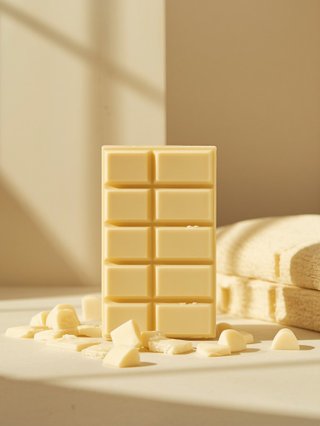
Chocolate cookies, sweet caramel, delicate bean cream with vanilla and fruits, strawberry cake, sweet waffles with nut filling... Milk or white chocolate, filled with long toffee cream... Fluffy whipped cream covered in chocolate glaze, biscuit with jelly, jelly in sugar, jellies in sour sprinkle, colorful gummies, licorice... The list of preferred sweets can be endless... Is that truly the case? Why can't we quit eating sweets?
01 / 04
The Psychobiological Foundations of Sweet Taste Dependency: From Fetal Development to Adulthood
An examination of the innate predispositions toward sweet taste preferences, the origins of which are rooted in the prenatal period. As early as the embryonic and fetal stages, the human organism exhibits selective responses to gustatory stimuli transmitted via amniotic fluid—its chemical composition directly reflects the maternal diet. Empirical observations confirm that the fetus performs swallowing movements with greater frequency in response to sweet-tasting amniotic fluid, whereas bitter or sour flavors elicit avoidance behaviors. Parallel patterns persist in neonates: sweet substances (breast milk, infant formula, glucose solutions) trigger relaxation responses—facially expressed as muscle loosening and general calmness—while aversive tastes (sour, bitter) provoke grimacing, lip compression, and crying. An evolutionarily grounded hypothesis posits that the preference for sweetness stems from its association with high-calorie, safe energy sources (e.g., ripe fruits), whereas bitterness often signaled plant toxicity. These mechanisms, deeply embedded in adaptive survival strategies, continue to shape dietary habits throughout life, potentially explaining the propensity for excessive sugar consumption in contemporary societies.
02 / 04
Neurobiology of Sugar Addiction: Dopamine, Reward Pathways, and Tolerance
The impact of refined sugars on the human central nervous system shares striking neurochemical parallels with psychoactive substances. Ingesting hyperpalatable sweets stimulates robust dopamine surges within the nucleus accumbens, the brain's core reward hub. Evolutionarily wired to prioritize caloric density, the brain reinforces compulsive consumption, particularly under emotional stress or exhaustion. With chronic overstimulation, dopamine D2 receptors undergo downregulation, precipitating neurological tolerance: the individual necessitates escalating quantities and frequency of sweet consumption to elicit equivalent feelings of satisfaction.
03 / 04
The Glucose-Insulin Rollercoaster: How Glycemic Spikes Fuel Compulsive Cravings
Craving for confectionery is not merely a behavioral deficit but is fundamentally anchored in endocrine carbohydrate dynamics. Sweets possess high glycemic indices, driving rapid postprandial blood glucose spikes. In response, pancreatic beta-cells secrete high surges of insulin to clear circulating glucose into peripheral tissues. This overshoot precipitates reactive hypoglycemia within 60 to 90 minutes. Perceiving acute fuel deprivation, the brain triggers visceral distress signals—manifested as tremor, irritability, and irresistible cravings for immediate simple carbs.
04 / 04
Evidence-Based Psychodietetic Strategies to Overcome Sugar Cravings
Sustainably escaping sugar dependence necessitates uniting metabolic stabilization with behavioral habit restructuring. The cornerstone lies in anchoring every meal with lean protein, healthy fats, and dietary fiber to flatten glycemic curves and stave off ravenous hunger. Eliminating processed sweets from the immediate living environment and substituting whole berries or cinnamon-spiced nuts prevents impulsive relapses. Equally vital is discerning psychological triggers—such as boredom, fatigue, or interpersonal stress—and developing non-food coping mechanisms, including brisk walking, diaphragmatic breathing, and restful mindfulness.
Meal Plan
Want to apply these guidelines in your daily diet?
Our smart diet generator creates a tailored meal plan in 3 minutes based on the recommendations in this article.
Tags

Alicja Kowalska
• 25.11.2026Diets Premium Expert
Diets Premium team expert. Specializes in nutrition plans, strength sports, and training plans.