Weight loss by eliminating meat products from the daily diet menu


Table of Contents 3
Medical & Editorial Disclaimer (§3 Terms): This article is for informational and educational purposes only, does not constitute medical advice, diagnosis, or treatment, and is used at your own risk. Consult a qualified physician for medical conditions.
At a physiological level, transitioning to a meat-free regimen significantly alters macronutrient distribution and digestive dynamics. While plant-based protein sources such as legumes, tofu, tempeh, and seitan offer valuable amino acids, they also contain antinutritional compounds like phytates and tannins that may temporarily impair mineral absorption. Furthermore, excluding meat often leads to a higher proportion of dietary carbohydrates, which can create metabolic challenges if refined grains dominate the menu. Examining low-fat, high-fiber plant-centric models such as the Ornish diet also highlights that adopting vegetarian habits solely for weight control without proper nutritional substitution can contribute to deficiencies in essential vitamins and minerals.
Achieving sustainable weight management without meat requires deliberate meal planning focused on whole, nutrient-dense ingredients rather than extreme dietary restrictions. Emphasizing fibrous vegetables, antioxidant-rich produce, high-quality plant proteins, and cardioprotective fats supports satiety and overall metabolic health. Pairing this nutritional approach with consistent physical activity, particularly resistance training, helps preserve lean tissue and supports the basal metabolic rate during weight reduction. Finally, mindful monitoring and targeted supplementation of critical micronutrients ensure that the body remains well-nourished throughout the dietary transition.
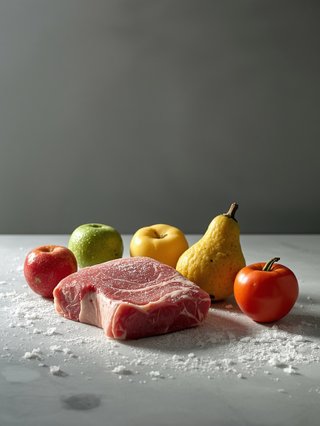
Does the elimination of meat-based products from one’s dietary regimen represent an effective approach to achieving reductions in body weight? Indeed, such a nutritional framework relies primarily on vegetables and fruits, whose energy density tends to be lower compared to meat-containing dishes. While this premise may appear valid upon initial examination, the reality proves to be far more nuanced and necessitates a comprehensive understanding of physiological processes as well as nutritional composition factors.
Plant-based eating does not automatically guarantee a caloric deficit. Highly processed meat alternatives, sugary snacks, and calorie-dense vegetable oils or nuts can easily disrupt energy balance. Nevertheless, a well-structured meat-free diet offers numerous metabolic and health benefits, provided it is managed carefully with a solid understanding of micronutrient and macronutrient requirements.
Myth and Reality: Are Vegetarians Always Lean?
Individuals who adopt a vegetarian diet primarily for weight loss frequently commit significant nutritional errors. A meat-free lifestyle requires substantial knowledge to properly substitute the nutrients previously provided by animal products. Neglecting this crucial aspect typically leads to profound deficiencies in essential vitamins and minerals.
Concepts such as Dr. Ornish's diet rely on low-fat plant-based regimens that, while rich in dietary fiber, present certain metabolic challenges. Eliminating meat heightens the risk of vitamin B12 deficiency, which is critical for neurological function and red blood cell formation. Furthermore, the absorption of bioavailable iron and calcium can be compromised. Excessive restriction of dietary fats may also impair the uptake of fat-soluble vitamins—such as A, D, E, and K—and potentially disrupt delicate hormonal balances.
Macronutrients and Metabolic Processes in Meat-Free Diets
A critical component of successful weight management is the regulation of macronutrients, specifically protein intake and carbohydrate quality. Plant-based protein sources—such as legumes, tofu, tempeh, and seitan—are valuable, yet they frequently contain antinutritional compounds like phytates and tannins that can temporarily impair mineral absorption.
Moreover, eliminating meat often results in a higher proportion of dietary carbohydrates. If these primarily consist of refined grains, it may eventually lead to glycemic variability, hyperinsulinemia, and an increased risk of insulin resistance. To counteract this, focusing on complex, fiber-dense carbohydrates while maintaining an adequate protein intake is essential for preserving lean muscle mass during weight loss.
Practical Recommendations for Healthy and Sustainable Weight Loss
Sustainable weight loss without meat requires meticulous meal planning and an acute awareness of energy and nutrient density. Rather than relying on radical caloric restrictions, the focus should remain on a whole-food, plant-centric dietary pattern rich in antioxidants, dietary fiber, and cardioprotective fats.
Consistent physical activity, particularly resistance training, is vital for preserving lean tissue and supporting basal metabolic rate. Additionally, targeted supplementation for specific vulnerable nutrients—such as vitamin B12, vitamin D3, and long-chain omega-3 fatty acids (EPA/DHA)—should be considered in consultation with a qualified medical professional or clinical nutritionist to safeguard long-term vitality and metabolic health.
Want to apply these guidelines in your daily diet?
Our smart diet generator creates a tailored meal plan in 3 minutes based on the recommendations in this article.

Oliwia Kaczmarek
• 25.11.2026Diets Premium Expert
Diets Premium team expert. Specializes in nutrition plans, strength sports, and training plans.