Stinging nettle (Urtica dioica) – medicinal properties, preparation of juice and tea, and contraindications

Table of Contents 5
Medical & Editorial Disclaimer (§3 Terms): This article is for informational and educational purposes only, does not constitute medical advice, diagnosis, or treatment, and is used at your own risk. Consult a qualified physician for medical conditions.
From a physiological perspective, stinging nettle leaves deliver bioavailable iron, calcium, silicon, potassium, and magnesium alongside vitamins C, K, and the B-complex. These active constituents encourage mild diuresis, helping the kidneys flush excess fluid and uric acid, which may support comfort in individuals managing joint stiffness or gout. Furthermore, freshly pressed juice extracted from young spring tops acts as a restorative tonic that helps counteract fatigue linked to low iron levels and promotes skin clarity, whereas steeped leaf infusions provide gentle hydration and sustained micronutrient nourishment.
To apply these insights safely, wild harvesting should be restricted to young plants growing in unpolluted meadows far from traffic and industrial zones, while commercial dried herbs should contain pure nettle without synthetic fillers. Fresh leaves can be thoroughly washed and processed through a slow masticating juicer to be taken diluted in water, or steeped covered in hot water to prepare a daily herbal tea between meals. Because nettle contains vitamin K and active plant compounds, individuals with severe cardiac or renal edema, hormone-sensitive reproductive conditions, or those taking anticoagulant medications should consult a physician before use.
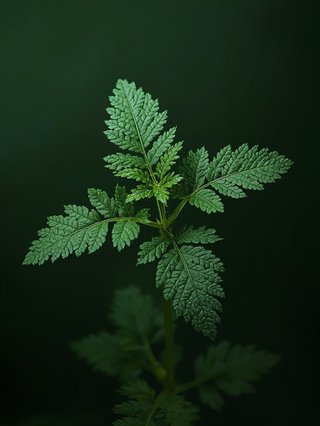
Stinging nettle is a cornerstone of botanical medicine, distinguished by its remarkable density of vitamins, trace minerals, and bioactive flavonoids. This guide reviews its diuretic, anti-inflammatory, and hemogenic properties, recipes for fresh spring juice and restorative teas, and essential clinical contraindications.
Therapeutic and health-promoting properties of stinging nettle
Stinging nettle leaves provide abundant bioavailable iron, calcium, silicon, potassium, and magnesium alongside vitamins C, K, and B-complex. Its active constituents promote mild diuresis, flushing excess fluid and uric acid through the kidneys, which supports arthritis and gout management while improving metabolic vitality.
Fresh stinging nettle juice: Therapeutic value and dosage
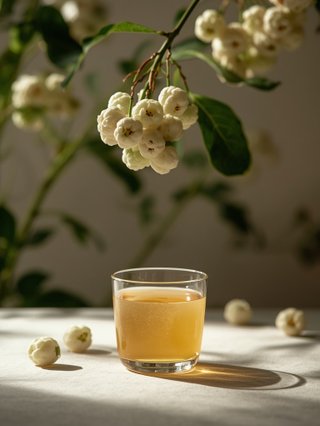
Freshly pressed stinging nettle juice, harvested from young spring tops, represents a potent phytotherapeutic tonic. Consuming 15–30 ml daily diluted in water assists in counteracting iron-deficiency fatigue and improving skin clarity. Leaves must be thoroughly washed and processed through a slow masticating juicer.
Stinging nettle leaf tea: Preparation methods and benefits
Nettle tea is prepared by steeping 1–2 teaspoons of dried leaves (or a handful of fresh leaves) in boiling water for 10 to 15 minutes covered. Drinking 2 to 3 cups daily between meals provides gentle hydration and sustained micronutrient support.
Availability, wild harvesting, and purchasing quality herbs
Nettle is a common plant in Poland, growing in meadows and along roadsides. Because of this, its price is quite low. We can buy nettle leaves for a price of 3 to 8 PLN per 100 g. However, for practical purposes, let's ensure the source of the raw material. It is best if we have the opportunity to grow nettle ourselves in our own garden. If we do not have this possibility, it is worth looking for nettle leaves with an appropriate organic certificate. This way, we are certain of the highest quality of the raw material and safety for health. We recommend high-quality nettle leaves with a BIO certificate. It is also worth looking at the assortment in health food stores. There we can find various nettle products from a certain and verified source. In addition to leaves, we also have nettle extract in capsule form. This allows us to easily deliver highly concentrated active substances contained in nettle to the body. When choosing capsules, it is worth paying attention to their ingredients. Let's choose products that contain 100% nettle extract.
Safety contraindications and precautions for nettle remedies
Contraindications include severe renal or cardiac edema requiring medical fluid restriction, polycystic ovary syndrome or female reproductive cancers sensitive to phytohormones, and concurrent anticoagulant medications due to vitamin K content. Consult a physician when managing chronic diseases.
Want to apply these guidelines in your daily diet?
Our smart diet generator creates a tailored meal plan in 3 minutes based on the recommendations in this article.

Olivia Davis
• 25.11.2026Diets Premium Expert
Diets Premium team expert. Specializes in nutrition plans, strength sports, and training plans.