Mold on fruits – the threat of mycotoxins and effective storage methods in the home pantry
Table of Contents 4
Medical & Editorial Disclaimer (§3 Terms): This article is for informational and educational purposes only, does not constitute medical advice, diagnosis, or treatment, and is used at your own risk. Consult a qualified physician for medical conditions.
Because fruits contain abundant moisture and readily accessible simple carbohydrates, they serve as an ideal substrate for filamentous fungi such as Penicillium, Aspergillus, and Botrytis. A primary toxicological concern in pome and stone fruits is the synthesis of patulin, a potent mycotoxin capable of exerting cytotoxic effects and compromising the integrity of the gastrointestinal mucosa. The permeable cellular structure of soft produce allows invisible fungal hyphae and dissolved toxins to diffuse deeply throughout the pulp well before surface decay becomes apparent, while microscopic spores inside berry containers disperse rapidly across adjacent fruits.
Maintaining kitchen food safety requires discarding mold-affected soft fruits entirely rather than attempting to salvage unblemished portions. To preserve freshness and curb fungal proliferation, climacteric varieties like apples, pears, and bananas should be stored separately due to their substantial ethylene gas emissions. Delicate berries stay fresh longer when kept in ventilated refrigerator containers lined with breathable moisture-absorbing mats, and their shelf life can be further supported by either washing them exclusively right before consumption or applying a brief pre-rinse in a mildly diluted vinegar bath followed by thorough drying.
The appearance of mold fuzz on fresh fruit is a widespread problem in household kitchens. Many consumers make the dangerous mistake of simply cutting away the discolored section of an apple or citrus fruit and consuming the remainder. In this guide, we elucidate why fruit-borne molds generate toxic patulin, how invisible fungal hyphae permeate porous plant tissues, and how to properly store diverse fruit categories to maintain optimal freshness and food safety.
Fruit mold and the hazards of patulin
Fruits, owing to their high moisture content and readily available simple carbohydrates, offer an ideal substrate for filamentous fungi of the genera Penicillium, Aspergillus, and Botrytis (gray mold). A prominent health hazard associated with pome (apples, pears) and stone fruits is the synthesis of patulin – a potent and hazardous mycotoxin. Patulin possesses established cytotoxic activity, disrupts gastrointestinal mucosa integrity, precipitates intestinal ulcerations, and exerts adverse nephrotoxic and hepatotoxic effects. Crucially, mycotoxins remain thermally stable and are not neutralized by conventional home cooking, baking, or juice pasteurization.
Why slicing away moldy portions is a critical mistake
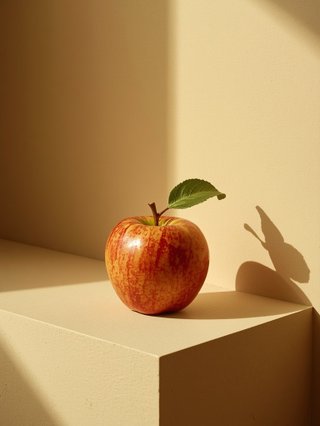
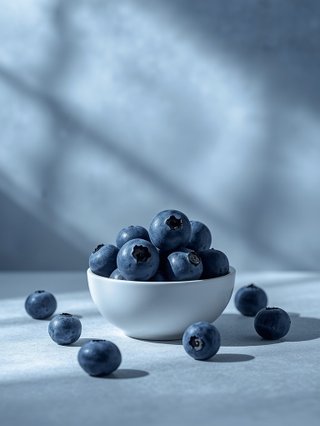
The common habit of carving out a moldy spot from an apple or tossing one fuzzy strawberry while consuming the rest of the punnet is medically contraindicated. The cellular structure of soft fruits is exceptionally moist and permeable, permitting fungal hyphae and dissolved toxins to penetrate deeply throughout the pulp long before visible surface decay manifests. In berry clusters (strawberries, raspberries, blueberries), microscopic spores disperse instantaneously to neighboring fruits. Strict food safety protocol mandates that soft fruits displaying any localized mold patch must be entirely discarded.
Optimal conditions for home fruit storage
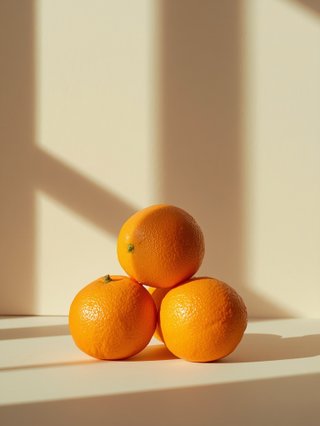
Effective fruit preservation depends upon botanical physiology and thermal sensitivity. Climacteric fruits (apples, bananas, tomatoes, pears) synthesize substantial amounts of ethylene gas, which accelerates ripening and rot in adjacent produce; they should be stored in separate fruit bowls. Berry varieties must be placed in the refrigerator in ventilated containers and washed only immediately prior to consumption, as surface moisture rapidly accelerates mold proliferation. Conversely, tropical and subtropical fruits (citrus, bananas, mangoes) suffer chilling injury in cold temperatures and thrive best at moderate room temperature away from direct sunlight.
Practical strategies to extend fruit freshness
To mitigate food waste and prevent mold outbreaks, practical kitchen routines yield significant results. A proven method for berries is a gentle pre-rinse in a diluted vinegar bath (3 parts water to 1 part white or apple cider vinegar), followed by thorough drying on absorbent paper towels; the mild acetic acid neutralizes fungal spores and extends shelf life by several days. Lining refrigerator crisper drawers with breathable moisture-absorbing mats improves airflow and curtails humidity condensation. Finally, conduct daily visual checks to promptly isolate any bruised or softening items before mold colonies can colonize neighboring fruit.
Want to apply these guidelines in your daily diet?
Our smart diet generator creates a tailored meal plan in 3 minutes based on the recommendations in this article.
Tags

Katarzyna Mazur
• 25.11.2026Diets Premium Expert
Diets Premium team expert. Specializes in nutrition plans, strength sports, and training plans.