The Impact of American Blueberries on Health and Disease Prevention
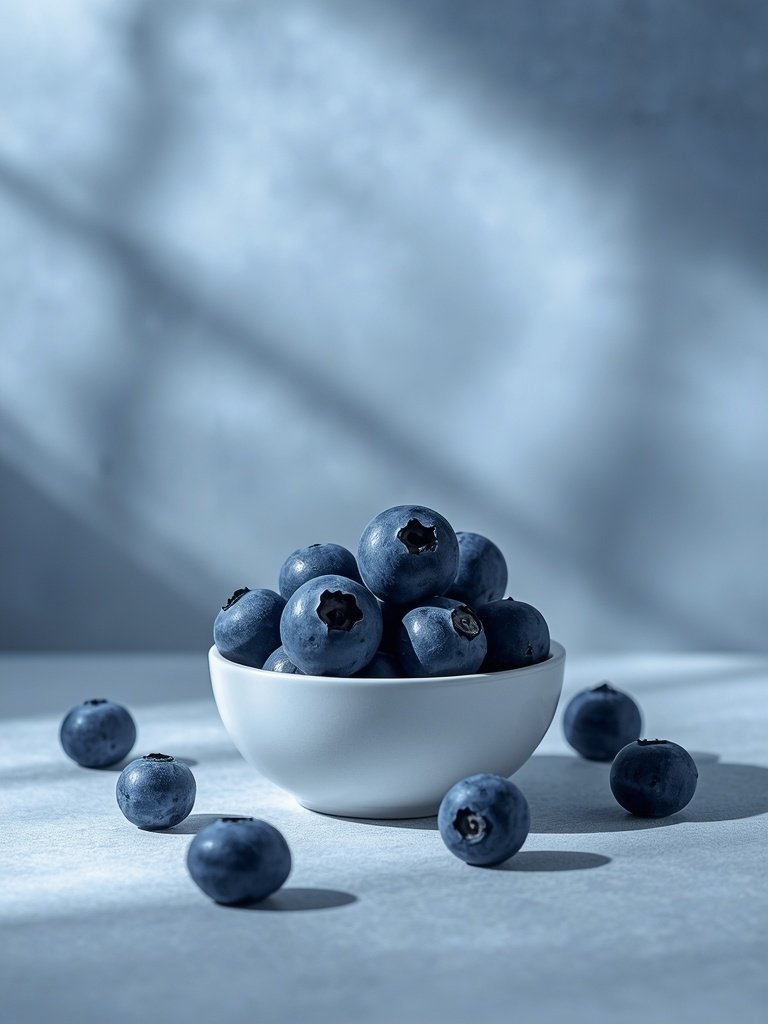
Table of Contents 2
Medical & Editorial Disclaimer (§3 Terms): This article is for informational and educational purposes only, does not constitute medical advice, diagnosis, or treatment, and is used at your own risk. Consult a qualified physician for medical conditions.
From a physiological perspective, the primary value of the highbush blueberry lies in its remarkable antioxidant capacity, which compares favorably against many other commonly consumed berry fruits. The bioactive compounds concentrated within the skin and flesh help support cellular redox homeostasis by counteracting the excessive accumulation of reactive oxygen species. Through these antioxidant mechanisms, regular dietary intake may help mitigate oxidative stress and contribute to the foundational support of metabolic and cellular resilience.
In everyday meal planning, American blueberries offer an appealing combination of low energy density and a balanced sweet-tart flavor profile. They serve as an effortless, refreshing snack on their own or as a nutrient-rich addition to breakfast bowls, fermented dairy dishes, and vibrant salads. Making anthocyanin-rich fruits a consistent staple in daily nutrition provides a practical, enjoyable strategy for enhancing overall dietary quality.
Highbush blueberry: The nutrient-dense North American antioxidant powerhouse
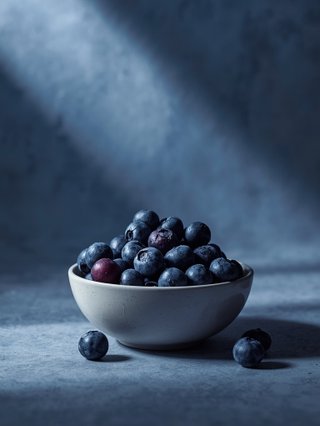
The highbush blueberry (Vaccinium corymbosum), commonly referred to as the American blueberry, represents a North American native plant species whose fruit is distinguished by its profound indigo-blue pigmentation, a balanced sweet-tart flavor profile, and an exceptionally dense nutritional composition. A single serving of these berries—approximately 140 grams, equivalent to one standard measuring cup—provides the human body with only 84 kilocalories, rendering them an optimal dietary component for individuals adhering to calorie-restricted meal plans aimed at weight management. Yet beyond their low-energy density, these unassuming fruits serve as a substantial reservoir of essential nutrients, including vitamins C and K, the mineral magnesium, and dietary fiber characterized by diverse structural properties.
Of particular scientific and nutritional interest are the anthocyanins contained within—polyphenolic phytopigments primarily derived from delphinidin, petunidin, and malvidin compounds—which impart the fruit’s signature hue and exhibit potent antioxidant capacities. These bioactive molecules play a pivotal role in scavenging reactive oxygen species generated during oxidative metabolic processes, thereby mitigating cellular damage induced by oxidative stress and reducing susceptibility to various chronic disease states. In addition to anthocyanins, the American blueberry delivers a spectrum of other beneficial constituents: flavonoids with analogous mechanistic properties, water-soluble pectin fibers, and an array of organic acids—most notably chlorogenic acid, which demonstrates documented antimicrobial activity—as well as tannins classified among the polyphenol group, renowned for their broad-spectrum health-promoting effects.
Preventive health benefits of highbush blueberry (*Vaccinium corymbosum*) in public health and preventive medicine: A comprehensive analysis
Want to apply these guidelines in your daily diet?
Our smart diet generator creates a tailored meal plan in 3 minutes based on the recommendations in this article.

mgr Felix Weber
• 25.11.2026Diets Premium Expert
Diets Premium team expert. Specializes in nutrition plans, strength sports, and training plans.