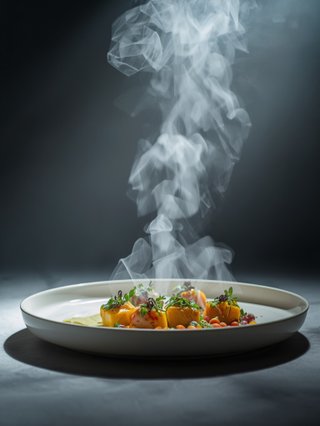
Is this authentic Norwegian salmon, or Atlantic? A compendium of knowledge on preparing this noble fish in the home kitchen
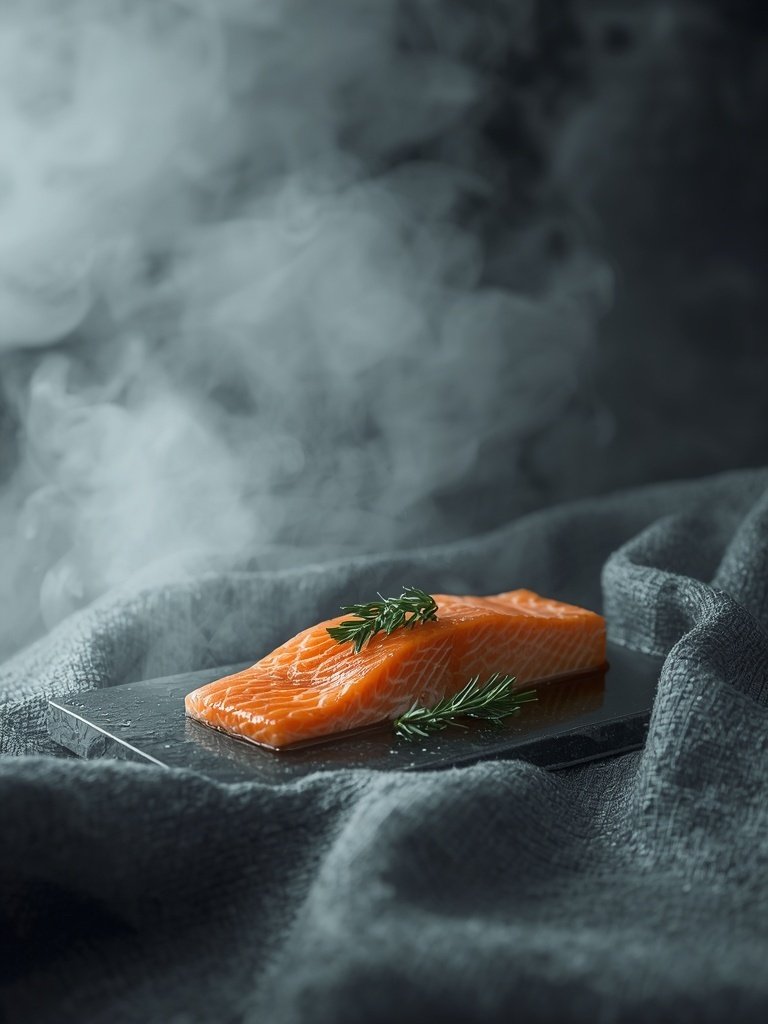
Table of Contents 4
Medical & Editorial Disclaimer (§3 Terms): This article is for informational and educational purposes only, does not constitute medical advice, diagnosis, or treatment, and is used at your own risk. Consult a qualified physician for medical conditions.
While both wild and aquaculture salmon share an identical species taxonomy, their developmental ecologies differ significantly, directly altering tissue composition and lipid profiles. Wild specimens possess lean, firm muscle fibers, whereas farmed counterparts develop distinct fat distributions. Nevertheless, salmon remains a premier dietary source of essential long-chain omega fats and high-quality proteins. Preserving these fragile nutrients requires an understanding of how different thermal environments affect delicate muscle structures and vitamin retention.
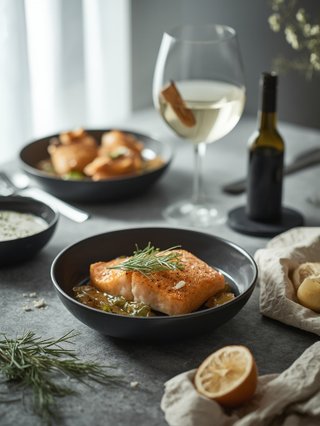
To safeguard fragile polyunsaturated chains and delicate protein fibrils, gentle culinary techniques should always be prioritized over aggressive high-heat frying. Recommended gastronomic protocols include low-temperature convection roasting or gentle steam poaching with fresh herbs and quality oils to prevent excessive protein denaturation. Adopting these mindful cooking practices ensures an optimal balance of texture and flavor, supporting healthy daily nutrition and elevating home culinary experiences.
Regrettably, the trajectory of wild salmon populations in Poland presents an alarmingly bleak picture. Pervasive anthropogenic pressures—including river channelization, dam construction, and escalating contamination of freshwater ecosystems—culminated in the complete eradication of the last remaining natural stocks of this ecologically vital species during the 1980s.[1] Only through the sustained implementation of reintroduction initiatives and habitat conservation measures has a modest, albeit incomplete, recovery of populations been achieved in recent decades.
Biology and taxonomy: wild Atlantic salmon versus aquaculture salmon
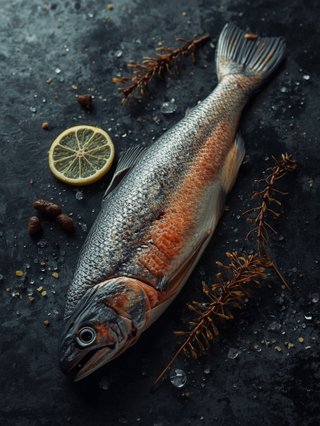
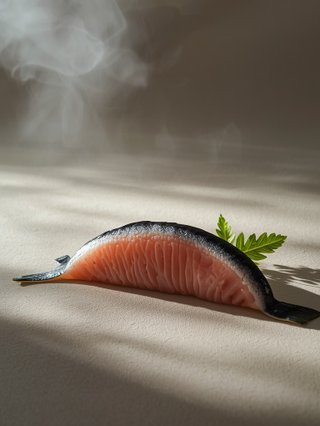
Both Norwegian and wild Atlantic salmon share identical species taxonomy: Salmo salar. The distinguishing factor is developmental ecology: wild Atlantic salmon inhabit pelagic ocean environments and undertake strenuous anadromous river migrations.
Conversely, Norwegian commercial salmon is reared within intensive sea-cage aquaculture in protected fjords. This ecological divergence directly alters tissue composition: wild specimens possess lean, firm muscle fibers, whereas farmed fish present pronounced intermuscular adipose marbling.
Omega-3 lipid profile, astaxanthin, and ecotoxicological safety monitoring
Salmon represents a premier dietary source of long-chain omega-3s: eicosapentaenoic acid (EPA) and docosahexaenoic acid (DHA). Because farmed salmon possesses a higher total fat content (13–15% vs 6–8% in wild), a 100 g portion of farmed salmon often delivers a higher absolute gram amount of EPA/DHA, though wild salmon displays a superior omega-3 to omega-6 ratio.
Wild salmon derives its vibrant pigmentation from dietary crustaceans rich in astaxanthin, whereas aquaculture feed incorporates synthetic or algal astaxanthin. Official European Food Safety Authority (EFSA) surveillance demonstrates that heavy metals (mercury) and persistent organochlorine pollutants in Norwegian farmed salmon remain safely below strict statutory thresholds.
Culinary gastronomy: gentle poaching, oven roasting, and precision sous-vide
Preserving fragile polyunsaturated EPA/DHA chains and delicate muscle protein fibrils mandates gentle culinary thermal techniques. High-heat deep frying causes severe lipid oxidation and should be avoided.
Recommended gastronomic protocols include:
- Low-Temperature Convection Roasting (120–140°C): Baked en papillote with fresh dill, lemon zest, and cold-pressed olive oil, mitigating aggressive albumin precipitation.
- Gentle Steam Poaching: 8–10 minutes over aromatic court-bouillon, conserving 100% of minerals and moisture.
- Precision Sous-Vide (50–52°C): Yields an exceptionally unctuous texture while completely eliminating thermo-oxidative damage to fatty acids.
How do you make salmon?
Want to apply these guidelines in your daily diet?
Our smart diet generator creates a tailored meal plan in 3 minutes based on the recommendations in this article.
Tags

Olivia Davis
• 25.11.2026Diets Premium Expert
Diets Premium team expert. Specializes in nutrition plans, strength sports, and training plans.