2 min read
Observe the herring


1 photo
948
Smart Voice
AI
0:00
0:00
Listen to the article content live
Table of Contents 2
Medical & Editorial Disclaimer (§3 Terms): This article is for informational and educational purposes only, does not constitute medical advice, diagnosis, or treatment, and is used at your own risk. Consult a qualified physician for medical conditions.
Clinical E-Books & Diet Plans:
Explore E-Books & Plans →
Key Takeaways
This article explores the nutritional profile and seasonal characteristics of herring, illustrating how harvesting periods influence the texture, fat content, and flavor of this staple marine fish. Understanding these biological variations helps readers make informed culinary and dietary choices that support long-term wellness.
Young herring caught in May prior to their spawning season, traditionally known as Mattias, offer exceptionally tender and delicate flesh. Conversely, summer catches bearing milt and roe reach their peak fat content and develop a notably robust, piquant flavor profile. From a clinical nutrition perspective, herring provides an abundant supply of valuable omega fatty acids, which scientific literature associates with neuroprotective benefits, including a reduced risk of cognitive decline, as well as broader cellular protection. Furthermore, herring flesh is highly digestible and places minimal strain on the gastrointestinal tract.
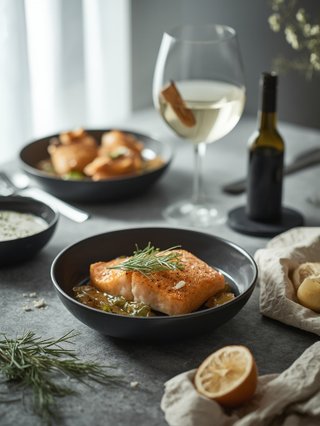
In everyday meal preparation, herring adapts well to both cold and warm culinary techniques. While traditional preparations frequently feature marinated fillets paired with onions, sour cream, vegetable oil, or tomatoes, the fish can also be gently cooked by steaming, braising, or oven-baking in aluminum foil. Additionally, canned herring varieties offer a practical, shelf-stable option for incorporating beneficial marine lipids into a balanced diet.
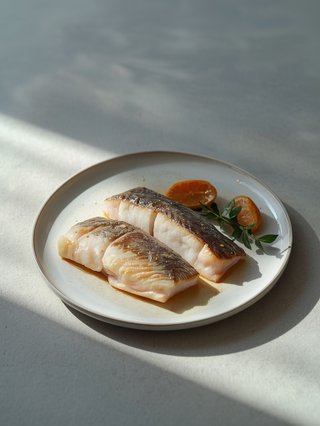
Young herring, known as Mattias, are caught in May, before they commence their spawning season. Their flesh is at its most tender and sensitive during this time. During the summer, fish with milk and roe are caught, which at that time have the highest fat content and are the most piquant.
01 / 02
Herring – a comprehensive analysis of health benefits and nutritional value
Herring serves as a rich source of exceptionally valuable omega-3 fatty acids, the health benefits of which are increasingly substantiated by extensive scientific research. Evidence suggests that consistent consumption of these fatty acids may significantly reduce the risk of developing Alzheimer’s disease, a critical consideration for individuals prioritizing preventive healthcare. Furthermore, these fats exhibit protective properties against the onset of various cancers and contribute to lowering levels of low-density lipoprotein (LDL) cholesterol in the bloodstream, thereby mitigating the likelihood of atherosclerosis. From a caloric perspective, a 100-gram serving of herring provides approximately 160 kilocalories, positioning it as a relatively low-calorie yet highly nutritious food option. This fish is also distinguished by its substantial potassium content—a mineral that not only supports optimal cardiovascular function but also aids in regulating the body’s water-electrolyte balance, which may be particularly beneficial for individuals adhering to weight-loss diets. The protein found in herring meat is characterized by complete biological value and high digestibility, making it an excellent source of essential amino acids. Additionally, a 100-gram portion of herring fulfills four times the daily recommended intake of vitamin B12—a nutrient indispensable for the healthy growth of children and the maintenance of cognitive and physical well-being in older adults. Herring is likewise abundant in vitamin E, a potent antioxidant that safeguards cells against oxidative damage, positively influences fertility in both women and men, and enhances muscle performance while promoting sperm production. Like vitamins A, D, and K, vitamin E is fat-soluble, which is why fatty marine fish such as herring represent an exceptionally efficient dietary source of this vital nutrient.
02 / 02
Herring in culinary practice: preparation techniques and applications
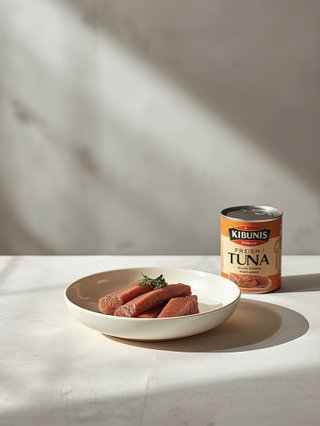
Herring represents a versatile culinary ingredient that can undergo diverse thermal processing methods—ranging from oven-baking in aluminum foil to steaming or braising. Its high digestibility ensures minimal strain on the gastrointestinal system. Within Polish culinary traditions, it is most frequently presented in marinated form, complemented by onions, sour cream, vegetable oil, and tomatoes. Additionally, it is widely available in canned variations, permitting extended storage without reliance on artificial preservatives; protection against spoilage is achieved through thermal treatment, primarily pasteurization. While fresh or frozen specimens are considered optimal, their availability may be limited. Depending on the smoking technique, distinctions are made between *piklingi* (hot-smoked, processed whole) and *kipery* (cold-smoked, pre-cleaned).
Meal Plan
Want to apply these guidelines in your daily diet?
Our smart diet generator creates a tailored meal plan in 3 minutes based on the recommendations in this article.

mgr David Janitzek
• 25.11.2026Diets Premium Expert
Diets Premium team expert. Specializes in nutrition plans, strength sports, and training plans.