3 min read
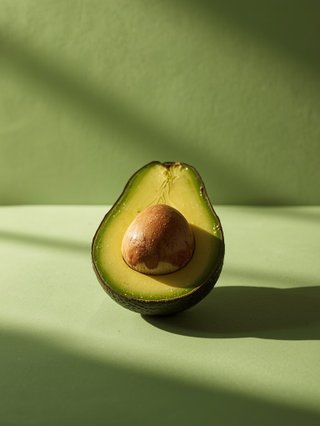
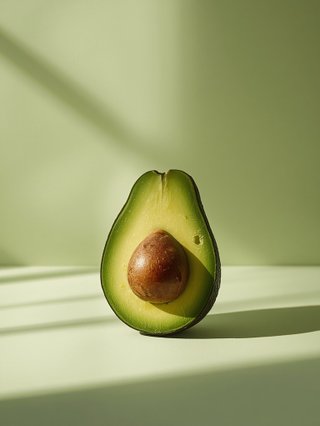
Avocado grown in the warm regions of Central and South America


1 photo
808
Smart Voice
AI
0:00
0:00
Listen to the article content live
Table of Contents 2
Medical & Editorial Disclaimer (§3 Terms): This article is for informational and educational purposes only, does not constitute medical advice, diagnosis, or treatment, and is used at your own risk. Consult a qualified physician for medical conditions.
Clinical E-Books & Diet Plans:
Explore E-Books & Plans →
Key Takeaways
Cultivated in the tropical and subtropical climates of Central and South America, the avocado holds a unique position in clinical nutrition and modern wellness. While its deep green skin and contour resemble a pear, its interior houses a single large pit rather than a conventional seed cavity. This tropical fruit matters significantly to health-conscious readers because, unlike most other fruits, its fleshy pulp offers a remarkably creamy, buttery consistency and a mild, slightly nutty flavor profile anchored by a rich concentration of dietary lipids.
From a physiological perspective, the primary nutritional distinction of the avocado lies in its abundance of monounsaturated and polyunsaturated fatty acids, widely recognized as beneficial fats. The insights covered across the article highlight how incorporating these unsaturated fats into a balanced diet supports overall cardiovascular integrity. Regular consumption of nutrient-dense sources of healthy fatty acids may help maintain healthy blood vessels and contribute to lowering the risk factors associated with heart disease, atherosclerosis, coronary conditions, and stroke.
For everyday culinary application, selecting a fully mature avocado with a yielding, buttery-soft texture unlocks effortless versatility in the kitchen. Its rich pulp serves as the quintessential foundation for authentic Mexican guacamole, blending mashed avocado with fresh lime juice, cilantro, and complementary seasonings. Additionally, simply mashing the flesh with a fork and adding a touch of seasoning creates an immediate, wholesome spread for artisanal bread, offering an accessible way to elevate daily meals with beneficial plant-based fats.
The avocado is grown in the tropical and subtropical climates of Central and South America. Its shape is similar to an intensely green pear, but inside it contains a large fruit instead of a seed nest. It is fleshy, has a creamy consistency, and is relatively mild in taste. About 20-30 percent of the fruit's flesh is fat, which contains mainly unsaturated fatty acids. These are beneficial for our health, as they are part of the so-called good fats. Regular consumption of avocado can help prevent heart diseases, atherosclerosis, coronary heart disease, and strokes.
01 / 02
Avocado: Nutritional and health-promoting characteristics of this tropical fruit
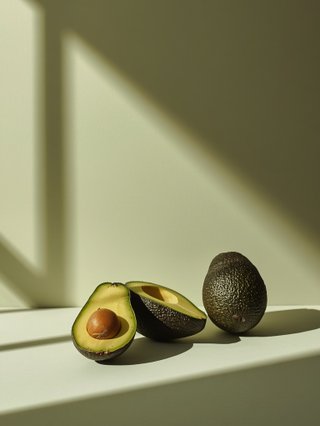
The avocado, cultivated in the warm climates of Central and South America, is distinguished by its pear-like shape and deep green skin. Rather than containing a conventional seed cavity, its interior houses a single, large pit. The fruit’s flesh is characterized by a creamy, buttery texture and a delicate, mildly nutty flavor. Notably, approximately 20–30% of its composition consists of fats—primarily monounsaturated and polyunsaturated fatty acids, classified as "healthy fats" due to their beneficial effects on cardiovascular health. Regular consumption of avocado may contribute to lowering levels of "bad" LDL cholesterol and triglycerides in the bloodstream, thereby serving as a preventive measure against heart disease, atherosclerosis, coronary artery disease, and stroke. Beyond its favorable fat profile, avocado is a rich source of over 20 essential vitamins and minerals, including vitamins A, C, E, folic acid, magnesium, potassium, zinc, and copper. It also provides a substantial amount of dietary fiber and potent antioxidants, such as glutathione—a compound that enhances the absorption of other dietary antioxidants. Additionally, avocado contains lutein and zeaxanthin, carotenoids known for their positive impact on eye health. The high folic acid content makes this fruit particularly valuable in the diets of women, as it may reduce the risk of breast and cervical cancers. Expectant mothers are also encouraged to incorporate avocado into their nutrition, given that folic acid plays a critical role in preventing congenital defects in the fetus. Due to its significant fiber content, avocado is further recommended for individuals seeking weight management or experiencing digestive issues, as fiber not only promotes satiety but also aids in cleansing the digestive tract of toxins and residual waste.
02 / 02
Comprehensive applications of avocado: Culinary, nutritional, and dermatological benefits
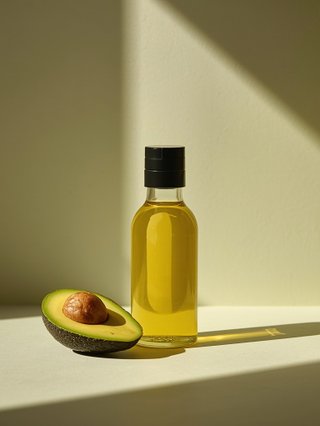
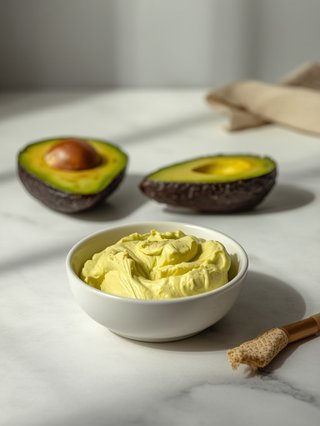
The fully mature avocado, distinguished by its buttery-soft texture and deep emerald-green rind, represents the pinnacle of both gastronomic excellence and nutritional density. Its luscious, monounsaturated-fat-rich pulp serves as the cornerstone of authentic Mexican guacamole—a culinary staple that harmonizes mashed avocado with lime juice, cilantro, and an array of seasonings. Beyond this classic application, the fruit excels as a spread for artisanal bread: simply fork-mash the flesh, season with flaky sea salt and freshly ground black pepper, incorporate finely grated garlic, and finish with a drizzle of extra-virgin olive oil. The avocado’s versatility extends to vegetable-based dishes, where it enhances both chilled salads and warm preparations; its velvety consistency pairs exquisitely with crisp produce, yielding a balanced flavor profile. Furthermore, owing to its abundant concentration of vitamins (particularly E and K), essential minerals, and heart-healthy fats, avocado lends itself to homemade skincare formulations. Crafting a revitalizing face mask involves blending the pulp with freshly extracted cucumber juice and raw honey—this synergistic mixture delivers profound hydration, refines skin texture, and fortifies the epidermal lipid barrier, thereby shielding against environmental aggressors such as pollutants and microbial contaminants.
Meal Plan
Want to apply these guidelines in your daily diet?
Our smart diet generator creates a tailored meal plan in 3 minutes based on the recommendations in this article.

mgr Max Müller
• 25.11.2026Diets Premium Expert
Diets Premium team expert. Specializes in nutrition plans, strength sports, and training plans.