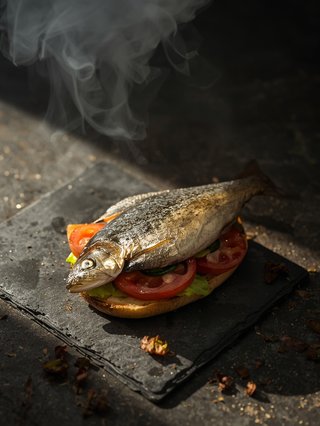
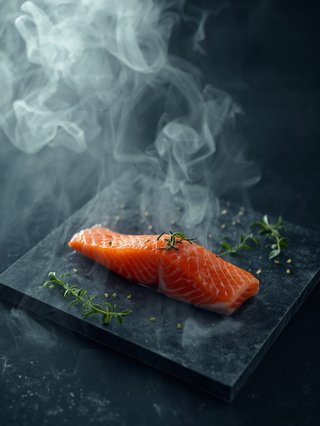
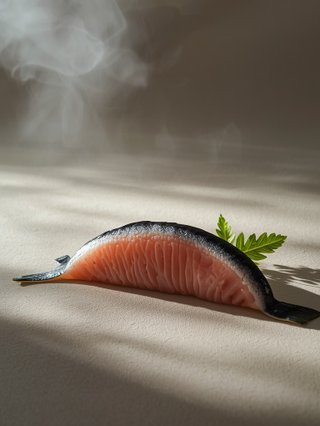
Atlantic mackerel: nutritional ingredients, health benefits, and ways to prepare in home cooking
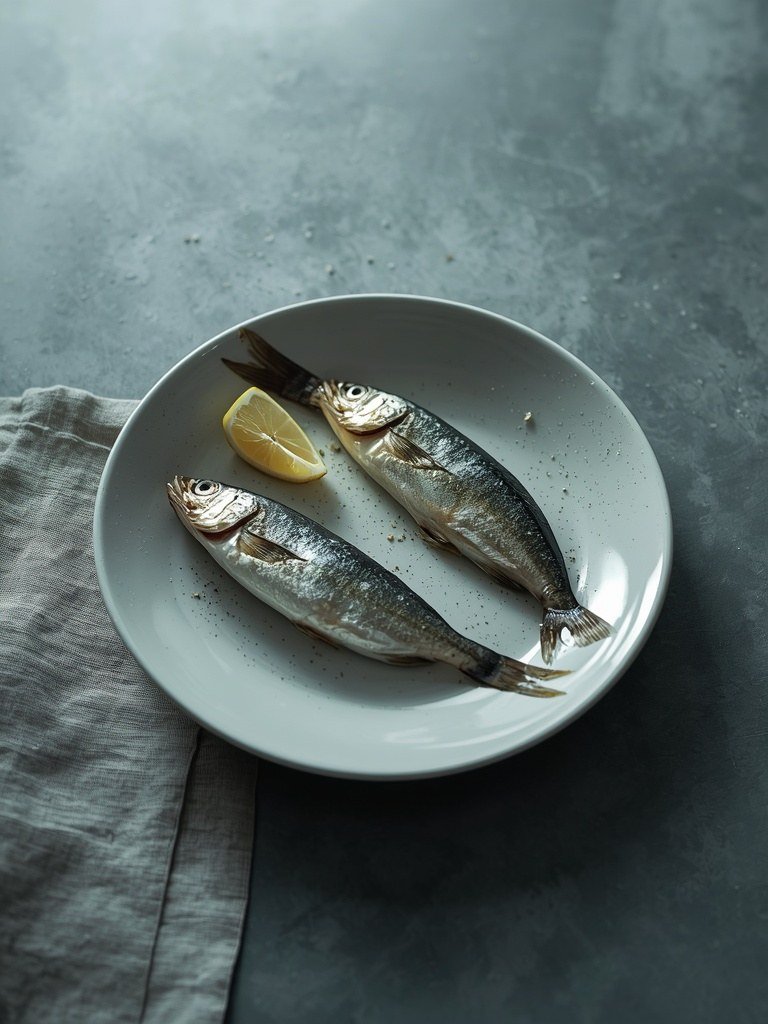
Table of Contents 4
Medical & Editorial Disclaimer (§3 Terms): This article is for informational and educational purposes only, does not constitute medical advice, diagnosis, or treatment, and is used at your own risk. Consult a qualified physician for medical conditions.
Physiologically, mackerel is distinguished by its exceptional profile of long-chain omega fatty acids, which play a fundamental role in modulating inflammatory responses and supporting heart function. Furthermore, it provides high-quality animal protein and a significant concentration of selenium, which functions as a core component of enzymes that protect cellular membranes from oxidative damage. The biochemical analysis also reveals a robust presence of vitamin D and vitamin B, essential for bone metabolism and nervous system integrity, while its low position in the food chain ensures minimal heavy metal bioaccumulation.
In practical culinary terms, utilizing fresh mackerel through gentle preparation methods such as herb-roasting or steaming is recommended to preserve its delicate fatty acid structure. While smoked varieties are popular for their intense flavor, individuals following specific clinical diets should be mindful of sodium, purine, and histamine levels. Combining the fish with fresh aromatics like lemon and garlic not only enhances the flavor profile but also aids in the absorption of trace minerals, providing a wholesome and nutrient-rich foundation for health-conscious daily nutrition.
Nutritional Matrix of Atlantic Mackerel – Protein, Omega-3s, and Fat-Soluble Vitamins
Atlantic mackerel (Scomber scombrus) is a pelagic species thriving in the cool, nutrient-dense waters of the North Atlantic and Baltic seas, possessing an outstanding biochemical lipid-protein profile:
- Complete animal protein – delivers 20–24 g of highly digestible protein per 100 g, rich in indispensable branched-chain amino acids and lysine.
- Long-chain omega-3 fatty acids – total lipid content ranges from 12 to 18 g, featuring an extraordinary 2.5–3.5 g of bioactive EPA and DHA per 100 g portion, easily satisfying multi-day clinical requirements.
- Vitamins D3 and B12 – represents one of nature's foremost whole-food sources of cholecalciferol (supplying 400–600 IU vitamin D3 per 100 g) alongside cobalamin (B12) essential for neurogenesis and red blood cell maturation.
- Vitamins A and E – lipophilic antioxidants that preserve fatty acid double bonds from free-radical auto-oxidation.
Selenium and Trace Minerals – Antioxidant Defense, Thyroid, and Immune Function
Among marine fish, Atlantic mackerel stands out for its exceptional concentration of the trace element selenium:
- Daily requirement fulfillment – a 100 g portion provides roughly 45–55 µg of bioavailable selenium, covering nearly 100% of the adult recommended daily allowance (55 µg/day).
- Glutathione peroxidase activation – selenium acts as the selenocysteine core of glutathione peroxidases (GPx), neutralizing lipid hydroperoxides and protecting cellular membranes from oxidative degradation.
- Thyroid hormone deiodination – selenium is an obligate cofactor for iodothyronine deiodinases converting prohormone T4 into active T3. Paired with endogenous dietary iodine, mackerel is ideal for thyroid metabolism support.
- Gestational and neurodevelopmental support – concurrent maternal intake of selenium and long-chain DHA fosters fetal neuro-retinal development while mitigating gestational hypertensive risks.
Clinical Safety – Histamine, Purines, Sodium in Smoked Varieties, and Minimal Mercury
When integrating mackerel into clinical diets, specific nutritional nuances must be evaluated:
- Low methylmercury accumulation – Atlantic mackerel (Scomber scombrus) is a small, short-lived pelagic fish with negligible bioaccumulation (<0.05 ppm), unlike large king mackerel (Scomberomorus cavalla) or shark. It is endorsed for maternal and pediatric consumption.
- Histamine and scombroid poisoning risk – mackerel muscle contains abundant free histidine. Inadequate post-catch cold-chain storage allows bacterial histidine decarboxylase to convert it into toxic histamine, triggering scombroid poisoning. Only fresh, properly chilled fish should be procured.
- Fresh vs smoked sodium differentials – commercially hot-smoked mackerel packs considerable sodium chloride (2–3 g salt per 100 g) and pyrolysis wood smoke compounds; hypertensive and renal patients should prioritize fresh baked or steamed fillets.
- Purine density – individuals with hyperuricemia or gout should moderate portions due to endogenous purines that break down into uric acid.
Culinary Preparation – Wholesome Home Kitchen Recipes
Atlantic mackerel lends itself seamlessly to nutrient-dense home cooking:
1. Herb-Roasted Fresh Mackerel with Lemon and Garlic:
- Ingredients: 2 gutted fresh Atlantic mackerel, 1 organic lemon sliced, 2 crushed garlic cloves, 2 fresh rosemary sprigs, 1 tbsp olive oil, sea salt, black pepper.
- Preparation: Pat fish dry and score skin diagonally at 2 cm intervals. Season with salt and pepper. Stuff cavities with lemon slices, crushed garlic, and rosemary sprigs. Brush lightly with olive oil. Roast at 200°C (400°F) for 20–25 minutes until the skin crisps and meat flakes easily.
2. High-Protein Smoked Mackerel and Quark Sandwich Spread:
- Ingredients: 150 g deboned mackerel flakes, 150 g low-fat quark (or farmer's cheese), 2 tbsp plain Greek yogurt, 1 bunch finely minced chives, 1 tsp Dijon mustard, cracked black pepper.
- Preparation: Mash mackerel and quark together using a fork, fold in Greek yogurt, mustard, and minced chives, and season generously with black pepper. Serve on whole-grain sourdough for a hearty, omega-3-packed breakfast.
Want to apply these guidelines in your daily diet?
Our smart diet generator creates a tailored meal plan in 3 minutes based on the recommendations in this article.
Tags

mgr Tim Klein
Diets Premium Expert
Diets Premium team expert. Specializes in nutrition plans, strength sports, and training plans.