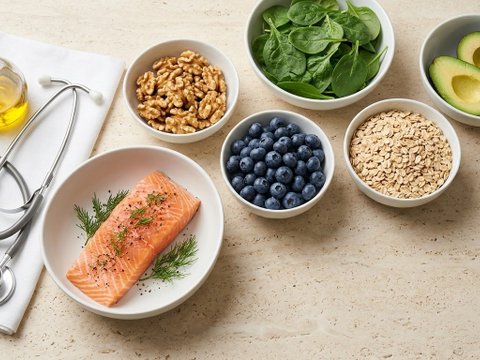
Lutein – properties, natural sources, and effect on vision: a comprehensive guide to the health benefits of the carotenoid


Table of Contents 4
Medical & Editorial Disclaimer (§3 Terms): This article is for informational and educational purposes only, does not constitute medical advice, diagnosis, or treatment, and is used at your own risk. Consult a qualified physician for medical conditions.
This vibrant yellow-orange pigment is exclusively synthesized by plants and algae, meaning humans must obtain it through their diet. Within the body, lutein acts as an exceptional scavenger of reactive oxygen species, protecting retinal photoreceptors from damage induced by solar irradiation. It effectively filters high-energy blue light emitted by the sun and digital screens, contributing to a reduced risk of age-related macular degeneration and accelerating glare recovery.
To optimize lutein intake, regularly incorporate dark leafy greens such as kale and spinach, along with select yellow-hued plant matrices and pastured egg yolks, into your diet. Always pair lutein-rich foods with wholesome dietary lipids, like extra virgin olive oil or nuts, to enhance intestinal micellization and fully leverage its protective effects on vision.
Lutein is among the most essential carotenoids in human nutrition, serving an indispensable role in safeguarding ocular tissues against photo-oxidative decay and high-energy blue wavelength injury. As the primary constituent of the macular pigment, lutein underpins central visual acuity, contrast sensitivity, and slows degenerative cellular aging.
What is Lutein? Chemical Structure and Carotenoid Metabolism
Lutein is a vibrant yellow-orange pigment classified within the xanthophyll subclass of oxygenated carotenoids. Synthesized exclusively by photosynthetic plants and algae, humans must obtain it through the diet.
Ingested alongside dietary fats, lutein undergoes micellar incorporation in the duodenum, facilitated by bile salts. Transported systemically primarily via HDL and LDL particles, it is selectively extracted by high-affinity retinal-binding proteins in the macula and cerebral cortex.
Biological Mechanism: Cellular Antioxidant Defense
Lutein features a polyisoprenoid conjugated double-bond backbone, rendering it an exceptional direct scavenger of reactive oxygen species. It directly quenches singlet oxygen and lipid peroxyl radicals generated during solar irradiation.
By halting membrane lipid peroxidation, it protects retinal photoreceptor viability. Moreover, it collaborates synergistically with vitamins C and E and zeaxanthin to establish a multi-layered antioxidant defense.
Lutein for Visual Health – Blue Light Filtration and AMD Prevention
Within the retinal macula, lutein and zeaxanthin form the macular pigment, displaying peak optical absorbance between 446 and 460 nm.
Functioning as internal biological sunglasses, they absorb up to 90% of incident high-energy blue light emitted by the sun and digital screens. Clinical trials demonstrate that robust dietary lutein intake significantly diminishes the risk of age-related macular degeneration (AMD) while accelerating glare recovery.
Natural Food Sources and Bioavailability Optimization
The premier dietary sources of lutein comprise dark leafy greens and select yellow-hued plant matrices:
- Kale – providing 18–20 mg per 100 g;
- Spinach – supplying 10–12 mg/100 g;
- Parsley, Swiss chard, and broccoli – 2–5 mg/100 g;
- Pastured egg yolk – yielding superior bioavailability due to natural lipid co-factors.
Always pair lutein-rich vegetables with wholesome dietary lipids (extra virgin olive oil, nuts) to optimize intestinal micellization.
Want to apply these guidelines in your daily diet?
Our smart diet generator creates a tailored meal plan in 3 minutes based on the recommendations in this article.

Sophia Williams
• 25.11.2026Diets Premium Expert
Diets Premium team expert. Specializes in nutrition plans, strength sports, and training plans.