Peanuts – characteristics, cultivation methods, and health impact: analysis of nutritional value and potential consumption benefits
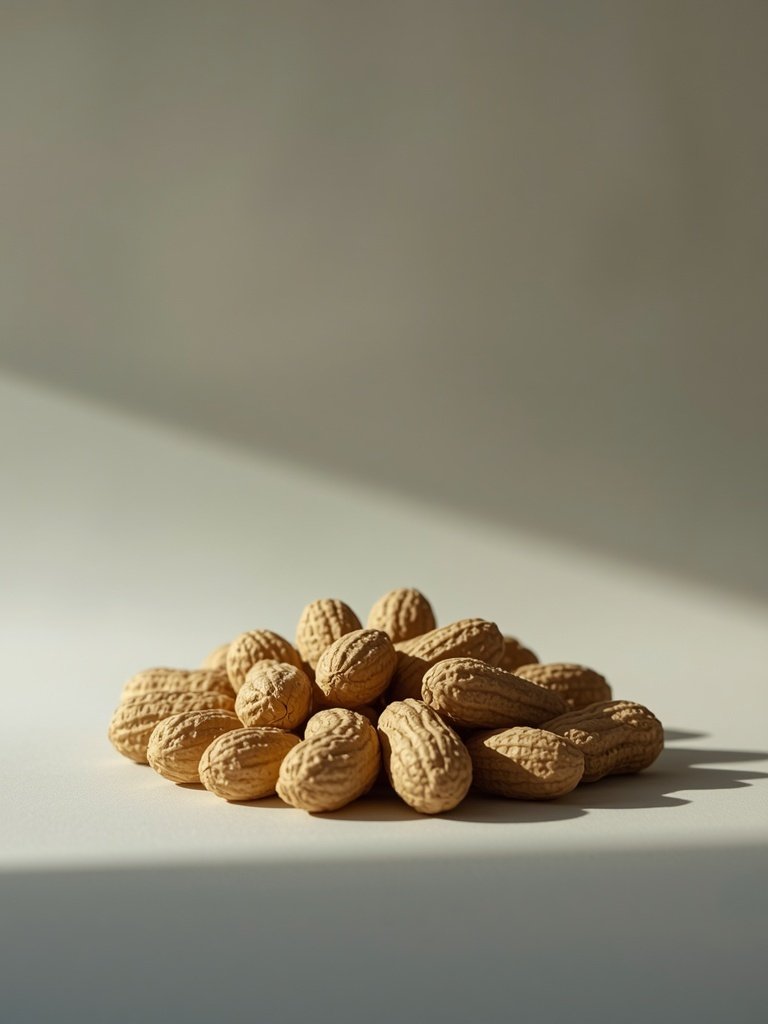
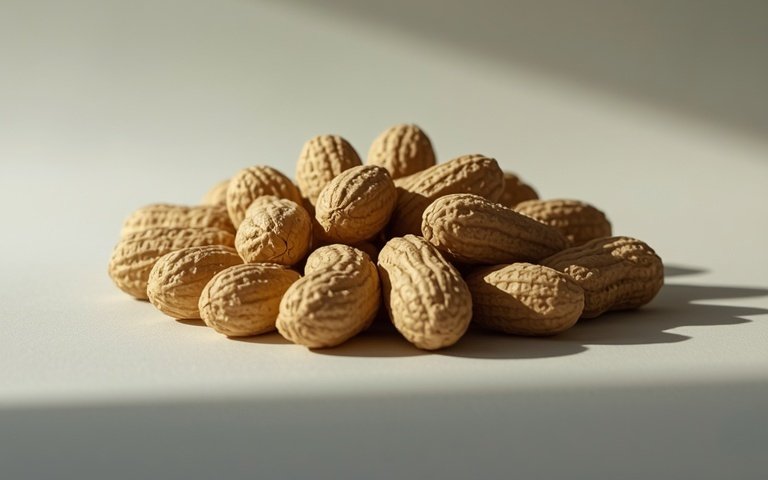
Table of Contents 4
Medical & Editorial Disclaimer (§3 Terms): This article is for informational and educational purposes only, does not constitute medical advice, diagnosis, or treatment, and is used at your own risk. Consult a qualified physician for medical conditions.
The physiological benefits of peanuts are largely attributed to their mono- and polyunsaturated fatty acids, which assist in maintaining healthy lipid profiles. Furthermore, they provide dietary fiber, antioxidants, and vital micronutrients that support metabolic functions and help modulate inflammatory markers within the body. These bioactive compounds work together to promote cardiovascular health and contribute to long-term metabolic stability when consumed as part of a balanced lifestyle.
To integrate peanuts effectively into your daily routine, practice moderation due to their high energy density. They serve as an excellent addition to various meals or as a nutrient-rich snack. For the best health outcomes, prioritize raw or dry-roasted varieties without added salt, sugars, or oils, ensuring that you benefit from their natural nutritional profile while maintaining a mindful approach to your overall dietary intake.
Annual global peanut production reaches millions of metric tons, with the legume available in diverse forms—ranging from whole kernels to confectionery products, peanut butter, oil, and high-protein food formulations. Due to their cost-efficient protein-to-price ratio, they represent a highly sought-after ingredient for food manufacturers, who continually expand their applications. But does their regular consumption yield measurable health benefits? Are there evidence-based reasons to incorporate them into daily dietary patterns?
Botanical classification and origin
Despite their common name, peanuts are not true nuts; they belong to the legume family (Fabaceae). Originating in South America—specifically modern-day Brazil and Peru—they are now widely cultivated across tropical and subtropical regions worldwide.
The edible kernel is encased in a reddish-brown seed coat with a slightly astringent taste. This skin is frequently removed prior to consumption or during industrial processing. Removing the seed coat and applying various thermal or mechanical treatments can significantly alter the overall concentration of bioactive compounds. Understanding their biological classification provides essential context regarding their unique nutritional matrix.
Nutritional profile and bioactive compounds
Peanuts are an exceptional source of plant-based protein, healthy fats, and essential minerals. They contain significant amounts of potassium, magnesium, calcium, phosphorus, iron, copper, and zinc which support vital metabolic functions.
The mono- and polyunsaturated fatty acids found in peanuts lower LDL cholesterol levels and help modulate serum lipid concentrations effectively. Furthermore, they are rich in vitamin E, folic acid, dietary fiber, phenolic compounds, and resveratrol, which act as powerful antioxidants combating free radicals.
Unique cultivation and growth cycle
The cultivation of peanuts is unique compared to tree nuts. Following the pollination of the yellow flowers, the flower stalks elongate and bend downward, actively pushing the developing pods into the soil. Consequently, peanut pods mature entirely underground at a depth of approximately 5 to 8 centimeters.
This distinct growth habit explains why they are termed groundnuts. Once mature, the pods remain structurally intact underground until specialized mechanical harvesting takes place to ensure high yield quality.
Health implications, benefits, and potential risks
Regular and moderate consumption of peanuts supports metabolic health, aids in weight management, and improves cardiovascular parameters by optimizing lipid profiles and reducing inflammatory markers. Research also indicates a lower incidence of type 2 diabetes among regular consumers.
However, several considerations must be kept in mind. Peanuts are exceptionally energy-dense, containing approximately 600 kcal per 100 g, meaning excessive intake can hinder weight control. Furthermore, peanuts are among the most potent food allergens, capable of triggering severe anaphylactic reactions in sensitive individuals. Selecting high-quality products without excessive added salt, sugar, or hydrogenated oils is essential.
Want to apply these guidelines in your daily diet?
Our smart diet generator creates a tailored meal plan in 3 minutes based on the recommendations in this article.
Tags

mgr Felix Weber
• 25.11.2026Diets Premium Expert
Diets Premium team expert. Specializes in nutrition plans, strength sports, and training plans.