Nutrition
4 min read
A Journey Through Flour, or Lesser-Known Varieties of Flour and Their Uses
1 photo
853
Smart Voice
AI
0:00
0:00
Listen to the article content live
Table of Contents 2
Medical & Editorial Disclaimer (§3 Terms): This article is for informational and educational purposes only, does not constitute medical advice, diagnosis, or treatment, and is used at your own risk. Consult a qualified physician for medical conditions.
Clinical E-Books & Diet Plans:
Explore E-Books & Plans →
Key Takeaways
Wheat flour has long reigned supreme across traditional bakeries, yet modern nutritional awareness increasingly encourages us to welcome more valuable and diverse culinary companions into our kitchens. This expedition through less-known flour varieties explores how alternative ingredients can refresh our daily baking routines while supporting a wholesome and balanced lifestyle. Understanding the unique profiles of specialty flours empowers home cooks to diversify their diet and appreciate the rich spectrum of plant-based and grain alternatives available today.
Substituting conventional ingredients introduces fascinating changes to the texture, moisture retention, and overall flavor profile of baked goods, as alternative flour types behave differently during preparation. Working with these diverse ingredients requires patience and observation, since each variety brings distinct structural qualities to the mixing bowl. Through direct experimentation in favorite recipes, bakers can master these nuances and discover how alternative flours interact with other components to create unique culinary outcomes.
To ensure success when exploring alternative flour varieties, it is wise to follow manufacturer guidelines regarding intended use, optimal ratios, and suitable baking applications provided on product packages. Embracing a trial-and-error approach in your own kitchen allows you to learn firsthand how different flours perform, turning every baking session into an educational journey. Gradual and mindful integration of these ingredients contributes to a joyful, creative, and nutritionally rich approach to home baking.
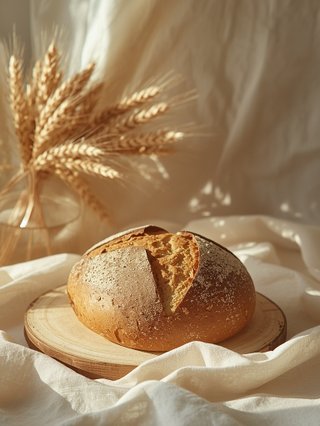
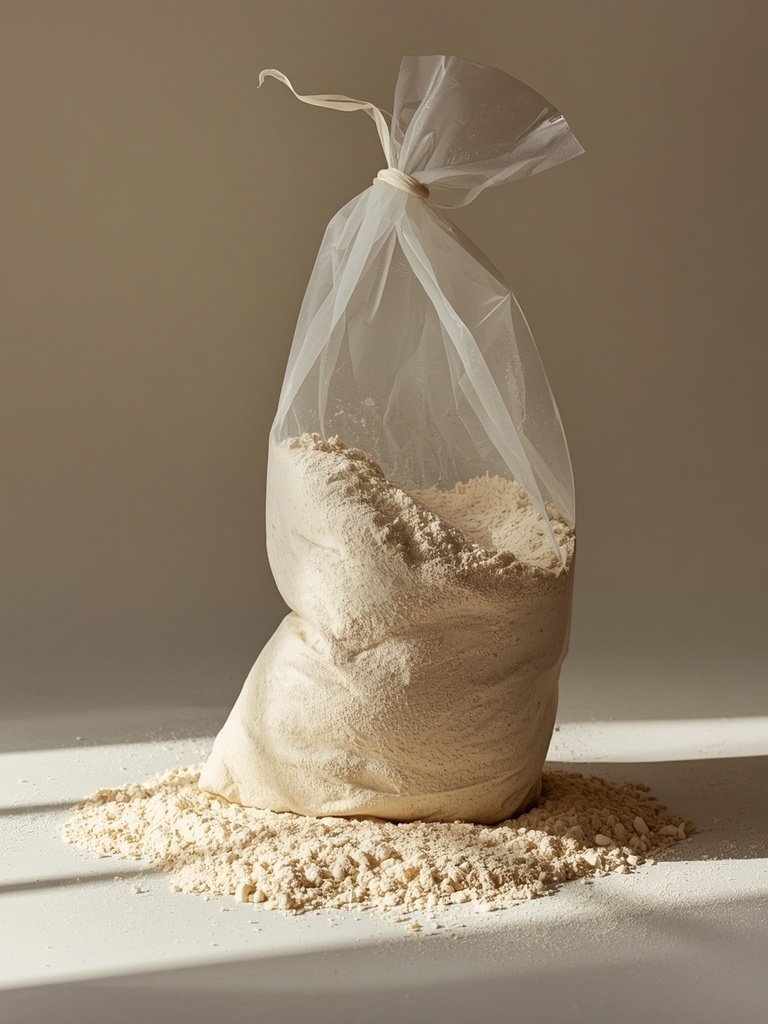
Wheat flour was up until now the ruler of bakeries... although its position on the kitchen shelf still appears to be relatively secure, recently it has been increasingly compelled to make room for its younger, more valuable companions... so how do we utilize the previously less known flour varieties, so that the expedition through flour isn't filled with difficulties?
01 / 02
Wheat flour substitutes
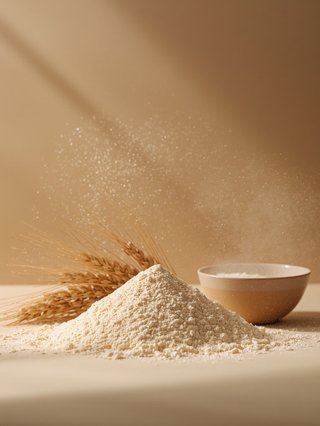
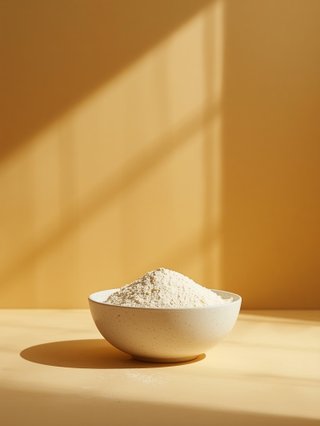
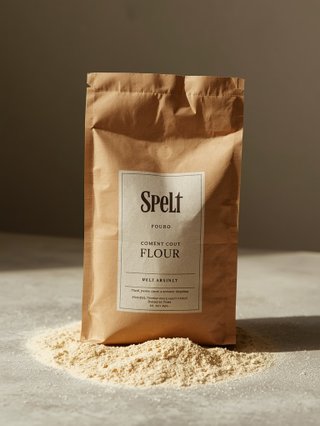
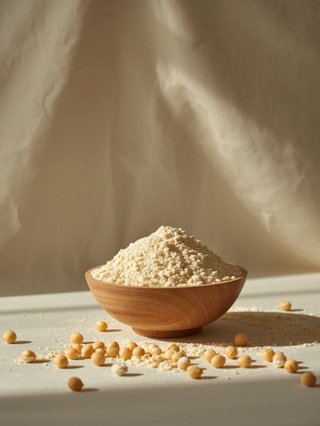
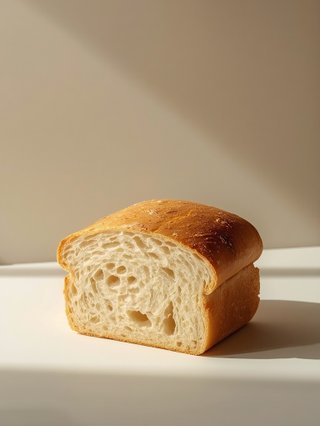
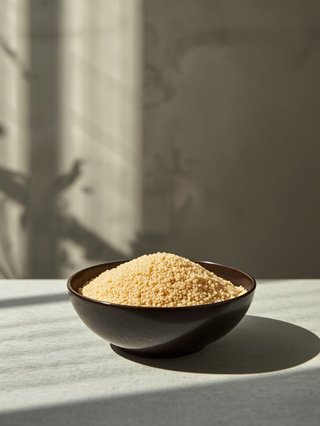
At the beginning, we must remember that a substitute is not always identical to the original. Although we can successfully use substitutes for wheat flour in many recipes, keep in mind that the dough may differ in taste and texture. However, this is not a change to the detriment, as it often turns out that replacing this one ingredient is a perfect match. However, it should be remembered that special types of flours require special handling. Although there are more and more substitutes for traditional flour on the market, below I present the ones that I think you should try! Rice flour – the one closest to wheat flour. It is made from cleaned and ground rice grains, and its texture does not differ significantly from the typical flour used by our grandmothers. Thanks to this, it has a very wide range of uses in the kitchen. We can successfully use it for cakes and puddings; it is also great for crepes and dumplings. Not only does it "mimic" wheat flour, it beats it in terms of nutritional value. We find in it, among others, magnesium, zinc, manganese, and phosphorus. Furthermore, it has a quite low GI, is easily digestible, and is gluten-free. IMPORTANT NOTE: The flour does not contain gluten, so it is worth using an additional binding ingredient for the mixture – an extra egg, a small banana, or an extra tablespoon of flour. Coconut flour – my personal kitchen "must have"... Although it can be difficult for a beginner to get used to, over time it becomes an ingredient without which the recipe seems incomplete. Besides the fantastic coconut flavor it gives to the baked goods, it changes the texture of the batter depending on the amount of liquid used, making it more crumbly or moist. Furthermore, it is less caloric, has fewer carbohydrates, and ten times more fiber, which is valuable for the body, than wheat flour. In addition, it is gluten-free and safe for diabetics. Drawbacks? Initially, it is difficult to get the proportions right. Also, it is quite expensive, although we can successfully make it ourselves. Important NOTES: Coconut flour is a very absorbent flour. A spoonful is enough to very thicken the batter's consistency. Therefore, remember to double the amount of liquids in recipes where we use it as a substitute for other flours. It will also not suit dishes where the taste of coconut is undesirable. Buckwheat flour – a characteristic taste with a hint of bitterness that has the chance to win the heart of the cook from the first bake. In my opinion, it is best suited for baked goods, bread, pancakes, crepes, and pasta. I definitely prefer it in savory dishes, although some "sweet" combinations also taste great! Besides, it offers us a really good amount of magnesium, potassium, and phosphorus.. It is gluten-free and has a low glycemic index.. Important NOTES: Buckwheat flour is one of the "heavier" flours.. If we want to bake a fluffy, soft cake (e.g., sponge cake), it is better to use rice flour, as buckwheat flour can cause the cake to be denser and less fluffy.
02 / 02
A Comprehensive Guide to Utilizing Alternative Flour Types in Home Baking
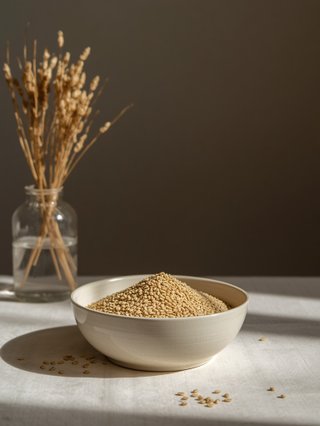
Most packages of specialty flours include manufacturer guidelines regarding their intended use—specifying both the recommended ratios and the types of baked goods for which they are best suited. However, the most reliable way to understand their unique properties is through firsthand experimentation in your favorite recipes, allowing you to assess texture and flavor directly. Even if the initial attempt falls short of expectations, the experience will provide critical insights for refining ingredient proportions in future attempts. Culinary enthusiasts often follow a wide array of food blogs, where authors frequently incorporate less conventional flour varieties to enhance the taste profiles of their dishes and inspire readers with innovative recipes. Observing their methods and ingredient ratios can serve as an invaluable learning opportunity—and over time, you may even become a source of inspiration for others. Do not be discouraged by early setbacks; even seasoned chefs typically refine their recipes through multiple iterations before achieving the ideal balance of components. Bear in mind that success may depend not only on the amount of flour but also on adjustments to liquid ingredients or other elements. The kitchen is a space for creativity: blending, combining, and experimenting without constraints! The era of wheat flour’s dominance in baking is gradually fading, paving the way for the exploration of lesser-known—yet often more nutritious and flavorful—alternatives. This shift is particularly beneficial for individuals avoiding gluten, as the majority of substitute flours are naturally gluten-free, enabling safe and delicious culinary experimentation even within restrictive dietary frameworks.
Meal Plan
Want to apply these guidelines in your daily diet?
Our smart diet generator creates a tailored meal plan in 3 minutes based on the recommendations in this article.

Laura Schneider
• 25.11.2026Diets Premium Expert
Diets Premium team expert. Specializes in nutrition plans, strength sports, and training plans.