Key Takeaways
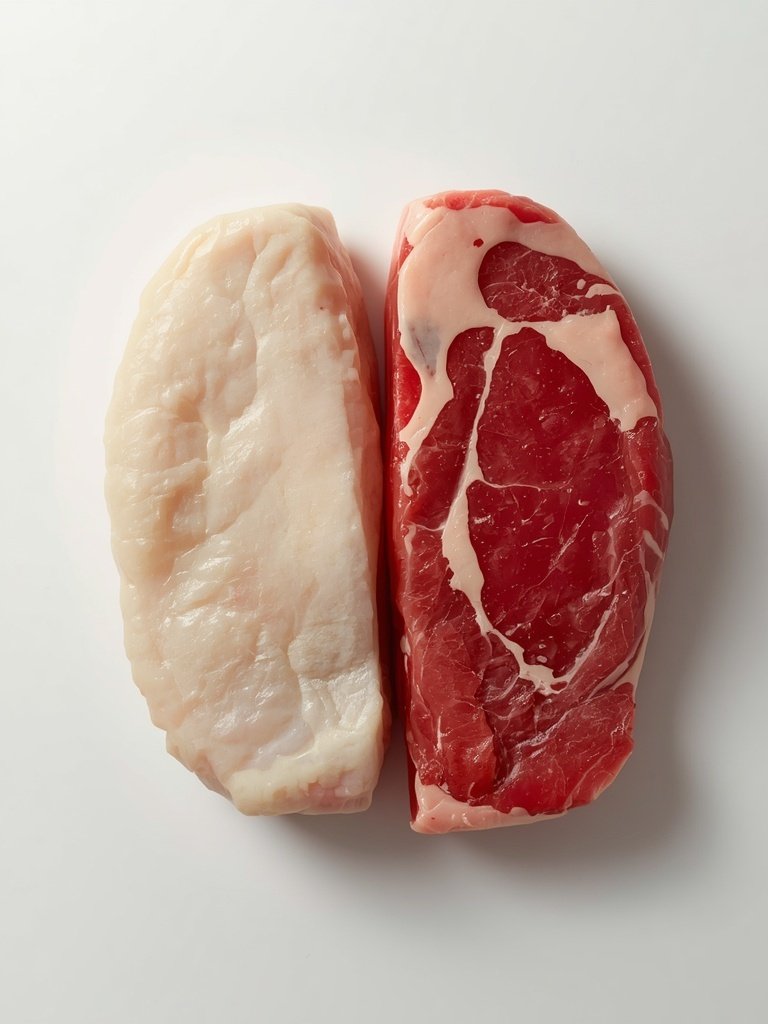
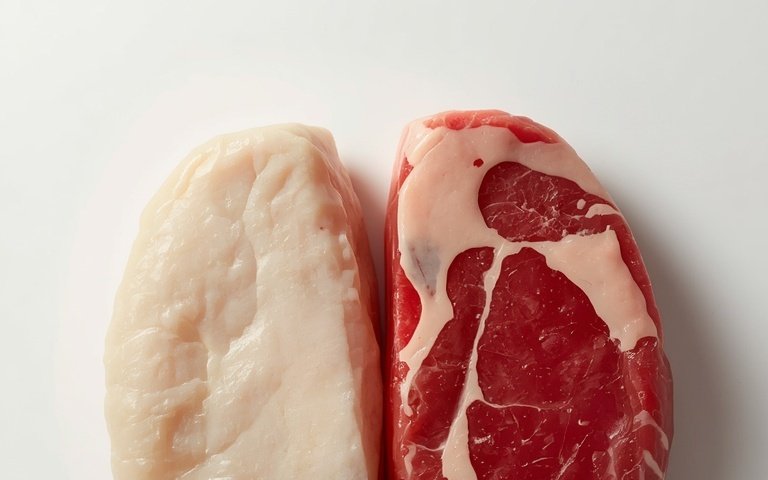
Meat products serve as a fundamental component of animal-derived foods, occupying a prominent place in daily dietary patterns and culinary traditions worldwide. The scientific classification distinguishing between white and red meat relies primarily on visual color and biochemical composition, specifically the concentration of myoglobin within the muscle tissue. Recognizing these distinctions is essential for consumers, as the specific type of meat incorporated into regular meals exerts a notable influence on overall bodily health and metabolic balance.
Physiologically, white meat originating from poultry features lower levels of myoglobin, fat, and cholesterol, while providing easily digestible protein and beneficial unsaturated fatty acids. In contrast, red meat sourced from livestock and game animals contains higher concentrations of myoglobin and fatty tissue, alongside significant amounts of essential minerals such as iron and zinc, as well as crucial B vitamins. While both varieties represent excellent sources of highly absorbable protein, their differing lipid and micronutrient profiles mean they fulfill distinct nutritional roles within the human body.
For optimal health and well-being, neither white nor red meat should entirely replace the other; instead, both ought to be integrated into daily nutrition in appropriate proportions. Due to its substantial iron content, red meat is particularly advantageous for individuals addressing iron deficiencies or anemia. Meanwhile, white meat is frequently favored during weight management efforts due to its lighter fat profile. Embracing a balanced, varied approach to meat consumption supports long-term nutritional goals and contributes to a robust lifestyle.
Meat products, as a category of animal-derived foods, are classified based on color and biochemical composition. Consumer preferences dictate which type of meat predominates in their daily dietary patterns. It is important to recognize, however, that—much like other dietary components—the specific type of meat consumed exerts a significant influence on overall bodily health. In this discussion, we will examine the fundamental distinctions between white and red meat, addressing both their nutritional attributes and the potential health outcomes associated with their regular intake.
03 / 04
The nutritional value of white and red meat
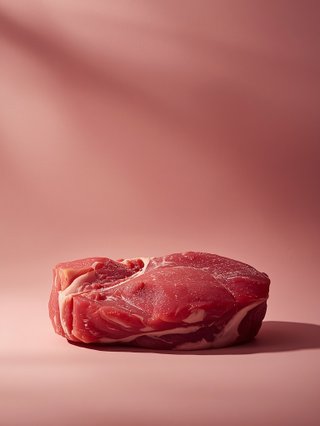
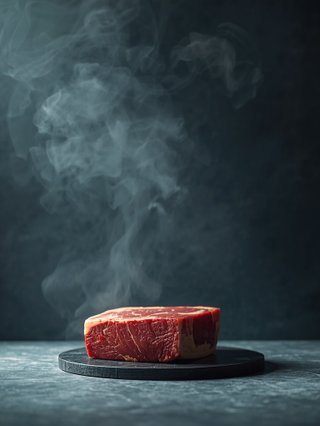
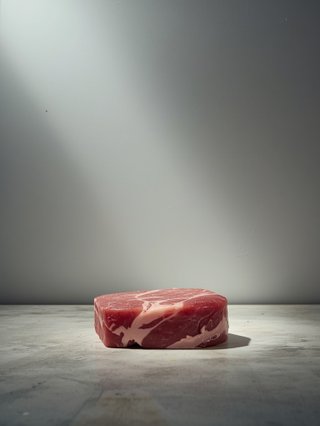
Meat is a source of easily digestible protein, fat, cholesterol, fatty acids, as well as minerals and vitamins such as: zinc, iron, and B vitamins. White meat is compositionally similar to red meat, but it contains less iron and less fat and cholesterol. In turn, it contains more unsaturated fatty acids. For comparison, 100 g of chicken breast fillet is about 100 kcal. Chicken is easily digestible and is a good source of protein. Usually, the least fat is found in the breast, and the most in the wings. Chicken is a source of B vitamins and minerals such as iron, zinc, potassium, and magnesium. Turkey is even less caloric than chicken. 100g of breast fillet contains about 84 kcal. Turkey meat is also easily digestible and contains small amounts of fat. Like chicken, turkey meat is a source of B vitamins and minerals such as iron, zinc, potassium, or magnesium. Analyzing the remaining types, goose and duck meat is much more caloric than chicken and turkey, contains more cholesterol, and is not among easily digestible products. Comparing the amount of minerals and vitamins, duck and goose meat contains more iron, although less B vitamins than chicken and turkey. Pork is also a good source of protein, with a content ranging from 15% to 21%. Loin contains the most protein, and ribs the least. The fat content varies depending on the cut of the carcass. Therefore, we may encounter lean meat, which is less caloric, and conversely, fatty pork. The least fat is found in pork loin, and the most in bacon. Pork is also a source of omega-6 and omega-3 fatty acids, which are present in more favorable proportions compared to poultry meat. Pork contains B vitamins, with the most found in the neck and the least in the loin, and vitamin E, with the highest amount found in the neck, bacon, and ribs, and the lowest in the loin and ham. Pork meat also provides mineral components, including well-absorbed iron, with amounts ranging from 3 mg/100 g in the loin to 6.25 mg/100 g in the neck. In addition, pork also provides compounds such as taurine, coenzyme Q10, and creatine. In the case of beef, the protein content in the meat is slightly higher than in pork and constitutes 18%–23%. The fat content in different cuts of beef varies, but it is lower than in pork. In addition, beef is a source of iron, copper, zinc, and B vitamins, especially B1, B6, B12, as well as A, E, and D.
Want to apply these guidelines in your daily diet?
Our smart diet generator creates a tailored meal plan in 3 minutes based on the recommendations in this article.