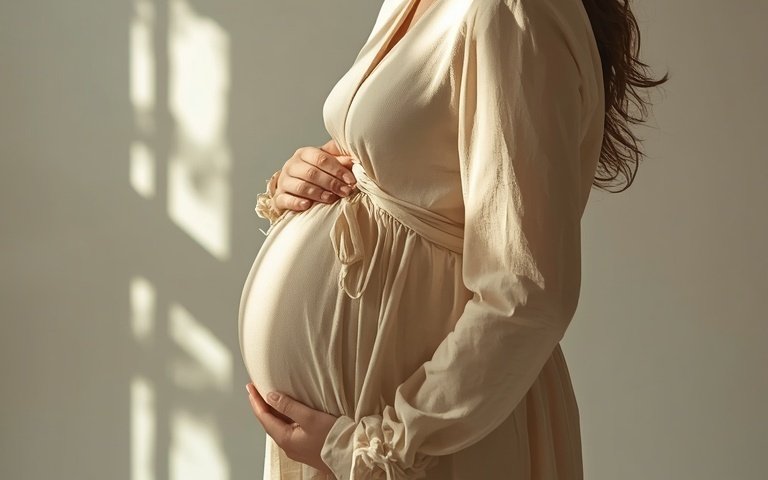
Pregnancy is a very important time for a woman, as a new life develops in her body. However, it is also a time when the woman should pay particular attention to her health, as the process of metabolic programming begins in fetal development, and the diet of the future mother plays a crucial role in the development of the baby both now and in the future.
01 / 02
Foods and Beverages to Avoid in Pregnancy.
Nutrition during pregnancy undeniably has a significant impact on both the mother's health and the developing baby in her womb. Where to be moderate and what to avoid, i.e., several practical tips for expectant mothers:
Eliminate unpasteurized milk and products based on it (blue cheeses: brie, camembert) from your diet. To cover calcium requirements, choose fermented milk drinks (natural yogurt, kefir, buttermilk), cottage cheeses, and in small amounts, yellow cheeses. IMPORTANT: Pregnant women should not consume blue cheeses made from unpasteurized milk due to the potential risk of Listeria monocytogenes infection, which may endanger the fetus [2]. It is worth remembering that raw eggs may be contaminated with Salmonella and therefore should only be consumed hard-boiled or as a firmly set scrambled egg. Avoid consuming raw and undercooked meat (tartare, rare steaks) and fish, because even fresh ones can be a source of pathogenic bacteria and parasites (Listeria monocytogenes, Toxoplasma gondii, Campylobacter). Pay special attention when selecting fish for your diet. Avoid predatory and long-lived species. Instead, choose small portions of marine fish: Norwegian salmon, herring, anchovy, or Atlantic mackerel, which are characterized by low levels of methylmercury and high levels of omega-3 fatty acids. Refrain from consuming liver, not only due to its high cholesterol content but also due to the excessive amount of vitamin A present in the form of retinol. Too high a dose can disrupt fetal development [4, 5]. Limit the consumption of highly processed foods to a minimum. Remember that most baked goods (ready-made cakes, crackers, filled bars) are a source of simple sugars and unhealthy trans fatty acids during pregnancy. If you are craving something sweet, choose healthy alternatives (milk and fruit smoothies; natural yogurt with fresh fruit, cereal flakes, nuts, or pumpkin seeds; fruit salad; whole-grain cookies with honey). The amount of table salt from all sources should not exceed one teaspoon, which corresponds to consuming 5–6 g of salt per day. Remember that salt is found in almost every food product (cold cuts, bread, smoked fish, cheeses, ready-made sauces) and it is easy to exceed the recommended amount. During pregnancy, both too little and too much sodium chloride is not recommended. FUN FACT: During pregnancy, you should not restrict your intake of table salt due to the possibility of hypovolemia and impaired uterine blood flow. Do not forget to hydrate your body by drinking 2–2.5 liters of fluids daily. Give up sweetened drinks with countless additives (cola, flavored sodas). These types of drinks are particularly undesirable due to the caffeine they contain. Instead, choose spring water, low-mineral natural mineral water, fruit teas, weak black tea, or fruit and vegetable juices (carrot, tomato, orange, grapefruit). Limit the daily amount of caffeine in your diet to a minimum. Remember that this substance is found not only in popular drinks such as: natural coffee or tea (theine), but is also present in cola-type soft drinks, and in smaller amounts in cocoa and chocolate. IMPORTANT: Due to the adverse effects of caffeine on the fetus in pregnant women, it is recommended to limit caffeine-containing products to 200–300 mg per day, which corresponds to 2–3 cups of coffee in practice. Strictly avoid consuming alcohol! IMPORTANT: Remember that consuming ethyl alcohol during pregnancy is associated with the risk of serious developmental disorders in the fetus (English: Fetal alcohol syndrome, FAS), as well as complications during pregnancy and childbirth. Avoid cigarette smoke. IMPORTANT: Smoking by the mother increases the risk of miscarriage, premature birth, and intrauterine growth restriction (IUGR) in the fetus. Find out what else should not be consumed during pregnancy!
Want to apply these guidelines in your daily diet?
Our smart diet generator creates a tailored meal plan in 3 minutes based on the recommendations in this article.