5 min read
Swallowwort – Health Properties, Uses, and Contraindications
1 photo
842
Smart Voice
AI
0:00
0:00
Listen to the article content live
Table of Contents 8
A diverse range of herbs enjoy enduring popularity. In this era of many diseases, instead of relying on pharmaceutical remedies, we increasingly turn to natural herbal supplements, which are herbs. One such herb is the cauliflower herb. Does it have any application at all, and is there anyone for whom its use is recommended?
01 / 08
Greater celandine (Chelidonium majus L.) – distribution and ecological habitats
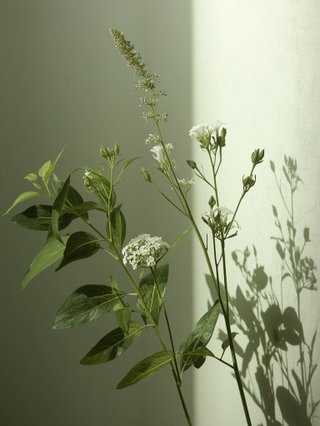
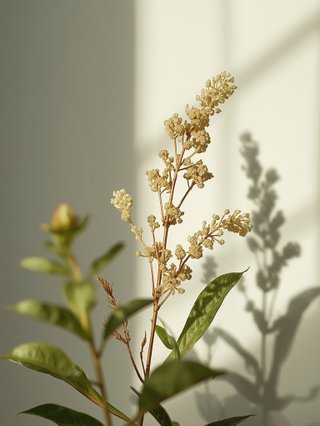
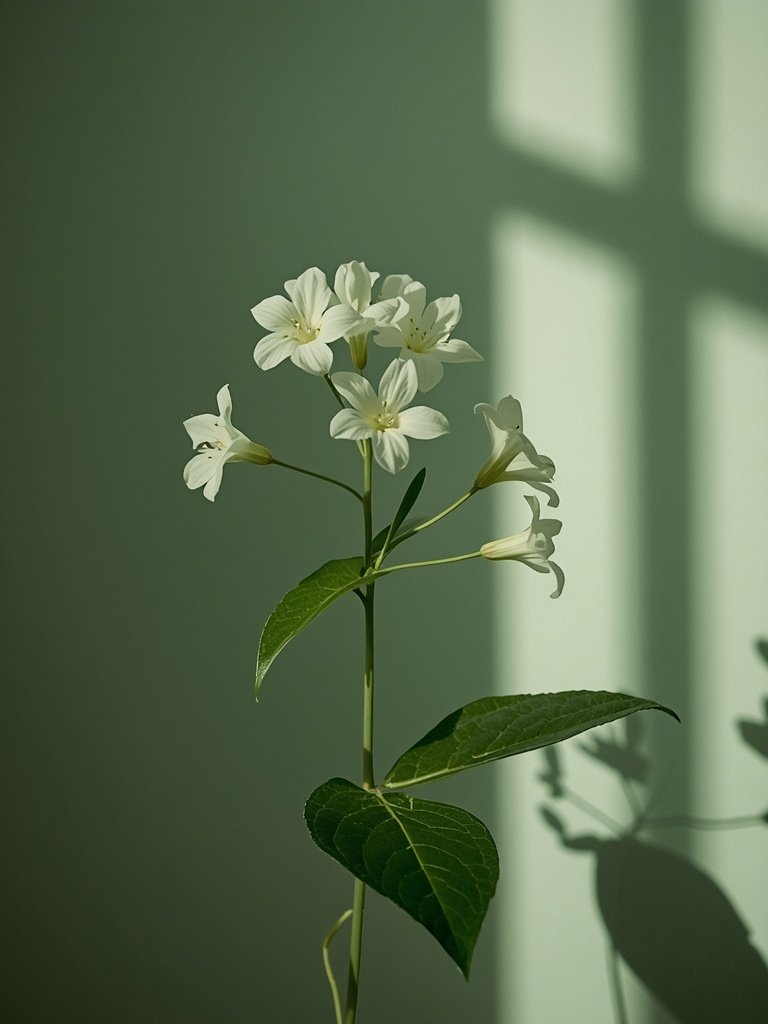
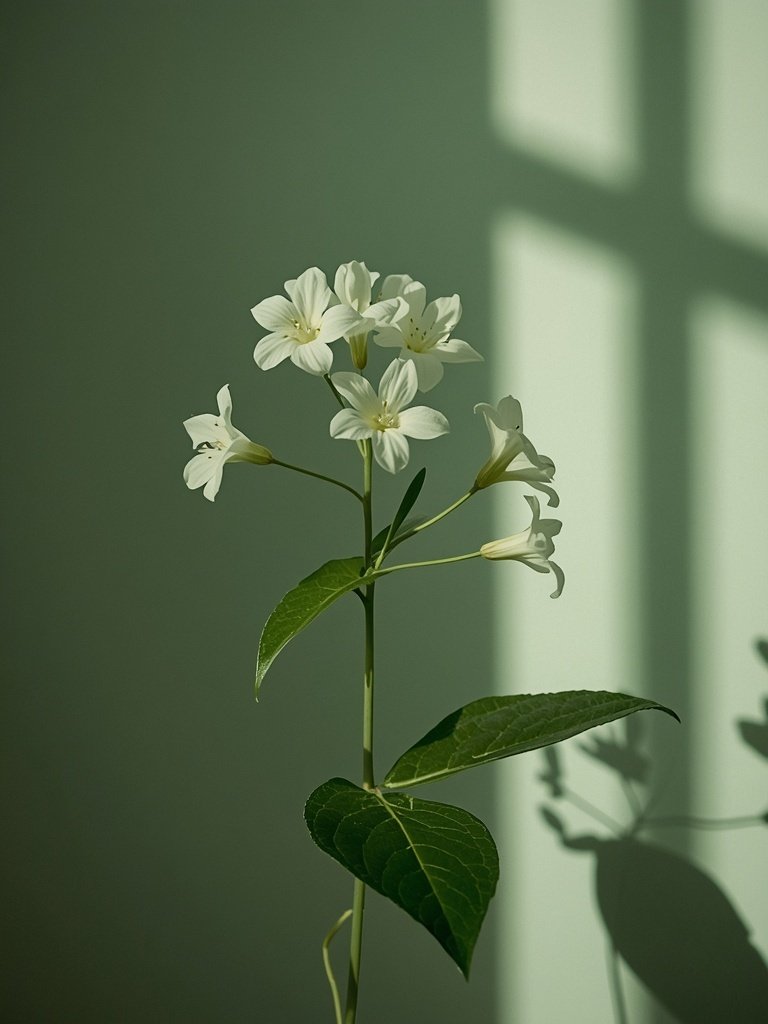
Greater celandine (*Chelidonium majus* L.), a member of the poppy family (*Papaveraceae*), derives its common name from a longstanding folk tradition linking its flowering period to the migratory season of swallows in temperate regions. Historically, the plant has also been referred to as swallowwort, tetterwort, golden herb, God’s grace, heaven’s gift, golden root, eye herb, or celandine poppy. Its native range spans four continents—Europe (including the British Isles), Asia, northern Africa, and South America—where it thrives in anthropogenically disturbed habitats. Typical locations include railway embankments, roadside verges, fence lines, stone walls, urban park thickets, deciduous forest edges, and riparian zones, favoring nutrient-rich, moist soils with partial sun exposure.
02 / 08
Phytochemical profile of greater celandine (Chelidonium majus): a comprehensive compositional breakdown
Greater celandine (Chelidonium majus) exhibits a rich and multifaceted chemical composition, dominated by secondary metabolites—most notably alkaloids, with over thirty distinct compounds identified to date. Among these, isochinoline alkaloids such as berberine, sanguinarine, and chelerythrine play a pivotal role, while quinolizidine alkaloids like sparteine are present in lesser quantities. These bioactive constituents are primarily responsible for the plant’s broad spectrum of health-promoting properties. Additionally, the herb contains carotenoids (including beta-carotene and alpha-carotene), flavonoids, an array of organic acids (such as malic acid, citric acid, and derivatives of cinnamic and benzoic acids), biogenic amines, essential oils, vitamins (notably vitamins C, A, and D), lipid compounds, carbohydrates, resins, mucilaginous substances, and choline—a physiologically significant component.
03 / 08
Greater celandine (Chelidonium majus) – historical uses, pharmacological properties, and contemporary therapeutic applications
Greater celandine (*Chelidonium majus*), commonly referred to as "swallowwort," has been an integral component of traditional medicinal systems for millennia, with its earliest documented use appearing in the ancient Egyptian *Ebers Papyrus* (circa 16th century BCE). Revered in both Chinese and European herbal medicine, this botanical remedy continues to be the subject of extensive pharmacological research. Therapeutic applications primarily utilize extracts derived from the aerial parts and roots of the plant, prepared as tinctures, infusions, or hydroalcoholic extracts. The selection of an appropriate extraction methodology is critical to ensuring the maximal retention of bioactive compounds. Pharmaceutical formulations containing greater celandine are widely available in pharmacies, with their efficacy substantiated by numerous clinical and preclinical studies.
The extracts exhibit a multifaceted range of biological activities, including antiviral, antibacterial, analgesic, anti-inflammatory, and potential anticancer properties. Of particular note is its efficacy in treating gastrointestinal disorders, especially those associated with biliary tract dysfunctions. Greater celandine acts as a potent cholagogue, alleviating biliary, intestinal, and gastric colic while preventing gallstone formation and bile stasis. Its beneficial effects on the digestive system were corroborated in studies conducted by Glica M. et al., wherein rats administered celandine demonstrated reduced gastric juice secretion and improved gastric mucosal integrity.
Additionally, the herb is employed in hepatoprotective therapies, although scientific consensus regarding its effects on liver health remains divided. Certain investigations suggest that alkaloids such as sanguinarine and chelerythrine may elevate liver enzyme levels and induce inflammatory responses, whereas others indicate a dose-dependent relationship: high concentrations (10 mg/kg body weight) exhibit hepatotoxic effects, while low doses (0.2 mg/day) appear benign. Beyond its gastrointestinal and hepatic applications, greater celandine lowers arterial blood pressure, exerts sedative and sleep-promoting effects, facilitates detoxification processes, and enhances immune function. Due to its antispasmodic properties, it is frequently recommended for women seeking relief from dysmenorrhea.
04 / 08
Greater celandine – a botanical remedy for HPV-induced cutaneous lesions
Greater celandine (*Chelidonium majus*), historically referred to as "swallowwort," has been empirically utilized in phytotherapy as a broad-spectrum antiviral agent. Its clinical applications extend to the management of common warts (verrucae vulgares), genital warts (condylomata acuminata), and herpetic lesions. Common warts typically present as multiple, rough, hyperkeratotic papules predominantly located on the hands, fingers, and plantar surfaces of the feet. Conventional dermatological interventions involve mechanical ablation through cryotherapy (liquid nitrogen freezing), curettage (surgical scraping), or electrocoagulation. Nevertheless, topical preparations derived from greater celandine offer a comparably efficacious alternative. Protocol recommendations include the evening application of an herbal ointment followed by occlusive dressing (e.g., with a hydrocolloid patch). Additionally, the fresh, orange-colored latex obtained from the fractured stem—rich in isoquinoline alkaloids—may be applied directly to lesions, exerting both keratolytic and antiviral effects.
05 / 08
Therapeutic applications of celandine – properties and methods of administration
Celandine, scientifically referred to as *Chelidonium majus*, possesses a broad spectrum of medicinal applications, particularly within the gastrointestinal system. It is commonly employed to alleviate mild spasmodic discomfort in the upper digestive tract, as well as to address disorders of the gallbladder and bile ducts. Individuals who have undergone cholecystectomy—surgical removal of the gallbladder—may find celandine particularly beneficial, as it helps mitigate digestive disturbances such as postprandial fullness, premature satiety, abdominal pain, or epigastric burning sensations. Beyond its gastrointestinal uses, celandine is also utilized in the treatment of bacterial and fungal skin infections. Within homeopathic practice, it serves as a supportive remedy for hepatic conditions. An additional traditional application involves the use of its orange-colored stem juice, which has been historically employed as a topical treatment for warts. Celandine can be administered both internally and externally, with pharmaceutical preparations available in pharmacies or prepared independently at home. For digestive ailments or dysmenorrhea, a daily intake of 2–3 cups of herbal infusion is recommended, prepared by steeping one teaspoon of dried celandine in approximately 250 ml of boiling water. Externally, fresh juice extracted from the leaves, flowers, and stems—using a juicer or manual press—can be applied directly to the skin for therapeutic purposes.
06 / 08
Greater celandine (Chelidonium majus): Critical restrictions and absolute contraindications for use
While greater celandine (*Chelidonium majus*) possesses documented therapeutic benefits, its clinical application is subject to a number of stringent contraindications that must be rigorously observed. The herb is categorically prohibited during pregnancy due to its potential emmenagogue and teratogenic effects, which pose significant risks to fetal development. Additionally, its use is strictly contraindicated in patients with diagnosed peptic ulcer disease—whether gastric or duodenal—owing to the heightened risk of exacerbating erosive mucosal damage. Further absolute restrictions include closed-angle glaucoma, acute gastritis (including catarrhal inflammation of the gastric mucosa), and mechanical biliary obstruction, where the plant’s choleretic properties may precipitate biliary colic and exacerbate hepatobiliary complications.
07 / 08
Celandine herb: adverse reactions and overdose hazards
The use of celandine herb may be associated with adverse effects that typically manifest only after prolonged supplementation. When adhering to recommended dosages, mild gastrointestinal disturbances such as loose stools or dyspepsia may occur. Exceeding safe dosage thresholds can lead to more severe symptoms, including abdominal discomfort, urinary incontinence, and profound physical fatigue. In cases of acute toxicity, clinical observations include vertigo, cardiac arrhythmias, and varying degrees of impaired consciousness. It is important to emphasize that many adverse reactions stem from interactions between the herb and concurrently administered pharmaceutical agents, necessitating cautious use under the supervision of a healthcare professional or pharmacist.
08 / 08
Comprehensive overview of greater celandine’s properties and applications within contemporary herbal medicine
Greater celandine (*Chelidonium majus*), a botanical species with a long-standing history in European folk medicine, is experiencing a resurgence in contemporary phytotherapeutic practices due to its well-documented bioactive profile. The plant’s therapeutic potential is primarily attributed to its rich composition of isochinoline alkaloids—most notably chelidonine, chelerythrine, sanguinarine, and berberine—which collectively confer a multifaceted antimicrobial spectrum. These compounds exhibit demonstrated efficacy against fungal pathogens, bacterial strains, protozoan organisms, and certain viral entities. Preparations derived from greater celandine are versatile in their application: they may be administered orally as infusions, tinctures, or encapsulated extracts, or applied topically in ointments, creams, or poultices. However, owing to the inherent toxicity risks associated with improper dosing, it is strongly advised to seek professional guidance from a qualified pharmacist or a physician specializing in herbal medicine prior to initiation of treatment. Adherence to prescribed dosage regimens is critical to mitigating potential adverse effects, which may include gastrointestinal irritation or hypersensitivity reactions.
Meal Plan
Want to apply these guidelines in your daily diet?
Our smart diet generator creates a tailored meal plan in 3 minutes based on the recommendations in this article.

Scientifically reviewed by a clinical dietitian
• 25.09.2026
Colombo M.L., Bosisio E., Pharmacological activities of Chelidonium majus L. (Papaveraceae), „Pharmacological Research” 1996, 33(2), 127–134. Gilca M. et al., Chelidonium majus – an integrative review: traditional knowledge versus modern findings, „Forsch Komplementmed” 2010, 17, 241–248 Kędzia B. et al., Przeciwdrobnoustrojowe działanie Chelidonium majus L., „Postępy Fitoterapii” 2013, 4, 236–243. Kędzia B. et al., Skład chemiczny i zawartość substancji biologicznie aktywnych w Chelidonium majus L., „Postępy Fitoterapii” 2013, 3, 174–181. Maleszka R., Praktyczne zastosowanie leków ziołowych w dermatologii, „Postępy Fitoterapii” 2002, 3–4, 53–63. Migas P., Heyka M., Glistnik jaskółcze ziele (Chelidonium majus L.) we współczesnej terapii – wskazania i bezpieczeństwo stosowania, „Postępy Fitoterapii” 2011, 3, 208–218. Treben M., Apteka Pana Boga – porady i praktyka stosowania ziół leczniczych, Warszawa 2013.
Diets Premium Expert
Diets Premium team expert. Specializes in nutrition plans, strength sports, and training plans.
USDA FoodData Central
EFSA
PubMed Clinical Guidelines