Tarragon – cultivation, uses, health benefits


Table of Contents 4
Medical & Editorial Disclaimer (§3 Terms): This article is for informational and educational purposes only, does not constitute medical advice, diagnosis, or treatment, and is used at your own risk. Consult a qualified physician for medical conditions.
Different cultivated varieties of estragon, such as the French and Russian types, develop distinct essential oil profiles that shape their characteristic anise-like aroma and physiological action. From a clinical nutrition perspective, this herb actively supports digestive processes by stimulating bile production, enhancing bile flow into the duodenum, and gently relieving smooth muscle spasms throughout the digestive tract.
Incorporating estragon into daily meals requires a mindful and moderate approach due to its potent flavor profile, which can easily overwhelm lighter dishes if used in excess. Fresh leaves deliver a superior aromatic experience compared to dried forms, allowing enthusiasts to enjoy its culinary depth while gently supporting overall digestive comfort.
Estragon: A Comprehensive Overview
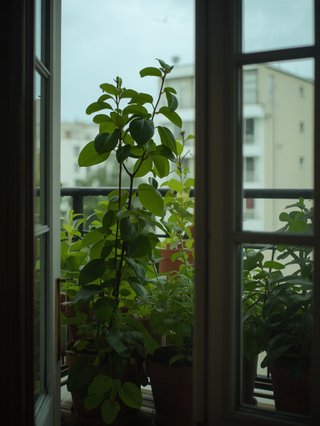
Estragon – a few words on cultivation
Estragon: Uses and Characteristics
Estragon – health benefits
Want to apply these guidelines in your daily diet?
Our smart diet generator creates a tailored meal plan in 3 minutes based on the recommendations in this article.

Lamer-Zarawska E. et al., Fitoterapia i leki roślinne, Warszawa 2017, 297. Iwaniuk A., Zioła pól, lasów i ogrodów, Warszawa 2017, 43–45. Ribnicky D.M. et al., Antihyperglycemic activity of Tarralin, an ethanolic extract of Artemisia dracunculus L., „Phytomedicine” 2006, 13(8), 550–557. Logendra S. et al., Bioassay-guided isolation of aldose reductase inhibitors from Artemisia dracunculus, „Phytochemistry” 2006, 67(14), 1539–1546. Kordali S. et al., Determination of the chemical composition of antioxidant activity of the essential oil of Artemisia dracunculus and of the antifugal and antibacterial activities of Turkish Artemisia absinthium A. dracunculus, A. santonicum, A. spicigera essential oils, „Journal of Agricultural and Food Chemistry” 2005, 53(24), 9452–9458. Watanabe J., Shinmoto H., Tsushida T., Coumarin and flavones derivatives from estragon and thyme as inhibitors of chemical mediator release from RBL-2H3 cells, „Bioscience, Biotechnology, and Biochemistry” 2005, 69(1), 1–6. Ribnicky D.M. et al., Toxicological evaluation of the ethanolic extract of Artemisia dracunculus L. for use as a dietary supplement and in functional foods, „Food and Chemical Toxicology” 2004, 42(4), 585–598. Sayyah M., Nadjafnia L., Kamalinejad M., Anticonvulsant activity and chemical composition of Artemisia dracunculus L. essential oil, „Journal of Ethnopharmacology” 2004, 94(2–3), 283–287. Engelmeier D. et al., Antifungal 3-butylisocoumarins from Asteraceae-Anthemideae, „Journal of Natural Products” 2004, 67(1), 19–25. Saadali B. et al., Alkamides from Artemisia dracunculus, „Phytochemistry” 2001, 58(7), 1083–1086. Kavvadias D. et al., Identification of benzodiazepines in Artemisia dracunculus and solanum tuberosum. Rationalizing their endogenous formation in plant tissue, „Biochemical and Biophysical Research Communications” 2000, 269(1), 290–295.
Diets Premium Expert
Diets Premium team expert. Specializes in nutrition plans, strength sports, and training plans.