Anemia in pregnancy: supposed physiological anemia vs actual iron and folic acid deficiency
Table of Contents 3
Medical & Editorial Disclaimer (§3 Terms): This article is for informational and educational purposes only, does not constitute medical advice, diagnosis, or treatment, and is used at your own risk. Consult a qualified physician for medical conditions.
Throughout gestation, the maternal cardiovascular system undergoes extensive hemodynamic remodeling characterized by an expansion of intravascular plasma volume that outpaces the growth of red blood cell mass. This adaptive hemodilution lowers vascular resistance, optimizes uteroplacental microcirculation, and naturally reduces baseline hemoglobin and hematocrit readings across trimester-specific diagnostic thresholds. Concurrently, cumulative iron requirements rise substantially as placental syncytiotrophoblasts express specialized transferrin receptors to actively transport iron toward the developing fetus, supporting fetal neurodevelopment, placental structure, and maternal erythroid expansion.
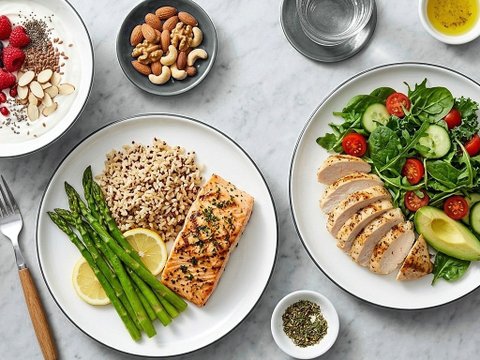
Practical nutritional management during pregnancy focuses on balancing pro-erythropoietic efficacy with optimal gastrointestinal tolerance. Incorporating lean meats, poultry, eggs, and non-heme botanical sources such as lentils, amaranth, and pumpkin seeds—systematically paired with ascorbic acid to enhance absorption—provides a strong dietary foundation. Because liver and organ meats contain excessive loads of preformed retinol that pose teratogenic risks, they remain strictly contraindicated, making clinician-guided supplementation with bioactive methylated folates, lactoferrin, and well-tolerated iron formulations an essential strategy for maintaining healthy maternal iron status.
Anemia represents one of the most prevalent hematological complications during gestation, carrying profound implications for maternal wellness and fetal organogenesis (including preterm labor, intrauterine growth restriction, and low birth weight). A vital clinical challenge lies in differentiating benign physiological hydremia of pregnancy (expansion of circulating plasma volume disproportionate to erythrocyte mass) from pathologic iron and folate depletion. This guide explores trimester-specific diagnostic thresholds, maternal-fetal iron transport, and obstetric nutritional therapy.
Cardiovascular Physiology in Pregnancy: Hydremia Gravidarum and WHO Diagnostic Criteria
Profound maternal hemodynamic remodeling fundamentally dictates the interpretation of blood indices:
- Physiological Hemodilution (Hydraemia Gravidarum): Maternal intravascular plasma volume expands by 40% to 50%, whereas red cell volume only expands by 20% to 30%. This adaptive hemodilution decreases vascular resistance, optimizes uteroplacental microcirculation, and reduces thromboembolic risks, naturally lowering baseline hemoglobin and hematocrit readings.
- Trimester-Specific Cutoffs (WHO and ACOG Guidelines): First Trimester: Hb threshold ≥ 11.0 g/dL; Second Trimester: physiological nadir permitting Hb ≥ 10.5 g/dL; Third Trimester: threshold returns to ≥ 11.0 g/dL. Readings dipping below these cutoffs establish absolute gestational anemia.
- Serum Ferritin Surveillance: Because volumetric changes distort hemoglobin concentrations, serum ferritin serves as the true indicator of maternal storage reserves. Ferritin levels falling below 30 ng/mL necessitate immediate therapeutic replenishment.
Maternal-Fetal Iron Flux and Demands: Protecting Fetal Neurodevelopment
Cumulative pregnancy iron demands exceed baseline requirements by more than twofold, totaling approximately 1,000 mg:
- Anatomical Distribution of Iron Load: Roughly 300 mg is actively translocated to the growing fetus, 50 mg incorporates into the placental disc, 500 mg supports maternal erythroid expansion, and 200 mg covers peripartum blood loss.
- Active Transplacental Uptake: Syncytiotrophoblasts express high densities of maternal transferrin receptor 1 (TfR1), actively sequestering iron against a chemical gradient. The fetus acts as a metabolic parasite, preserving its own erythropoiesis while depleting maternal tissue stores to exhaustion.
- Consequences of Severe Untreated Anemia: Severe maternal hypoxia (Hb < 8.5 g/dL) impairs placental villous vascularization, elevating intrauterine growth restriction risks, impairing neonatal neurogenesis, and multiplying rates of severe postpartum depression.
Nutritional Therapy and Supplementation: Iron, Active Folates, Lactoferrin, and Bowel Tolerance
Obstetric nutritional interventions must balance hematological efficacy with gastrointestinal tolerance:
- Pro-Erythropoietic Dietary Construction: Incorporating lean meats, poultry, eggs, and non-heme botanicals (lentils, amaranth, pumpkin seeds) systematically paired with ascorbic acid. Liver and organ meats remain strictly contraindicated due to teratogenic preformed vitamin A (retinol) loads.
- Methylated Folate Requirements (5-MTHF): Continued supplementation with 400 to 800 mcg daily of bioactive calcium L-methylfolate supports continuous red cell precursor nucleic acid synthesis and prevents megaloblastic maturation arrest across all trimesters, circumventing common MTHFR polymorphisms.
- Bovine Lactoferrin as an Adjuvant: Supplementing 100 to 200 mg of oral lactoferrin downregulates systemic hepcidin expression, safely enhancing endogenous iron recycling and intestinal transport without provoking the gastrointestinal irritation typical of inorganic iron salts.
- Minimizing Gastrointestinal Side Effects: Utilizing iron bisglycinate chelate on alternate days ensures high bio-absorption, mitigates severe maternal constipation, and protects the colonic microbiome.
Want to apply these guidelines in your daily diet?
Our smart diet generator creates a tailored meal plan in 3 minutes based on the recommendations in this article.

mgr żelaza hemowego i niehemowego. Bardzo cenną informacją jest fakt, iż wzrost przyswajalności żelaza poprawia 2 – 3 krotnie obecność witaminy C w pożywieniu . Dlatego niejednokrotnie lekarze zalecają popijanie suplementów diety z żelazem wodą z sokiem z cytryny. Warto również wzbogacić jadłospis w potrawy zawierające tę witaminę. Pożywienie może także wpływać na obniżenie przyswajania żelaza, do produktów o takim działaniu zaliczamy m.in. kawę i herbatę . Należy unikać tych napojów półtorej godziny przed i po posiłku. Nie wskazane jest również spożywanie produktów mlecznych, żółtego sera i produktów z niefermentowanej soi. Źródła żelaza hemowego Źródła żelaza niehemowego mięso: mięso czerwone, wątroba, podroby;ryby: tuńczyk;jajka: żółtko jaja herbata z pokrzywy;kiełki fasoli mung;sok z buraka, marchewki i jabłka;morele suszone (niesiarkowane);zielone koktajle ze spiruliną, chlorellą, pędami jęczmienia Sposób żywienia przyszłej mamy ma kluczowe znaczenie w odpowiednim rozwoju płodu. Podstawowe założenia to regularność i urozmaicenie oraz 5 posiłków dziennie, gdyż okres ciąży zwiększa zapotrzebowanie na żelazo, kwas foliowy oraz wit. B12, a brak urozmaicenia znacznie zwiększa prawdopodobieństwo wystąpienia anemii, szczególnie wśród wegetarian. Ważna jest znajomość objawów i szybka interwencja w celu zapobiegnięcia niekorzystnemu wpływowi na organizm dziecka.
• 23.10.2026Diets Premium Expert
Diets Premium team expert. Specializes in nutrition plans, strength sports, and training plans.