What Dishes Can Be Prepared with Melon? Which Varieties Exist and What Are Their Nutritional Values?
Smart Voice
AITable of Contents 5
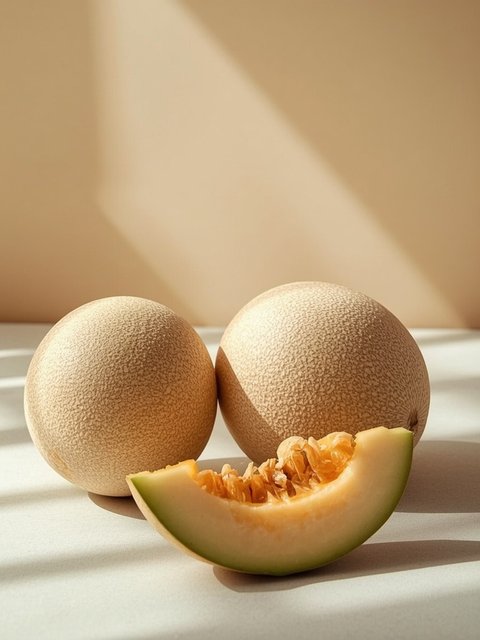
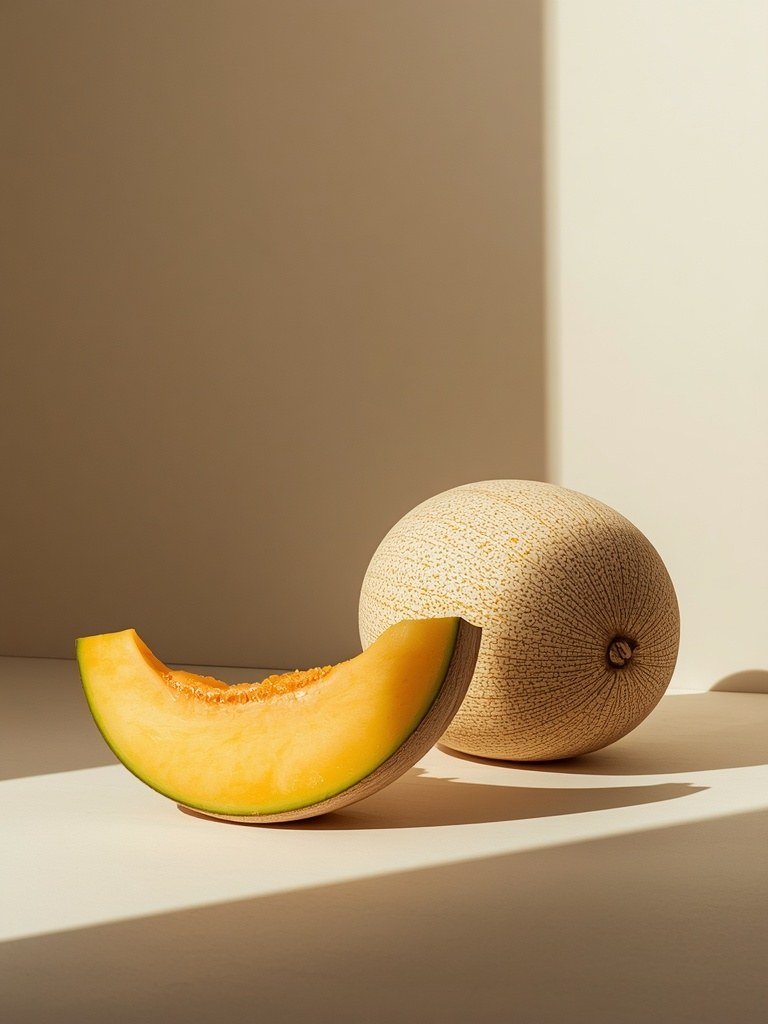
Netted galia-type melon featuring a juicy, creamy pale-green pulp with a maximum rind thickness of 10 millimeters
This particular melon cultivar stands out due to its distinctive external appearance, as its outer rind is enveloped in a fine, reticulated netting pattern that forms a recognizable texture. Inside, it conceals an exceptionally fragrant, creamy off-white pulp with subtle greenish undertones, characterized by pronounced sweetness and succulence. Owing to these attributes, it serves as an excellent component in fruit compositions, desserts, or as a refreshing standalone snack. Furthermore, owing to its substantial potassium content—a key electrolyte—regular consumption of this fruit may contribute to maintaining optimal arterial blood pressure levels, thereby representing a valuable element in cardiovascular health maintenance.
Honeydew melon variety featuring a yellow-green rind and juicy, pale green flesh
The color diversity of melons: from snow-white to vibrant green and golden-yellow
Depending on the specific cultivar, melons may exhibit a broad spectrum of hues—ranging from pristine white and soft orange tones to sunlit yellow and delicate green shades. Each variety possesses a distinct flavor and aromatic profile, though the majority are characterized by pronounced sweetness and exceptional juiciness. Beyond their culinary appeal, the nutritional and health-promoting attributes of these fruits are equally noteworthy. Despite their substantial natural sugar content, melons remain relatively low in calories. They serve as a valuable source of beta-carotene—a precursor to vitamin A—as well as folic acid, pectin (which supports digestive regulation), and an array of B vitamins, vitamin C, and essential minerals, including potassium (which aids electrolyte balance), iron (critical for hematopoiesis), and magnesium (which governs muscle and nervous system function).
Cantaloupe melon: A nutrient-dense, antioxidant-rich fruit with African origins and extensive health-promoting properties
What do you do with the melon?
Want to apply these guidelines in your daily diet?
Our smart diet generator creates a tailored meal plan in 3 minutes based on the recommendations in this article.

mgr Literatura: Ríos J. L ., Andújar I ,, Escandell J, M ., Giner R. M ., Recio M. C ., Cucurbitacins as inducers of cell death and a rich source of potential anticancer compounds. Curr Pharm Des. ;18(12):1663-76, Henrich C. J ., Thomas C. L ., Brooks A. D ., Booth N. L ., Lowery E. M ., Pompei R. J ., McMahon J. B ., Sayers T. J . Effects of cucurbitacins on cell morphology are associated with sensitization of renal carcinoma cells to TRAIL-induced apoptosis. Apoptosis. Jan;17(1):79-89. doi: 10.1007/s10495-011-0652-7, Recio MC , Prieto M , Bonucelli M , Orsi C , Máñez S , Giner RM , Cerdá-Nicolás M , Ríos J. L ., Anti-inflammatory activity of two cucurbitacins isolated from Cayaponia tayuya roots. Planta Med. May; 70(5):414-20, Chew B. P ., Park J. S ., Carotenoid action on the immune response. J Nutr. Jan; 134(1):257S-261S.
Diets Premium Expert
Diets Premium team expert. Specializes in nutrition plans, strength sports, and training plans.