The use of soy milk as a substitute for animal milk in the therapy of food allergies in infants and young children
1 photo
767
Smart Voice
AI
0:00
0:00
Listen to the article content live
Table of Contents 2
Medical & Editorial Disclaimer (§3 Terms): This article is for informational and educational purposes only, does not constitute medical advice, diagnosis, or treatment, and is used at your own risk. Consult a qualified physician for medical conditions.
Clinical E-Books & Diet Plans:
Explore E-Books & Plans →
Key Takeaways
The utilization of beverages derived from fermented soybean seeds represents a crucial area of interest within pediatric nutrition and the broader category of dairy-free beverages. This topic matters greatly to caregivers and clinical professionals navigating elimination diets for infants and toddlers who experience digestive discomfort. Understanding the nutritional composition of plant-based substitutes helps ensure that dietary adjustments are managed safely and effectively.
From a physiological standpoint, these soybean beverages are naturally free from lactose and provide essential B-complex vitamins, including thiamine, riboflavin, and niacin, which contribute to normal neurological function and metabolic regulation. However, current medical consensus emphasizes that soy-based items should not be viewed as a treatment for food allergies against animal milk proteins. Although a child might tolerate the beverage initially without immediate issues, soy itself can act as a potent allergen, potentially triggering delayed adverse immune reactions after a period of regular consumption.
For daily health and nutrition practices, this means that caregivers must exercise caution when selecting milk substitutes for children. While unsweetened soy drinks offer convenience for addressing primary or secondary lactase deficiency, introducing them in the presence of diagnosed allergies requires close clinical supervision. Monitoring the child carefully for any emerging symptoms ensures that dietary management remains safe, balanced, and responsive to individual physiological needs.
Beverages derived from fermented soybean seeds represent a nutritionally viable substitute for conventional cow’s milk, particularly within elimination diets prescribed for infants diagnosed with cow’s milk protein allergy. Their composition mirrors a comparable protein content (approximately 3.5 g per 100 mL) while maintaining a balanced lipid profile (2 g/100 mL) and carbohydrate concentration (2.9 g/100 mL). Notably, this product is inherently lactose-free, rendering it a safe option for patients with primary or secondary lactase deficiency. Furthermore, it serves as an abundant source of B-complex vitamins—including thiamine (B₁), riboflavin (B₂), and niacin (B₃)—which are essential for optimal neurological function and metabolic regulation within the body.
01 / 02
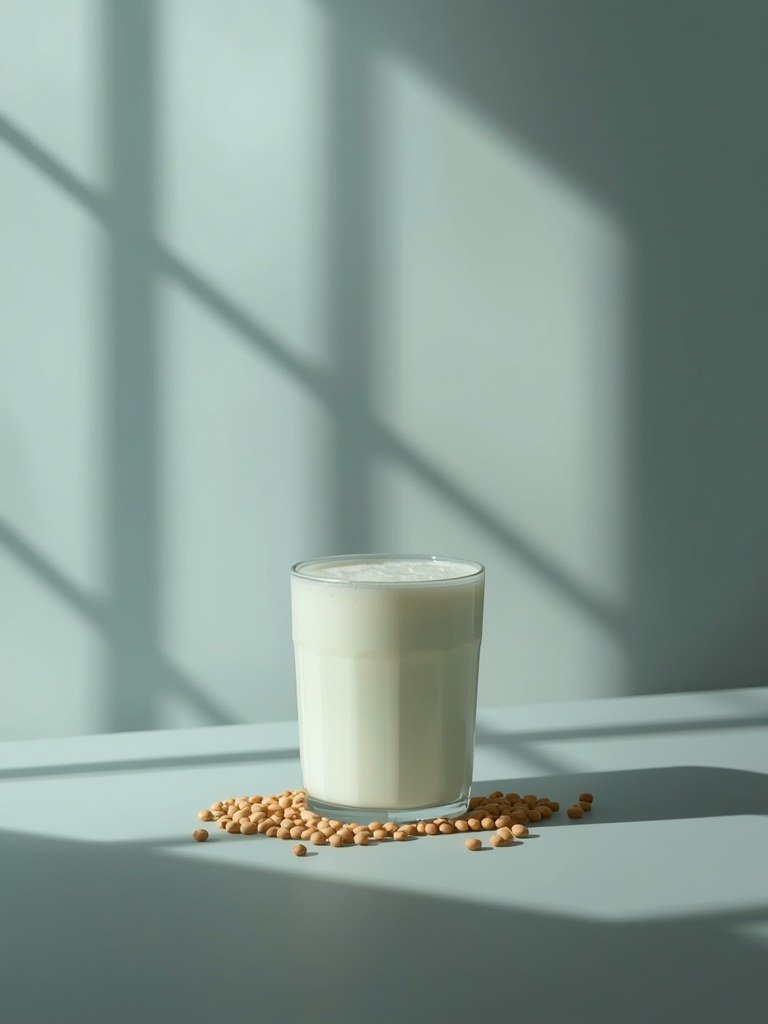
Soy milk for infants
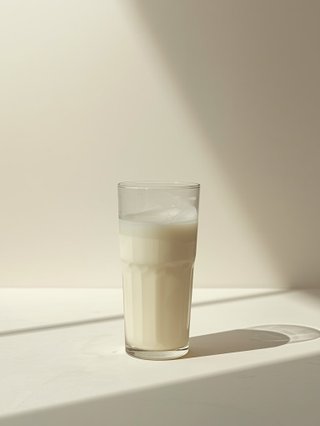
A convenient and good alternative for children who do not tolerate lactose-containing dairy products is sugar-free soy milk. Soy milk products do not have lactose in their composition, so they are safe for children with lactose intolerance, come in a variety of flavors and shapes.
02 / 02
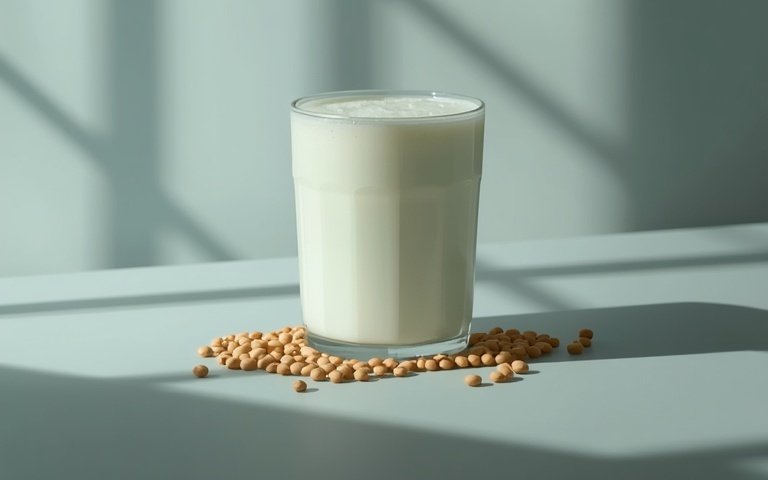
Soy milk for allergic children
It is a common belief that in children who are allergic to cow's milk, dairy products can be substituted with soy products. The current medical opinion is that soy products are not used in the treatment of food allergy. As mentioned earlier, soy may be an allergen that increases the allergic reaction. Soy milk may be well tolerated by the child at the beginning. However, after a certain period of time, symptoms of allergy may occur.
Meal Plan
Want to apply these guidelines in your daily diet?
Our smart diet generator creates a tailored meal plan in 3 minutes based on the recommendations in this article.
Tags

Laura Schneider
• 25.11.2026Diets Premium Expert
Diets Premium team expert. Specializes in nutrition plans, strength sports, and training plans.