Characteristics of functional drinks: key differences between isotonic and stimulating preparations and their impact on human physiology

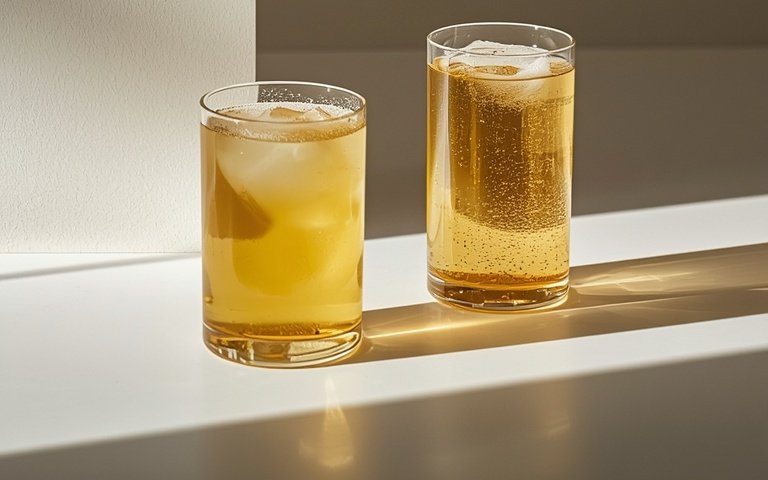
Table of Contents 2
Medical & Editorial Disclaimer (§3 Terms): This article is for informational and educational purposes only, does not constitute medical advice, diagnosis, or treatment, and is used at your own risk. Consult a qualified physician for medical conditions.
The text elucidates how various functional beverages operate at a cellular level to ensure optimal hydrational balance, regulate water and electrolyte homeostasis, or facilitate the restoration of muscular energy reserves, particularly glycogen stores. Furthermore, it addresses the targeted influence of certain beverage categories on the nervous system, which can enhance concentration and cognitive performance, emphasizing the importance of precise dosage.
For daily life, this implies that beverage selection should always be tailored to individual metabolic requirements and the specific context. While some beverages support rapid fluid intake and electrolyte balance, others can be strategically utilized to boost mental alertness. A conscious decision based on an understanding of their mechanisms of action is paramount to achieving desired health and performance benefits.
Each category of functional beverages exhibits a unique mechanism of action within the human body. The first group ensures optimal hydrational balance, whereas the second systematically facilitates the regulation of water and electrolyte homeostasis. The third variant provides invaluable support in the process of muscular energy restoration, particularly with regard to glycogen reserve replenishment. The fourth category, when administered in a precisely calibrated dosage, exerts a substantial influence on nervous system function—enhancing concentration capabilities and stimulating heightened cognitive performance. Four distinct action profiles correspond to four separate beverage types, each representing the optimal solution within its dedicated domain, provided they are tailored to the individual metabolic requirements of the organism.
Osmolality biophysics: hypotonic, isotonic, and hypertonic hydration solutions
Osmolality defines the concentration of osmotically active solute particles per kilogram of solvent. Using physiological human plasma osmolality (280–300 mOsm/kg H2O) as the baseline benchmark, functional beverages are categorized into three distinct biophysical classes:
- Hypotonic Beverages (< 270 mOsm/kg H2O): Formulated with 1–3% carbohydrate. Exhibit the most rapid gastric clearance, prioritizing rapid transcellular water movement during non-exhausting exertion in heat.
- Isotonic Beverages (270–330 mOsm/kg H2O): Containing 4–8% carbohydrate paired with sodium. Deliver optimal balance between net water absorption kinetics and glycogen substrate delivery during bouts exceeding 60 minutes.
- Hypertonic Beverages (> 330 mOsm/kg H2O): Concentrations exceeding 8–10% carbohydrate (fruit juices, recovery carbo shakes). Exert transient osmotic water shifts into the gut lumen, prioritizing glycogen replenishment over acute rehydration.
Energy drinks versus sports beverages: cardiotoxicity of central stimulants
Confusing rehydrating sports beverages with stimulating energy drinks represents a dangerous health hazard. Energy drinks are completely unsuited for hydration and exert substantial cardiovascular stress:
- Formulated with high caffeine concentrations (32 mg/100 mL, yielding 80–160 mg per can) combined with taurine, glucuronolactone, and guarana.
- Exert profound hypertonicity (10–12% refined sugar), triggering gastrointestinal distress and cramping if ingested around vigorous exercise.
- Induce acute peripheral vasoconstriction, elevated mean arterial pressure, and prolongation of the electrocardiographic QTc interval, precipitating fatal ventricular arrhythmias during high-demand physical exertion.
Want to apply these guidelines in your daily diet?
Our smart diet generator creates a tailored meal plan in 3 minutes based on the recommendations in this article.
Tags

Sophia Williams
• 25.11.2026Diets Premium Expert
Diets Premium team expert. Specializes in nutrition plans, strength sports, and training plans.