The Role of Spices in a Children's Diet – Beneficial, Permissible, and Contraindicated Flavorings
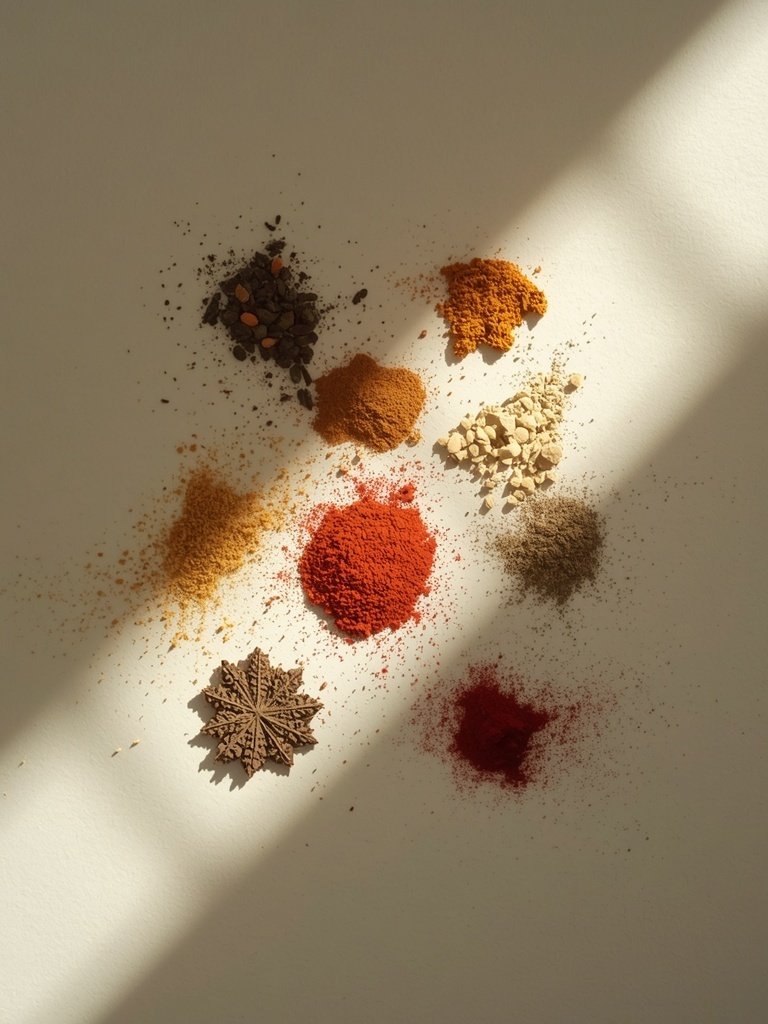
Table of Contents 3
Medical & Editorial Disclaimer (§3 Terms): This article is for informational and educational purposes only, does not constitute medical advice, diagnosis, or treatment, and is used at your own risk. Consult a qualified physician for medical conditions.
From a physiological standpoint, targeted botanicals actively nurture the delicate gastrointestinal tract of growing infants. Carminative herbs such as fresh dill and marjoram possess soothing properties that help ease infant colic and digestive discomfort. Ground caraway facilitates the enzymatic breakdown of complex starches in vegetable purees, while fresh parsley delivers bioavailable plant iron and vitamin C. Conversely, added sodium chloride is strictly contraindicated due to the burden it places on immature kidneys, and fiery components containing capsaicin alongside black peppercorns must be completely avoided as they irritate sensitive oral and intestinal mucosa.
For daily nutrition management, caregivers should adopt a patient, single-ingredient introduction strategy. Introducing one mild herb at a time in minute quantities allows for clear monitoring of individual tolerance and digestability. Parents should exclusively select fresh organic botanicals or pure single-ingredient dried spices devoid of added salt, synthetic sweeteners, anti-caking agents, or commercial flavor enhancers. Eliminating added salt safeguards renal health while establishing healthy, lifelong dietary habits centered on wholesome flavor appreciation.
The foundational development of taste preferences begins in utero and during lactation, accelerating dramatically during complementary feeding introduction after 6 months of age. Pervasive misconceptions often lead caregivers to avoid seasonings entirely, serving bland, uninspiring purees. In reality, introducing natural herbs and gentle spices is not only developmentally safe but exceptionally beneficial: it cultivates broad palate acceptance, stimulates digestive secretions, and supplies natural phytonutrients. However, parental discernment is essential to clearly delineate gentle, therapeutic botanicals from contraindicated additives such as sodium chloride, synthetic flavor enhancers, and fiery irritants.
When and How to Safely Introduce Herbs and Spices in Infant Weaning
Introducing culinary herbs and mild spices can commence safely during complementary feeding around 7–8 months of age, once single-ingredient vegetables and fruits have been established. The golden rule is introducing a single botanical flavoring at a time in minute pinches, monitoring for tolerance over 2–3 days to rule out rare allergic reactions. Caregivers should prioritize fresh organic herbs or certified single-ingredient dried spices devoid of added sodium, sweeteners, or anti-caking agents. Exposing infants to natural herbaceous flavors builds robust sensory familiarity, significantly mitigating toddler food neophobia and picky eating behaviors later in childhood.
Beneficial Botanicals: Dill, Marjoram, Ceylon Cinnamon, Cumin, and Parsley
The most nurturing, well-tolerated botanicals for infant and toddler meals include:
• Fresh Dill and Marjoram: Carminative and antispasmodic properties soothe infant colic and digestive gas.
• Ground Caraway/Cumin: Facilitates smooth enzymatic breakdown of complex starches and root purees.
• Fresh Curly/Flat Parsley: A superb whole-food source of bioavailable vitamin C and plant iron, stirred in raw immediately before serving.
• Basil, Oregano, and Thyme: Rich in gentle antimicrobial terpenes supporting digestive flora.
• True Ceylon Cinnamon (Cinnamomum verum): Perfect for oatmeal, porridge, and stewed apples; it is critical to select true Ceylon over common Cassia cinnamon, which contains hepatotoxic coumarin.
Contraindicated Additives: Added Sodium, Fiery Capsaicin, MSG, and Commercial Seasonings
Strict pediatric contraindications must be enforced regarding specific culinary additives:
1. Table Salt (Sodium Chloride): Absolutely prohibited under 12 months and heavily restricted in young children. Immature infant kidneys cannot clear elevated sodium loads, predisposing them to hypernatremic dehydration and vascular strain.
2. Fiery Spices (Chili, Cayenne, Hot Paprika, Black Peppercorn): Capsaicin chemically irritates delicate immature gastrointestinal and oral mucosa.
3. Commercial Seasoning Cubes and All-Purpose Vegetable Salts: Typically laden with up to 60–80% sodium, monosodium glutamate (MSG), refined sugar, and synthetic flavorings.
4. Excessive Nutmeg: Contains psychoactive myristicin, which can induce toxic central nervous system side effects even in modest accidental pediatric ingestions.
Want to apply these guidelines in your daily diet?
Our smart diet generator creates a tailored meal plan in 3 minutes based on the recommendations in this article.
Tags

Wojciech Wiśniewski
• 25.11.2026Diets Premium Expert
Diets Premium team expert. Specializes in nutrition plans, strength sports, and training plans.