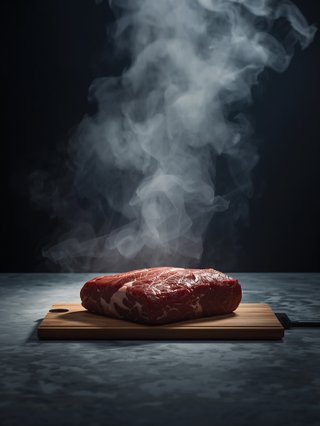
The role of meat products in the diet of young children – which types to choose, how to prepare them, and should you insist if the little one rejects this ingredient?
1 photo
754
Smart Voice
AI
0:00
0:00
Listen to the article content live
Table of Contents 3
Medical & Editorial Disclaimer (§3 Terms): This article is for informational and educational purposes only, does not constitute medical advice, diagnosis, or treatment, and is used at your own risk. Consult a qualified physician for medical conditions.
Clinical E-Books & Diet Plans:
Explore E-Books & Plans →
Key Takeaways
Meat-derived products play a foundational role in supporting the healthy growth of a child’s body, which is why their early incorporation into an infant’s dietary plan is strongly advocated by pediatric experts. This topic is critically important for parents seeking to build a robust nutritional foundation that fosters proper energy metabolism and overall well-being during early childhood. Understanding how to select and introduce these foods correctly helps prevent nutritional gaps and encourages lifelong healthy eating habits.
From a physiological standpoint, lean poultry, beef, veal, lamb, and rabbit offer an exceptional nutritional profile characterized by complete proteins containing all essential amino acids. They also serve as dense sources of B-complex vitamins and highly bioavailable heme iron, which are vital for cognitive function and physical development. When a child initially rejects meat, it is essential to investigate underlying sensory or texture issues rather than forcing consumption, adapting the culinary preparation to match the child's developmental stage.
Actionable guidance focuses on preparing visually appealing, tender dishes by finely mincing ingredients like turkey and combining them gently with herbs and wholesome plant oils to improve palatability and ease of chewing. By maintaining a patient, relaxed approach at the family table and varying recipes thoughtfully, caregivers can successfully integrate these nourishing components into daily meals without stress.
Meat-derived products play a foundational role in supporting the healthy growth of a child’s body, which is why their early incorporation into an infant’s dietary plan is strongly advised by pediatricians and nutrition experts. They are distinguished by an exceptional nutritional profile, providing high-quality, readily digestible complete protein that includes all essential exogenous amino acids. Additionally, they serve as a rich source of B-complex vitamins—including thiamine (B1), riboflavin (B2), niacin (PP), and cobalamin (B12)—as well as trace minerals such as zinc and iron in the highly bioavailable heme form. Meat also contains arachidonic acid, which is critical for brain development, and carnitine, which facilitates energy metabolism. Which specific types of meat should form the cornerstone of a child’s diet, and which varieties should be offered only sporadically to ensure a balanced nutritional intake?
01 / 03
Meat in a child's diet
Meat plays an important role in a child's diet due to its source of complete protein, vitamins, and mineral and carnitine content. Recommended types of meat in the diet of young children are lean, unmarbled, and unfatted pieces of poultry, beef, veal, lamb, and rabbit. The mentioned types of meat are relatively easy to digest and do not provide excessive amounts of saturated fats. In the child's diet, pork should be limited/eliminated because, unlike the aforementioned meats, it is heavy to digest and contains large amounts of saturated fatty acids, which are not beneficial for health. The recommended culinary preparations for meat for children are primarily boiling in water (from boiling), steaming, stewing in own sauces, and baking in foil (not browning). It is worth using small amounts of vegetable fats in the form of oils, as well as herbs and spices, from the mentioned options. Rapeseed oil and olive oil are particularly recommended because they have a proper ratio between monounsaturated and polyunsaturated fatty acids, with oleic acid dominating the polyunsaturated ones. Children enjoy seasoned food, so do not be afraid of various herbs and spices, but add salt and sugar in limited amounts. According to the recommendations of Polish Experts, lean, cooked, and minced meat should be introduced into the baby's diet at 7–8 months of age in an amount of approx. 10 g daily, adding it to mashed cooked vegetables. The amount should be gradually increased so that the child consumes 20 g of meat daily before completing 1 year of life. For children aged 1–3 years, dishes made with good quality ground meat (preferably homemade), from which meatballs or patties can be prepared in their own or tomato sauce, are recommended. For older children, it is recommended to gradually introduce meat served in pieces, well cooked, and subjected to other culinary methods. The question arises as to how often meat should be served to children. Similar recommendations apply to both poultry (turkey, chicken, goose, duck) and red meat (beef, veal, lamb), not more than 2–3 times a week. It is worth serving children different types of meat because each type is a source of different nutrients in varying proportions. Another argument is the potential possibility of the chosen type of meat being contaminated with substances harmful to health, such as hormones or antibiotics. By choosing different types, we reduce the risk of toxin accumulation in the child's body.
02 / 03
When a baby doesn't want to eat meat
Meat should be on a child's diet, but what should be done when the child refuses to eat it? The first solution is to investigate the cause of the refusal to eat meat. Perhaps the food given to the child is made from meat that he does not like or its shape makes it difficult to consume (too hard, uncooked, crumbly, hard to bite). In this case, it is worth making sure that the meat given is varied and that it is aesthetically pleasing and encouraging to eat.
03 / 03
Meat for children recipes
Preparation: cut the meat from the turkey into small pieces so that it can be added to the sausage sticks. Then slightly straighten with the herbs. Likewise, proceed with the other ingredients. Start with the bakery, and then, in order, put in pieces of poppy, olive oil and turkey meat. Cook the meat in a full-bodied form on a sugar-sweetened saucepan and in a finely ground sauce pan.
Meal Plan
Want to apply these guidelines in your daily diet?
Our smart diet generator creates a tailored meal plan in 3 minutes based on the recommendations in this article.
Tags

Mia Hoffmann
• 25.11.2026Diets Premium Expert
Diets Premium team expert. Specializes in nutrition plans, strength sports, and training plans.