Practical strategies for reducing food intake without feeling hungry – how to effectively decrease portions and achieve a healthy weight


Table of Contents 5
Medical & Editorial Disclaimer (§3 Terms): This article is for informational and educational purposes only, does not constitute medical advice, diagnosis, or treatment, and is used at your own risk. Consult a qualified physician for medical conditions.
The regulation of fullness is a complex neuroendocrine process involving gastric stretch receptors and specific gut hormones that signal satisfaction to the brain. By prioritizing foods with high water and fiber content, one can increase the physical volume of a meal while maintaining a balanced energy profile. Furthermore, the inclusion of high-quality protein and viscous fibers plays a critical role in slowing gastric motility and prolonging the postprandial state of fullness, which helps to naturally suppress appetite for several hours.
Practical strategies for daily life include distinguishing between true somatic hunger and emotional cravings, as well as maintaining proper hydration before meals. Utilizing psychological cues, such as serving food on smaller plates, can enhance the perception of abundance and satisfaction. Additionally, adopting a slower eating pace, chewing thoroughly, and minimizing screen distractions during meals are essential habits that allow the body to register satiety signals accurately, ultimately supporting a more mindful and successful approach to weight management.
The moment we observe that the scale displays a number exceeding our expectations, our instinctive response is to reduce the volume of food we consume. Yet the critical question remains: is there a feasible way to eat smaller quantities without experiencing persistent hunger? How can these adjustments be implemented in a balanced manner so that the body does not perceive an energy deficit, and the weight loss process unfolds smoothly, without placing undue stress on metabolism?
Physiology of Satiety – Ghrelin, Leptin, and Gastric Stretch Mechanoreceptors
Satiety regulation is an intricate neuroendocrine cascade. When the stomach is vacant, endocrine cells within the gastric fundus synthesize ghrelin, activating orexigenic neurons in the arcuate nucleus. As ingested food expands the gastric cavity, stretch mechanoreceptors trigger vagal afferents signaling mechanical fullness. Concurrently, the postprandial entry of nutrients into the duodenum and ileum prompts secretion of gut satiety peptides: cholecystokinin (CCK), peptide YY (PYY), and glucagon-like peptide-1 (GLP-1). This neurochemical feedback loop requires 15–20 minutes to register centrally.
The Volumetrics Paradigm – Maximizing Volume While Lowering Caloric Density
Pioneered by Dr. Barbara Rolls, the Volumetrics methodology is among the most clinically validated approaches to sustainable weight control. It builds upon the empirical fact that humans intuitively consume a consistent mass and volume of food daily, regardless of total energy density. By systematically substituting energy-dense staples (fried items, fatty cheeses, confectionery) with water- and fiber-rich alternatives (leafy greens, cruciferous vegetables, summer squash, broth-based vegetable soups), individuals achieve robust stomach distension at a fraction of caloric cost.
Protein Leverage and Viscous Fiber in Prolonging Postprandial Fullness
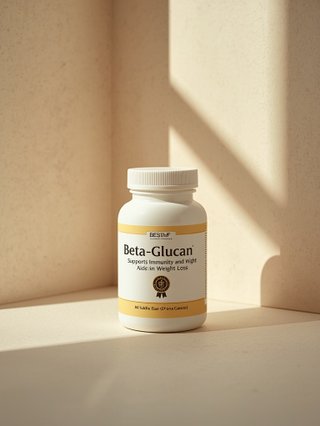
Dietary protein possesses the highest satiety index of all macronutrients. Consuming 25–35 grams of high-quality protein per meal (poultry, wild fish, eggs, cottage cheese, legumes) elicits the most pronounced elevation of PYY and GLP-1 while suppressing postprandial ghrelin for 4–5 hours. Equally potent is viscous soluble fiber (oat beta-glucans, fruit pectins, psyllium husk), which forms a gelatinous matrix within the gastric chime. This slows gastric motility, delays carbohydrate absorption, and flattens glycemic spikes, eliminating reactive hunger crashes.
Plate Psychology – The Delboeuf Illusion and Eating Pace Optimization
Visual cues significantly govern cognitive satiety appraisals before metabolic feedback occurs. The classic Delboeuf optical illusion demonstrates that identical food portions presented on large plates are perceived as meager, instigating feelings of deprivation, whereas served on smaller diameter plates, they appear generously abundant. Furthermore, decelerating eating cadence—placing utensils down between bites, masticating each mouthful 15–20 times, and dining without screen distractions— permits hormonal signaling to register timely satiety, organically decreasing ad libitum energy intake by 10–15%.
Differentiating Physical from Emotional Hunger and Pre-Meal Hydration
A pervasive etiology of hyperphagia is misinterpreting dehydration or emotional impulses as true caloric need. Physiological somatic hunger develops progressively, localizes to the epigastrium (borborygmi, gnawing sensations), and is contented by any whole food. Conversely, emotional hunger strikes precipitously, demands immediate gratification with specific hyperpalatable comfort foods, and stems from psychological tension. Consuming 400–500 ml of pure water approximately 20–30 minutes before dining distends gastric mechanoreceptors, substantially reducing voluntary caloric intake.
Want to apply these guidelines in your daily diet?
Our smart diet generator creates a tailored meal plan in 3 minutes based on the recommendations in this article.
Tags

Anna Schmidt
• 25.11.2026Diets Premium Expert
Diets Premium team expert. Specializes in nutrition plans, strength sports, and training plans.