The Role of Gluteal Muscles in Strength Training


Table of Contents 9
Medical & Editorial Disclaimer (§3 Terms): This article is for informational and educational purposes only, does not constitute medical advice, diagnosis, or treatment, and is used at your own risk. Consult a qualified physician for medical conditions.
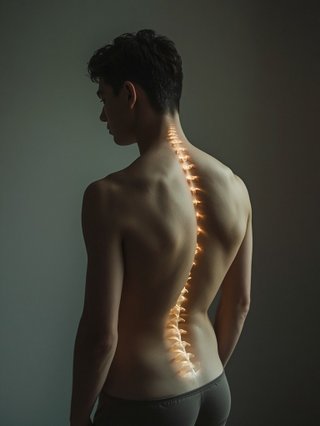
The text delves into the anatomy of the gluteal muscles, describing the various muscle types and their functions, as well as their composition of slow-twitch and fast-twitch muscle fibers. It explains how these muscles work together to stabilize the pelvis and maintain a neutral position, which is paramount for an upright posture and the protection of the lumbar region. Activating these muscles before the actual workout is highlighted as key to maximizing training outcomes.
Practical guidance on stimulating and perceiving the gluteal muscles is provided to foster effective development. Exemplary exercises such as hip thrusts with a barbell, classic deadlifts, and low-bar squats are presented, specifically targeting the gluteal muscles. The focus is on correct execution and conscious concentration on the target muscles to achieve optimal progress in strength and endurance, thus sustainably supporting back health.
This article is professional premium content (PRO) provided in its entirety.
Anatomy of the gluteal muscles
Segmentation of muscle fibers
The significance of the buttocks during strength exercises
Stimulation of the activation of the gluteal muscles
Perception of muscles
Exemplary exercises aimed at developing pelvic muscles
Lifting the hips using a bench and a barbell hip thrust
A classic deadlift with a barbell
Low-bar squat with barbell
Want to apply these guidelines in your daily diet?
Our smart diet generator creates a tailored meal plan in 3 minutes based on the recommendations in this article.

Laura Schneider
Diets Premium Expert
Diets Premium team expert. Specializes in nutrition plans, strength sports, and training plans.