Key Takeaways
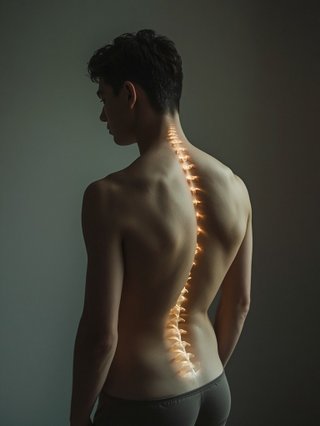
Parkinson's disease is a chronic and progressive neurodegenerative condition that fundamentally impacts the basal ganglia and the extrapyramidal system, particularly within the substantia nigra. These vital brain structures govern automatic motor control, fluid physical movement, balance, and postural stability. As specialized neurons degenerate, the resulting depletion of the neurotransmitter dopamine disrupts cellular communication throughout the central nervous system. Gaining a clear perspective on this physiological process is essential for understanding how targeted therapeutic and lifestyle strategies support long-term functional mobility.
The clinical presentation involves core motor symptoms including bradykinesia, muscular rigidity, resting tremors, postural instability, and diminished facial expression. While the precise etiology of neuronal loss remains largely unknown, specific genetic factors involving the alpha-synuclein protein contribute to disease development in certain individuals. Clinical evaluation relies on thorough symptom tracking and differentiating Parkinson's from related neurological disorders. Medical intervention primarily focuses on restoring dopaminergic signal transmission through pharmacotherapy, alongside surgical options like deep brain stimulation for managing motor fluctuations in advanced stages.
Nutritional optimization serves as a vital complementary pillar in daily disease management. Because dietary amino acids utilize the same transport pathways as primary dopaminergic medications, precise timing of meals relative to medication intake helps ensure optimal therapy effectiveness. Adjusting protein distribution toward evening meals can markedly stabilize daytime mobility. Additionally, consuming adequate fluid, dietary fiber, antioxidants, and bone-supporting nutrients helps mitigate common secondary challenges such as digestive slow-down, compromised bone density, and swallowing difficulties.
Parkinson's disease is a chronic progressive disorder affecting the nervous system primarily in the area known as the black substance and the extrapyramidal system. The black substance and the extrapyramidal system are responsible for the development and control of automatic, unconscious movements such as maintaining balance and proper body posture and they influence fluidity and the course of conscious movements. The main disadvantage of the degeneration of neurons in this region is a deficiency in the neurotransmitter dopamine, resulting in a disruption of signal transmission between brain cells.
07 / 07
Parkinson's disease the role of nutrition: other recommendations
Due to the prevalence of constipation among Parkinson's patients, an adequately high intake of fiber in the diet is extremely important. It is found primarily in vegetables and fruits, legumes, whole grains, dark, coarse cereals such as: whole wheat bread, brown rice, whole wheat pasta, buckwheat, barley groats, cereal flakes. For dietary fiber to fulfill its cleansing, peristalsis-stimulating function, it needs to swell, and this is ensured by an adequate intake of fluids, i.e. At least 1, 5–2 l/day. This intake should be increased if there are frequent drops in blood pressure when changing body position from sitting to standing (orthostatic hypotension). Additionally, somewhat unusually, contrary to common principles of rational nutrition, sodium intake should be increased in the diet by seasoning dishes generously. Pharmacotherapy used in Parkinson's disease may increase the need for certain vitamins, especially from group B, so it is worth paying attention to supplementing them. Sources of vitamin B6 include: yeast, wheat bran, meat, fish, legumes (soy, beans), whole grain products (e.g., buckwheat), nuts (walnuts, hazelnuts), cabbage, Brussels sprouts, spinach, bananas. Folic acid is found in: green vegetables (spinach, broccoli, Brussels sprouts, cabbage, parsley, lettuce, spinach), beets, nuts, bananas, oranges, legumes, cereal flakes. Vitamin B12, in turn, is mainly present in animal products, i.e. In meat, fish, eggs, and aged cheeses, algae (chlorella, spirulina) are the exception. The last vitamin that Parkinson's patients should ensure adequate intake of is niacin (vitamin PP), whose food sources include: meat, fish (tuna, salmon), peanuts, sunflower seeds, yeast. In summary, Parkinson's disease is a condition whose causes are not yet fully understood. Fortunately, there are effective methods for combating its symptoms, and one of them, whose role should not be overlooked, is proper nutrition.
Want to apply these guidelines in your daily diet?
Our smart diet generator creates a tailored meal plan in 3 minutes based on the recommendations in this article.