Soy is not always a companion to masculinity, it is often a waste


Table of Contents 5
The physiological impact of soy consumption on male endocrine balance, circulating testosterone, and athletic performance has long stirred debate among clinicians and fitness enthusiasts. The presence of isoflavones with structural affinity for estrogen receptors has fueled persistent concerns regarding feminization and androgen suppression. Grounded in robust clinical trials and meta-analyses, this article critically examines how soy genuinely affects male hormonal profiles, when it may suboptimal for muscle hypertrophy, and how to safely integrate it into a balanced regimen.
Soy phytoestrogens and isoflavones: molecular mechanisms and estrogen receptor binding affinity
Soybeans (Glycine max) are exceptionally rich in diphenolic secondary metabolites classified as isoflavones, predominantly genistein, daidzein, and glycitein. Because their chemical conformation mirrors that of endogenous 17β-estradiol, these molecules are broadly designated as phytoestrogens. A pivotal distinction in their biochemical behavior is receptor subtype selectivity: soy isoflavones exhibit markedly preferential affinity (roughly 20- to 30-fold higher) for estrogen receptor beta (ER-β) over estrogen receptor alpha (ER-α). Receptors of the ER-β subtype are predominantly expressed in tissues such as the prostate gland, cardiovascular endothelium, bone, and central nervous system, where they primarily mediate antiproliferative and protective biological responses.
Moreover, the intestinal microbiota metabolizes daidzein into equol, a non-steroidal estrogenic metabolite with heightened bioactivity synthesized by approximately 30–50% of Western individuals (termed 'equol producers'). Crucially, the intrinsic estrogenic potency of soy isoflavones is roughly 1,000 to 10,000 times lower than that of human estradiol. Consequently, isoflavones behave predominantly as selective estrogen receptor modulators (SERMs)—exerting weak agonistic effects under hypogonadal conditions while competitively antagonizing endogenous estrogens during states of heightened receptor saturation.
Impact of soy on male testosterone, SHBG, and fertility parameters: evidence from clinical trials
The preeminent concern among men contemplating soy consumption centers on the potential suppression of circulating total or free testosterone and an elevation of sex hormone-binding globulin (SHBG). A definitive systematic review and meta-analysis published in Reproductive Toxicology by Dr. Mark Messina and colleagues evaluated 41 randomized controlled trials (RCTs). The analysis conclusively demonstrated that neither soy protein intake nor isolated isoflavone supplementation (even at elevated doses up to 150 mg daily) exerted any statistically significant effect on circulating total testosterone, free testosterone, estradiol, or SHBG levels in adult men, irrespective of intervention duration or subject age.
Furthermore, controlled clinical evaluations examining male reproductive parameters—including sperm concentration, total count, progressive motility, and morphology—revealed no adverse changes following moderate soy intake. Isolated clinical case reports documenting gynecomastia or reduced libido uniformly involved extreme, aberrant consumption patterns, such as individuals drinking 3 liters of soy milk daily for extensive periods under mono-dietary conditions. Within standard nutritional thresholds (1–2 servings of whole-food soy per day), soy exhibits zero feminizing or androgen-depleting effects in human males.
Soy protein versus muscle hypertrophy: leucine threshold, DIAAS rating, and muscle protein synthesis
In athletic and strength-training settings, describing soy as 'suboptimal' or wasteful often stems from kinetic and amino-acid comparisons with dairy proteins. Soy protein isolate (SPI) is a complete protein supplying all essential amino acids (EAAs); however, it harbors a lower concentration of leucine (roughly 6–7 g per 100 g protein) compared to whey protein isolates, which contain 10–12 g leucine per 100 g. Because leucine serves as the primary metabolic trigger activating the mechanistic target of rapamycin complex 1 (mTORC1) to drive muscle protein synthesis (MPS), a standard 20-gram dose of soy protein may fall short of the required ~2.7–3.0 g leucine threshold.
Nevertheless, longitudinal training interventions confirm that when total daily dietary protein intake is maintained at sufficient levels (1.6–2.2 g per kilogram of body weight daily), long-term hypertrophy and strength gains show negligible divergence between soy and animal protein cohorts. To elicit equivalent peak MPS kinetics from soy supplements, athletes simply need to consume slightly larger serving sizes (35–40 g) or combine soy with complementary plant proteins rich in BCAAs. From an exercise physiology standpoint, soy protein remains a viable anabolic substrate when portion sizes are appropriately calibrated.
Antinutritional factors and digestive mechanics: phytic acid, protease inhibitors, and lectins
Raw, unconditioned soybeans harbor an array of plant defense compounds classified as antinutritional factors (ANFs). Among the most biochemically significant are protease inhibitors—predominantly Kunitz and Bowman-Birk inhibitors—which suppress pancreatic trypsin and chymotrypsin activity, impairing luminal peptide hydrolysis. Additionally, phytic acid (myo-inositol hexakisphosphate) avidly binds divalent mineral cations including zinc, magnesium, non-heme iron, and calcium, forming insoluble chelates that compromise intestinal absorption. For male athletes, preserving zinc and magnesium bioavailability is critical for testosterone regulation and neuromuscular recovery.
Fortunately, thermal and mechanical processing techniques—including moist heating, extrusion, and microbial fermentation—denature up to 90–98% of heat-labile protease inhibitors and substantially hydrolyze phytates. Fermented soy products such as tempeh, miso, and natto demonstrate vastly superior nutritional profiles, characterized by pre-digested proteins, deactivated antinutrients, and enhanced mineral bioavailability. Conversely, consuming poorly cooked, non-fermented bulk soy flours can trigger gastrointestinal distress, flatulence, and attenuated nutrient absorption.
Practical nutritional recommendations: safe thresholds, optimal product forms, and balanced integration
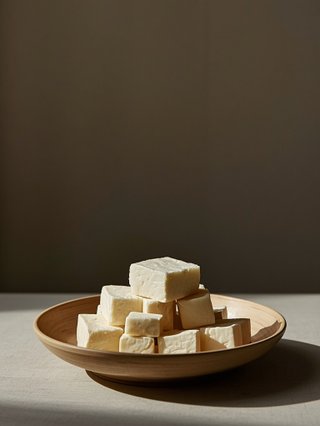
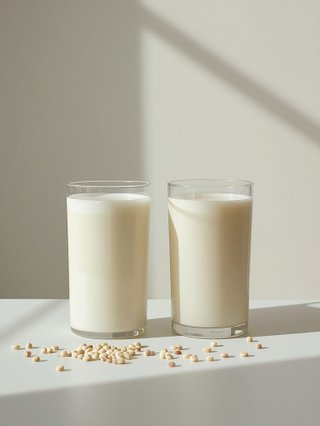
From the perspective of clinical sports nutrition, an optimal, safe, and health-promoting intake of soy for men spans 1 to 2 standard servings per day, translating to roughly 15–25 grams of soy protein and 30–50 mg of total isoflavones. Representative servings include 100 g of firm tofu, 150 g of fermented tempeh, 250 ml of calcium-fortified soy milk, or a cup of steamed edamame pods. At these physiological intakes, soy carries zero hormonal hazard while conferring substantiated cardiometabolic benefits, including modest reductions in LDL cholesterol and enhanced vascular elasticity.
To maximize physiological gains, men should prioritize whole-food and fermented varieties (tempeh, edamame, whole tofu) over ultra-processed analog meats laden with excess sodium and saturated vegetable fats. Strength athletes may comfortably integrate soy protein isolate alongside other high-quality protein sources throughout their nutritional schedule. Embracing moderation and nutritional variety ensures that soy remains a functional, completely safe asset rather than an endocrine liability.
Want to apply these guidelines in your daily diet?
Our smart diet generator creates a tailored meal plan in 3 minutes based on the recommendations in this article.
Tags

Kacper Nowak
Diets Premium Expert
Diets Premium team expert. Specializes in nutrition plans, strength sports, and training plans.