5 min read

Saturated fatty acids - Functions and health impact

Saturated fatty acids - Functions and health impact
1 photo
738

Smart Voice

AI
0:00
0:00
Listen to the article content live
Table of Contents 4
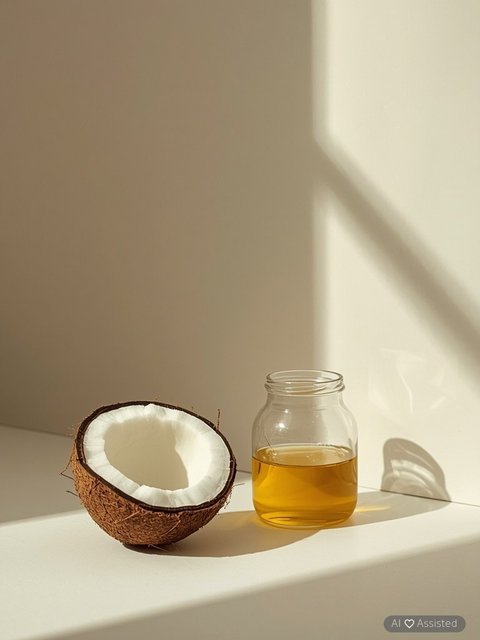
Fats in food are a source of fatty acids and a significant component of everyone's diet. This condensed energy form provides more than twice as many calories as proteins or carbohydrates. The physiological functions of dietary fats are determined by the presence of various types of fatty acids that have diverse effects on the human body [2]. Although most people link saturated fats with animal products, it's worth mentioning that they are also present in plant-based products such as coconut oil, cocoa butter, and palm kernel oil.
01 / 04

Saturated fatty acids: structural characteristics, dietary properties, and metabolic functions

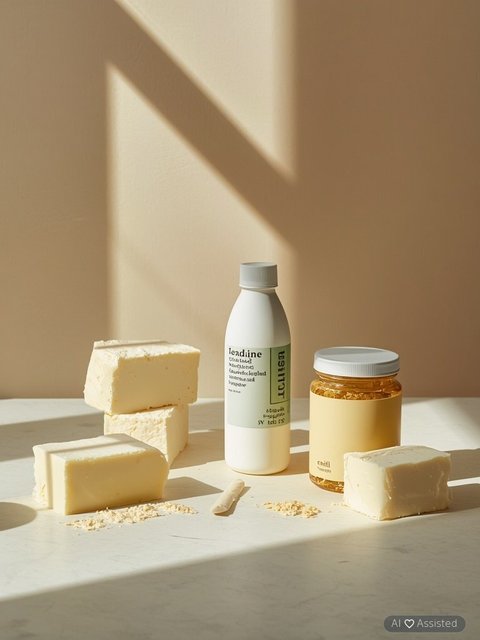
Dietary fats constitute a fundamental energy substrate within human nutrition, yielding as many as nine kilocalories per gram consumed. The diversity among fatty acids extends beyond the length of their carbon chains to encompass variations in hydrogen saturation levels and the spatial configuration of chemical bonds. Saturated fatty acids (SFAs) are distinguished by the complete saturation of each carbon atom with hydrogen atoms, conferring upon them a structurally rigid and chemically stable molecular framework. Typically, they manifest as solid substances with a creamy or white hue. Their elevated smoke point—derived from exceptional thermal resistance—renders them particularly suitable for high-temperature culinary applications, including frying and deep-frying. Common dietary sources include lard, ghee (clarified butter), and coconut oil, all of which generally feature carbon chains exceeding ten carbon atoms in length.
02 / 04

Dietary saturated fatty acids: Physiological functions, metabolic impacts, and cardiovascular health considerations

Dietary fats are ubiquitous across virtually all food categories, regardless of whether they originate from plant or animal sources. However, their physiological impact is not solely determined by the chemical nature of the constituent fatty acids but also by the food matrix from which they are derived [2]. As articulated by Ziemiański, "while unsaturated fatty acids serve a dual role in the body—functioning both as an energy substrate and as structural components of cellular membranes—saturated fatty acids (SFAs) are primarily utilized as an immediately accessible energy reserve" [1]. Excessive intake of these compounds has been associated with elevated low-density lipoprotein (LDL) cholesterol levels (commonly referred to as "bad cholesterol") and enhanced blood coagulability, factors that collectively contribute to the long-term development of atherosclerosis and coronary artery disease [4]. Historically, SFAs have been implicated as the primary dietary culprits behind hypercholesterolemia and the acceleration of atherogenic plaque formation within arterial walls. Within the dietary patterns of industrialized nations, palmitic acid (C16:0) remains the predominant saturated fatty acid, with well-documented effects on increasing both total cholesterol and the atherogenic LDL fraction in blood serum [2, 5]. It is critical to note, however, that not all SFAs exhibit uniform metabolic effects (see Table 1). Emerging research suggests that "diets enriched with short-chain fatty acids (C4–C8) may promote an increased tissue concentration of polyunsaturated fatty acids" [2]. Given the human body’s endogenous capacity to synthesize SFAs, their dietary provision is not strictly necessary. Current nutritional guidelines advocate that SFA intake among healthy adults should be minimized to the lowest level achievable while maintaining an otherwise nutritionally adequate diet.
03 / 04

Saturated fatty acids: Key dietary sources and their compositional profiles

Food items represent a complex amalgamation of diverse fatty acid types, the quantitative ratios of which vary substantially depending on the specific product. The principal dietary sources of saturated fatty acids (SFA) are predominantly animal-derived foods, including various meats and meat products, chicken egg yolks, full-fat dairy products (such as whole milk and long-aged rennet cheeses), and high-fat dairy items like 30% or 36% fat content cream. Additionally, solid animal fats—such as butter, lard, pork fat, and goose fat—play a significant role. Notably, substantial concentrations of SFA are also present in certain plant-based oils, particularly coconut oil (comprising over 80% saturated fatty acids in its total fat composition) and palm oil (containing more than 40%), both of which assume a solid state at room temperature, akin to traditional animal fats. Of particular interest are the medium-chain triglycerides (MCTs) found in coconut oil, characterized by high bioavailability and ease of metabolism, rendering them valuable dietary components in adjunctive therapy for patients with gastrointestinal disorders, such as impaired digestion or malabsorption of nutrients. Intriguingly, saturated fatty acids are not confined solely to animal-derived products; they are also detectable in highly processed foods, where they frequently serve as structural stabilizers or flavor carriers.
04 / 04

Saturated versus unsaturated fatty acids: Which should you prioritize and why?

Both the quantity and the type of fats consumed play a pivotal role in the prevention of atherosclerosis, cardiovascular diseases, and certain cancers. Fats, serving as a concentrated source of energy and essential fatty acids, constitute a fundamental component of a balanced human diet. Additionally, they act as carriers for fat-soluble vitamins—namely A, D, E, and K—and facilitate their absorption from other dietary sources. While the human body can synthesize saturated and monounsaturated fatty acids independently, polyunsaturated fatty acids (PUFAs), such as linoleic acid (an omega-6 fatty acid) and α-linolenic acid (an omega-3 fatty acid), must be obtained exclusively through diet, as human metabolism lacks the capacity to introduce double bonds at the n-6 and n-3 positions of the carbon chain [1]. A growing body of scientific evidence confirms that long-chain PUFAs—particularly eicosapentaenoic acid (EPA) and docosahexaenoic acid (DHA)—play a critical role in preventing and mitigating the symptoms of so-called "diseases of civilization," including type 2 diabetes, hypertension, and lipid disorders. Of equal importance is maintaining an appropriate ratio between omega-6 and omega-3 fatty acids, as an imbalance may lead to adverse alterations in lipid profiles, heightened oxidative stress, and an increased risk of obesity. Current dietary guidelines advocate for reducing the intake of saturated fatty acids (SFAs) and cholesterol while increasing the consumption of monounsaturated (MUFAs) and polyunsaturated fatty acids (PUFAs) in daily nutrition. Practically, this entails gradually replacing animal-based products—particularly processed meats and high-fat dairy—with omega-3-rich marine fish (e.g., mackerel, herring, salmon) at least once or twice per week. Contrary to common misconceptions about the inherent harm of fats, they are an indispensable macronutrient, providing the energy essential for growth and vital physiological functions. Nutrition experts caution that overly restrictive low-fat diets may do more harm than good, particularly if they result in a deficiency of polyunsaturated fatty acids, which could contribute to neurodegenerative disorders. The key to optimal health lies in moderation—both excessive intake and insufficient consumption of fats can adversely affect the body. The ideal approach involves mindfully structuring one’s diet to include fat-containing foods (especially those rich in saturated fats) in recommended quantities. Be sure to also explore our article on phosphatidylcholine—a critical phospholipid for brain health!
Meal Plan

Want to apply these guidelines in your daily diet?

Our smart diet generator creates a tailored meal plan in 3 minutes based on the recommendations in this article.

Literatura:
Gawęcki J., Hryniewiecki L., Żywienie człowieka. Podstawy nauki o żywieniu, tom I, Wydawnictwo Naukowe PWN, Warszawa 2007,
Jarosz M. (red.), Normy żywienia dla populacji Polski, Instytut Żywności i Żywienia, Warszawa 2017,
Krawczyński M. (red.), Żywienie dzieci w zdrowiu i w chorobie, Wydawnictwo „Help-Med.” s.c., Kraków 2015,
Łoźna K., Kita A., Styczyńska M., Biernat J., Skład kwasów tłuszczowych olejów zalecanych w profilaktyce chorób cywilizacyjnych, Problemy Higieny i Epidemiologii, 2012, 93, 4, 871–875,
Włodarek D., Lange E., Kozłowska L., Głąbska D., Dietoterapia, Wydawnictwo Lekarskie PZWL, Warszawa 2014.
Scientifically reviewed by a clinical dietitian • 24.09.2026

Literatura: Gawęcki J., Hryniewiecki L., Żywienie człowieka. Podstawy nauki o żywieniu, tom I, Wydawnictwo Naukowe PWN, Warszawa 2007, Jarosz M. (red.), Normy żywienia dla populacji Polski, Instytut Żywności i Żywienia, Warszawa 2017, Krawczyński M. (red.), Żywienie dzieci w zdrowiu i w chorobie, Wydawnictwo „Help-Med.” s.c., Kraków 2015, Łoźna K., Kita A., Styczyńska M., Biernat J., Skład kwasów tłuszczowych olejów zalecanych w profilaktyce chorób cywilizacyjnych, Problemy Higieny i Epidemiologii, 2012, 93, 4, 871–875, Włodarek D., Lange E., Kozłowska L., Głąbska D., Dietoterapia, Wydawnictwo Lekarskie PZWL, Warszawa 2014.

Diets Premium Expert

Diets Premium team expert. Specializes in nutrition plans, strength sports, and training plans.

USDA FoodData Central EFSA PubMed Clinical Guidelines

Loading
Recommended articles in this category

Related Articles

Discover similar publications and expert insights.

Coconut butter: inherent properties, practical applications, and effects on hair health – an evidence-based and traditionally informed examination
Food Science
Coconut butter: inherent properties, practical applications, and effects on hair health – an evidence-based and traditionally informed examination
⏱ 3 min czytania 📚 Food Science
#Fatty Acids #Traditional
Is administering coconut oil to young children medically justified and safe for their developing bodies?
Nutritional Guidelines

Is administering coconut oil to young children medically justified and safe for their developing bodies?
⏱ 4 min czytania
#Nutritional Guidelines #Dietary Fats

Another Valuable Property of Coconut Oil – An Effective Defense Against *Candida albicans*: Lauric Acid, Antifungal Mechanisms, and Dietary Protocols
Polyunsaturated Fatty Acids
Another Valuable Property of Coconut Oil – An Effective Defense Against *Candida albicans*: Lauric Acid, Antifungal Mechanisms, and Dietary Protocols
⏱ 2 min czytania
#Polyunsaturated Fatty Acids #Fatty Acids
Virgin and copra-pressed coconut oil: Metabolic properties, culinary applications, and thermal smoke points
Antioxidant
Virgin and copra-pressed coconut oil: Metabolic properties, culinary applications, and thermal smoke points
⏱ 3 min czytania
#Antioxidant #Fatty Acids
Homemade Muesli. A Healthy Alternative to Traditional Breakfast
Nutrition
Homemade Muesli. A Healthy Alternative to Traditional Breakfast
⏱ 3 min czytania 📚 Nutrition
#Calories #Granola
Sage - Types, effects, side effects... What is sage useful for?
Anti-Inflammatory
Sage - Types, effects, side effects... What is sage useful for?
⏱ 3 min czytania
#Anti-inflammatory #Carbohydrates
Dark Chocolate: Composition, Properties and Impact on Pregnancy and Diabetes
Pregnancy & Motherhood
Dark Chocolate: Composition, Properties and Impact on Pregnancy and Diabetes
⏱ 4 min czytania 📚 Pregnancy & Motherhood
#Calories #Carbohydrates
Carbohydrates – their significance, division into simple and complex... where is the most carbohydrate?
Carbohydrate
Carbohydrates – their significance, division into simple and complex... where is the most carbohydrate?
⏱ 4 min czytania 📚 Carbohydrate
#Nutrition #Calories
Butter: A nutritional treasure or a hidden threat to cardiovascular well-being?
Dairy-Based
Butter: A nutritional treasure or a hidden threat to cardiovascular well-being?
⏱ 3 min czytania 📚 Dairy-Based
#Culinary Traditions #Dietary Guidelines

Plant-based margarine – compositional breakdown, additive substances, and available product variants
Food Science
Plant-based margarine – compositional breakdown, additive substances, and available product variants
⏱ 3 min czytania 📚 Food Science
#Fat-soluble Vitamins #Plant-based
Supplementary natural butter – essential insights into composition and distinctions from plant-based substitutes
Dairy-Based
Supplementary natural butter – essential insights into composition and distinctions from plant-based substitutes
⏱ 3 min czytania 📚 Dairy-Based
#Plant-based Substitutes #Accessibility
10 Uses of Coconut Oil – Useful Beyond the Kitchen
Coconut Oil
10 Uses of Coconut Oil – Useful Beyond the Kitchen
⏱ 3 min czytania
#Coconut Oil #Coconut
Is Safflower Oil Really Beneficial for Hair?
Nutrition
Is Safflower Oil Really Beneficial for Hair?
⏱ 4 min czytania 📚 Nutrition
#Vegetable #Olive Oil
Coconut Oil – Is It Edible? Pros and Cons
Coconut Oil
Coconut Oil – Is It Edible? Pros and Cons
⏱ 5 min czytania
#Coconut Oil #Coconut
Coconut oil and lipid profiles: An examination of its effects on cholesterol levels and cardiovascular health
Cardiovascular Health
Coconut oil and lipid profiles: An examination of its effects on cholesterol levels and cardiovascular health
⏱ 4 min czytania
#Cardiovascular Health #Nutritional Science
Oil pulling with coconut oil – Natural oral hygiene, antimicrobial mechanisms, and Ayurvedic practice
Dental Care
Oil pulling with coconut oil – Natural oral hygiene, antimicrobial mechanisms, and Ayurvedic practice
⏱ 4 min czytania
#Dental Care #Coconut Oil
White button mushrooms in the daily diet – nutritional properties, calories, vitamins, and culinary uses
Food & Ingredients
White button mushrooms in the daily diet – nutritional properties, calories, vitamins, and culinary uses
⏱ 3 min czytania 📚 Food & Ingredients
#Champignon Mushrooms #Carbohydrates
Significance of the vegetarian diet in the treatment of diabetes and thyroid hormone deficiency
Vegetarian Diet
Significance of the vegetarian diet in the treatment of diabetes and thyroid hormone deficiency
⏱ 2 min czytania
#Vegetarian Diet #Thyroid Hormone
Coconut kernel oil: adipose tissue reduction effects and culinary applications
Nutritional Value
Coconut kernel oil: adipose tissue reduction effects and culinary applications
⏱ 6 min czytania
#Nutritional Value #Adipose Tissue
Buckwheat flakes as a nutritious morning meal. Nutritional profile, composition, and tested breakfast recipes
Complex Carbohydrates
Buckwheat flakes as a nutritious morning meal. Nutritional profile, composition, and tested breakfast recipes
⏱ 3 min czytania
#Complex Carbohydrates #Breakfast Recipes
Alpha-linolenic acid (ALA): health benefits, biochemical pathways, and the essential plant-derived omega-3 fatty acid
Nutritional Science
Alpha-linolenic acid (ALA): health benefits, biochemical pathways, and the essential plant-derived omega-3 fatty acid
⏱ 4 min czytania 📚 Nutritional Science
#Dietary Fats And Fat-soluble Vitamins #Polyunsaturated Fatty Acids
Hidden Sugars in the Modern Diet: Unmasking Traps in Dairy, Breakfast Cereals, Fruit Juices, and 'Health' Foods
Health-Promoting Foods
Hidden Sugars in the Modern Diet: Unmasking Traps in Dairy, Breakfast Cereals, Fruit Juices, and 'Health' Foods
⏱ 6 min czytania
#Health-promoting Foods #Bioactive Compounds
Derivatives of Coconut Meat and Water: Kernel, Milk, Oil, Butter, and Liquid Endosperm – Clinical Characteristics and Uses
Rich In Nutrients
Derivatives of Coconut Meat and Water: Kernel, Milk, Oil, Butter, and Liquid Endosperm – Clinical Characteristics and Uses
⏱ 5 min czytania
#Rich In Nutrients #Clarified Butter
Red Palm Oil: Properties of Unrefined Virgin Oil, Carotenoids, Tocotrienols vs Industrial Hydrogenated Fat
Nutritional Ingredients
Red Palm Oil: Properties of Unrefined Virgin Oil, Carotenoids, Tocotrienols vs Industrial Hydrogenated Fat
⏱ 5 min czytania
#Nutritional Ingredients #Bioactive Compounds
Omega-3, Omega-6, and Omega-9 Fatty Acids: Biochemical Classification, Physiological Roles, and Dietary Balance
Nutritional Science
Omega-3, Omega-6, and Omega-9 Fatty Acids: Biochemical Classification, Physiological Roles, and Dietary Balance
⏱ 4 min czytania 📚 Nutritional Science
#Saturated Vs. Unsaturated Fats #Omega-3 And Omega-6 Fatty Acids
Could this genuinely be avocado butter rather than conventional butter? A step-by-step guide to homemade avocado butter
Food & Ingredients
Could this genuinely be avocado butter rather than conventional butter? A step-by-step guide to homemade avocado butter
⏱ 3 min czytania 📚 Food & Ingredients
#Nutritional Composition #Energy-Dense Food
Cold-pressed flaxseed oil – a plant-based omega-3 powerhouse
Pregnancy & Motherhood
Cold-pressed flaxseed oil – a plant-based omega-3 powerhouse
⏱ 3 min czytania 📚 Pregnancy & Motherhood
#Omega-3 And Omega-6 Fatty Acids #Polyunsaturated Fatty Acids
Cold-pressed flaxseed oil for weight management: Fasting consumption, metabolic mechanisms, and satiety signaling
Omega-3 Fatty Acids
Cold-pressed flaxseed oil for weight management: Fasting consumption, metabolic mechanisms, and satiety signaling
⏱ 3 min czytania
#Omega-3 Fatty Acids #Weight Management
Evening primrose oil in clinical context: A comprehensive examination of its efficacy in acne management, fertility enhancement, and adverse effect profiles—does empirical evidence support its purported hormonal regulatory mechanisms?
Polyunsaturated Fatty Acids
Evening primrose oil in clinical context: A comprehensive examination of its efficacy in acne management, fertility enhancement, and adverse effect profiles—does empirical evidence support its purported hormonal regulatory mechanisms?
⏱ 5 min czytania
#Polyunsaturated Fatty Acids #Dermatological
Hempseed oil derived from *Cannabis sativa* – biochemical composition, health benefits, and practical guidelines for use

Polyunsaturated Fatty Acids
Hempseed oil derived from *Cannabis sativa* – biochemical composition, health benefits, and practical guidelines for use
⏱ 4 min czytania
#Polyunsaturated Fatty Acids #Plant-based Protein

Share