Rainbow Trout: Farming secrets, nutritional properties, omega-3 acid profile, and culinary inspirations
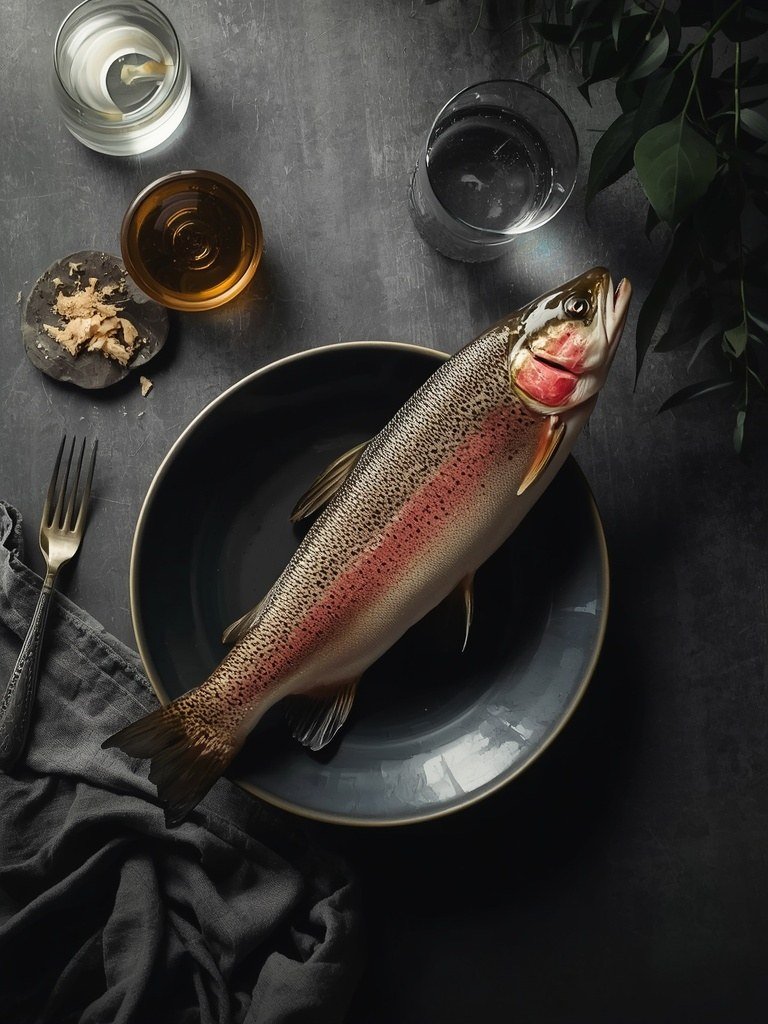
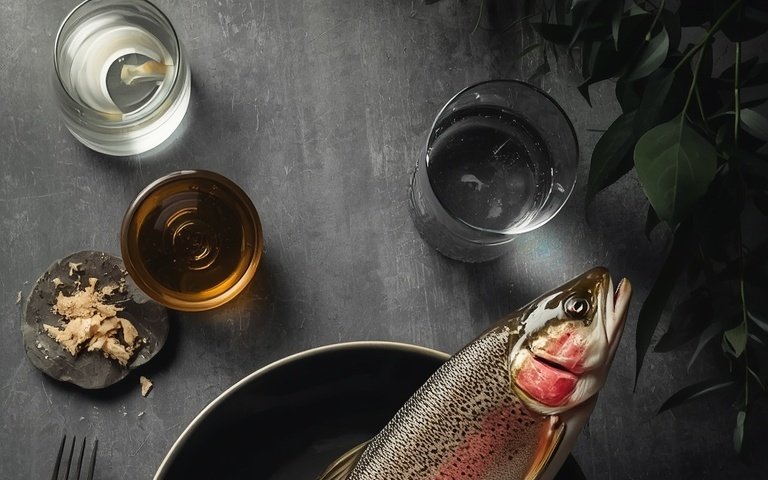
Table of Contents 4
Medical & Editorial Disclaimer (§3 Terms): This article is for informational and educational purposes only, does not constitute medical advice, diagnosis, or treatment, and is used at your own risk. Consult a qualified physician for medical conditions.
The trout's flesh provides a complete protein source, valuable long-chain omega fatty acids, and essential micronutrients such as vitamin D and B vitamins. A significant advantage is its notably low accumulation of heavy metals, distinguishing it from long-lived marine predators and making it a safe option for all ages. Its cultivation demands pristine, cold, and highly oxygenated running waters, ensuring the purity and quality of the fish.
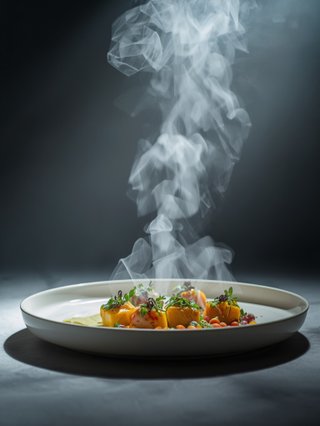
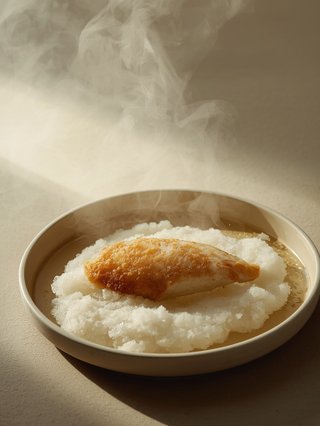
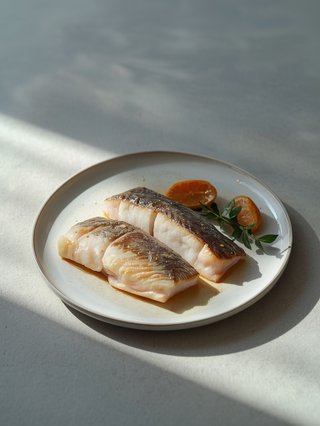
For culinary preparation, gentle cooking methods like baking en papillote, grilling, or steaming are ideal to preserve its tender texture and full flavor. These culinary techniques help protect the beneficial fats and create a wholesome, delicious dish. Rainbow trout is thus a versatile ingredient for home cooking, offering both gustatory pleasure and nutritional advantages.
Rainbow trout (Oncorhynchus mykiss) is one of the most celebrated and commercially significant freshwater fish across Europe. Originally native to the cold-water tributaries of North America, it has adapted seamlessly to European aquaculture, thriving exclusively in pristine, cold, highly oxygenated running waters. Trout flesh offers an exceptionally delicate texture, clean buttery flavor, and outstanding nutritional density—providing complete bioavailable protein, long-chain omega-3 polyunsaturated fatty acids (EPA and DHA), vitamin D, and essential B vitamins, serving as a clean, sustainable alternative to marine species.
Species Characteristics and Sustainable Aquaculture Conditions
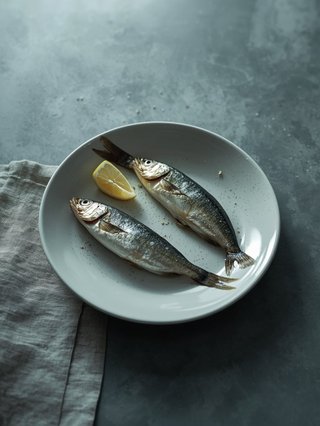
The rainbow trout belongs to the Salmonidae family, distinguished by an iridescent pink-magenta lateral stripe adorning its silvery flanks. Unlike demersal bottom-feeders, trout are agile predatory swimmers adapted to turbulent cold-water habitats. Commercial trout facilities are subjected to stringent environmental parameters; trout cannot survive in stagnant, warm, or chemically degraded waters, necessitating dissolved oxygen levels exceeding 8–10 mg/L. Consequently, farm-raised rainbow trout possesses a clean, fresh taste free of earthy mud taints, while tightly monitored feeding protocols guarantee high biological purity and consistent nutritional value.
Nutritional Profile: Complete Protein, Omega-3 Lipids, and Micronutrients
A standard 100 g fillet of fresh rainbow trout provides approximately 19–20 g of highly digestible, complete animal protein containing all essential amino acids. Classified as a moderately fatty fish (containing 3–7 g of total lipids per 100 g and delivering 120–150 kcal), its premier health virtue resides in its concentrated long-chain omega-3 fatty acids, specifically eicosapentaenoic acid (EPA) and docosahexaenoic acid (DHA). These marine lipids attenuate systemic vascular inflammation, optimize serum lipid profiles, and bolster neurocognitive performance. Trout is likewise an exceptional source of cholecalciferol (vitamin D3), cobalamin (B12), selenium, phosphorus, and potassium.
Purity Advantage: Minimal Heavy Metal Accumulation Compared to Apex Predators
A paramount clinical advantage of rainbow trout is its remarkable toxicological safety. Unlike long-lived marine apex predators (such as bluefin tuna, swordfish, and shark) that bioaccumulate substantial concentrations of neurotoxic methylmercury, dioxins, and polychlorinated biphenyls (PCBs), aquaculture trout have short production lifespans (12–18 months) and feed on strictly vetted rations. Consequently, international food safety agencies and pediatric societies explicitly recommend rainbow trout as a premier, clean source of marine omega-3 fatty acids for pregnant women, nursing mothers, and developing infants.
Culinary Techniques: Parchment En Papillote, Grilling, and Gentle Steaming
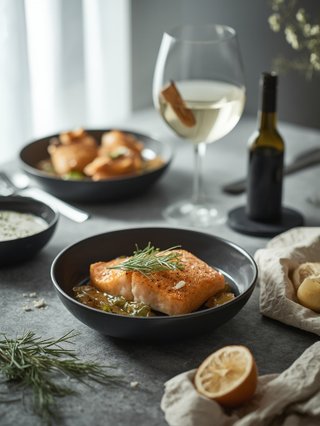
Rainbow trout flesh is exceptionally versatile and benefits from gentle culinary heat that preserves delicate lipid bonds. A gold-standard preparation is baking whole trout en papillote (sealed inside parchment paper) infused with fresh dill sprigs, lemon slices, crushed garlic, and a touch of cold-pressed olive oil at 180°C for 18–20 minutes, locking in natural juices. For summer barbecues, utilizing a wire fish basket ensures crisp skin without tearing delicate flesh. For clinical low-calorie or recovery diets, gentle steaming of skinless trout fillets over aromatics and julienned vegetables preserves maximum micronutrient integrity.
Want to apply these guidelines in your daily diet?
Our smart diet generator creates a tailored meal plan in 3 minutes based on the recommendations in this article.
Tags

Olivia Davis
• 23.10.2026Diets Premium Expert
Diets Premium team expert. Specializes in nutrition plans, strength sports, and training plans.