Boletes (edible bolete) – a guide to identification, preparation, and culinary use. Proven recipes featuring boletes as the main ingredient
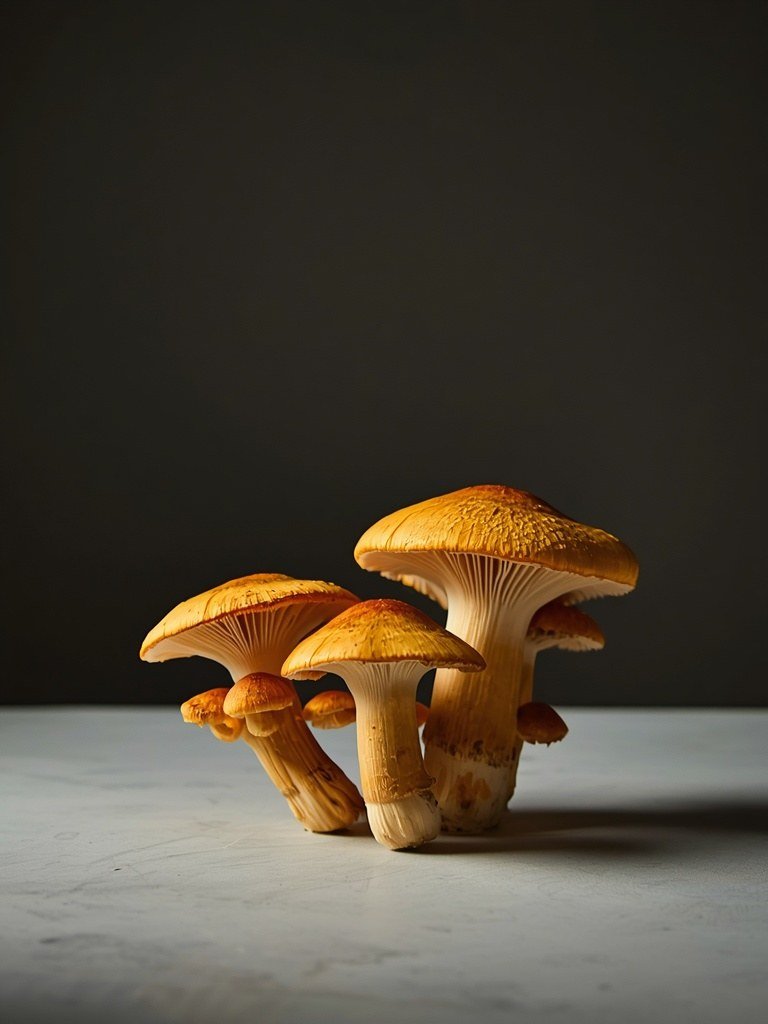
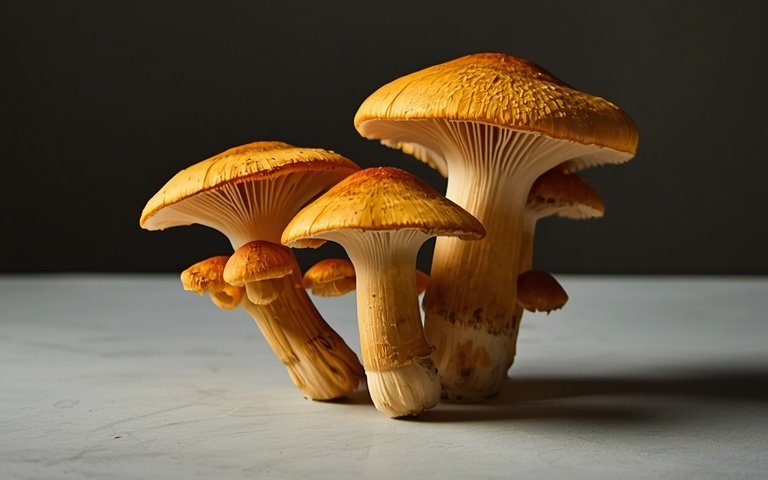
Table of Contents 5
Medical & Editorial Disclaimer (§3 Terms): This article is for informational and educational purposes only, does not constitute medical advice, diagnosis, or treatment, and is used at your own risk. Consult a qualified physician for medical conditions.
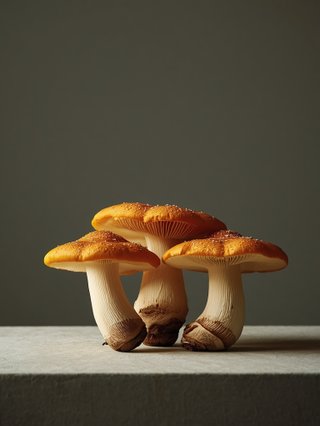
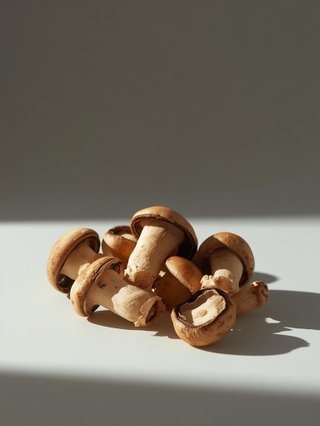
The anatomical traits of these wild mushrooms, featuring a characteristic golden coloration and a firm, fleshy texture, allow foragers to distinguish them accurately in their natural habitat. A notable ecological advantage is their inherent resistance to insect larvae, ensuring that harvested specimens generally remain pristine and robust. Culinary techniques focus heavily on preserving their delicate moisture and fruity aroma, which is why professional methods discourage soaking in water. Proper storage conditions further contribute to maintaining their structural integrity and preventing spoilage before cooking.
Practical guidance for daily nutrition involves gentle dry-cleaning methods using a soft brush to remove forest debris without letting the mushrooms absorb excess moisture. Incorporating chanterelles into classic recipes enhances meal variety, contributing rich flavor profiles and delightful textures to dishes ranging from creamy soups to savory egg preparations. Embracing these culinary practices ensures a safe, rewarding, and delicious experience with every seasonal harvest.
Chanterelles (Cantharellus cibarius), universally celebrated across European culinary traditions, represent one of the most prized wild edible mushrooms in contemporary gastronomy. Their enduring culinary prestige stems from an exquisite combination of sensory qualities: an enchanting apricot-like fruity fragrance, a firm and delightfully fleshy texture, and an elegant, subtle peppery finish on the palate. A major ecological advantage of chanterelles is their natural resistance to insect infestation, ensuring that wild-foraged specimens remain pristine. This comprehensive guide covers anatomical traits for foolproof woodland identification, distinguishing them from the false chanterelle, time-tested cleaning techniques that avoid waterlogging, and professional culinary methods designed to retain their tender moisture and aromatics.
Chickens of mushrooms
How do you know the chickens?
How do you clean your chickens?
How do you make chickens?
Danish with chickens (regulations)
Want to apply these guidelines in your daily diet?
Our smart diet generator creates a tailored meal plan in 3 minutes based on the recommendations in this article.
Tags

Literatura: Rajewska J., Bałasińska B., Związki biologicznie aktywne zawarte w grzybach jadalnych i ich korzystny wpływ na zdrowie. Postepy Hig Med Dosw. (online), 2004; 58: 352–357, Siwulski M., Sobieralski K., Sas-Golak I., Wartość odżywcza i prozdrowotna grzybów, Żywność. Nauka. Technologia. Jakość, 2014, 1(92),16–28, Rozporządzenie Ministra Zdrowia z dnia 17 maja 2011 r. w sprawie grzybów dopuszczonych do obrotu lub produkcji przetworów grzybowych, środków spożywczych zawierających grzyby oraz uprawnień klasyfikatora grzybów i grzyboznawcy, Robert Miernik, Przetwory z płodów leśnych, Warszawa, Wydawnictwo Spółdzielcze, 1989, s. 48–57, ISBN 83-209-0727-6, Barbara Gumińska, Władysław Wojewoda, Grzyby i ich oznaczanie. Warszawa, PWRiL, 1985, ISBN 83-09-00714-0, Starmach A. Kurki, jak je szybko oczyścić, https://aniastarmach.pl/kurki-jak-je-szybko-oczyscic/, Kamiński W., Pieprznik jadalny, https://nagrzyby.pl/atlas/328, Piętka J., Staniszewski P., Kowalczuk D., Analiza wybranych aspektów rynku owocników pieprznika jadalnego (Cantharellus cibarius Fr.), Leśne Prace Badawcze (Forest Research Papers), 2012, Vol. 73 (3): 245–253.
Diets Premium Expert
Diets Premium team expert. Specializes in nutrition plans, strength sports, and training plans.