3 min read

Posture Correction – Autonomous Bodily Adaptation
Posture Correction – Autonomous Bodily Adaptation
1 photo
659

Smart Voice

AI
0:00
0:00
Listen to the article content live
Table of Contents 3
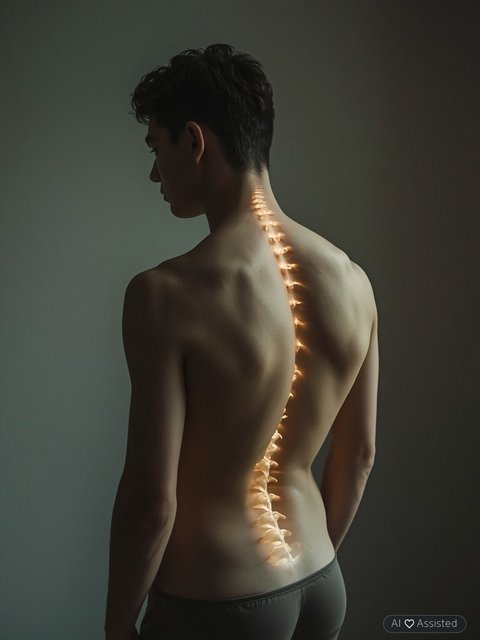
Observing significant interest in the topic of postural defects, I've decided to delve deeper into the subject of posture correction. Posture correction not only contributes to enhancing the outcomes of rehabilitation, but also increases the likelihood of restoring correct body posture. What are its fundamental principles? What actions must be taken to autonomously correct an incorrect posture?
01 / 03

Understanding the fundamentals and objectives of postural re-education

Postural re-education represents a comprehensive therapeutic approach whose primary objective is to restore and consolidate correct postural patterns within the body. This is an intricate and time-demanding process, as its efficacy hinges on the interplay of numerous factors—both physical and behavioral, as well as environmental. The aim of these interventions extends beyond merely correcting existing postural deviations; it also encompasses the prevention of recurrence by cultivating body awareness and ingraining proper movement habits as automatic responses.
02 / 03

Fundamental principles of postural re-education: Five key domains of influence

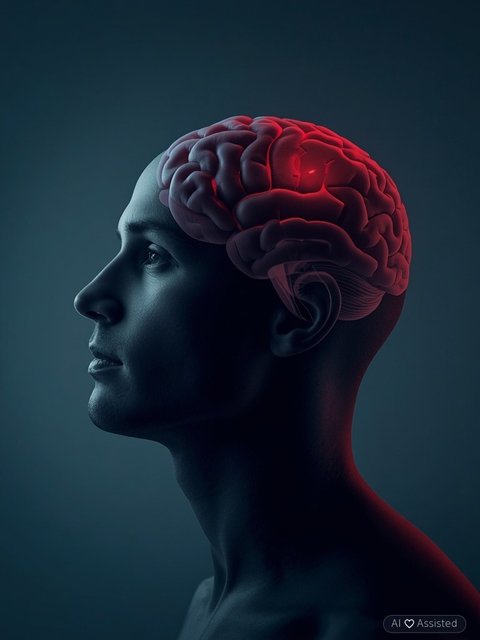
Postural re-education is founded upon a comprehensive framework that integrates five distinct yet interdependent domains governing the body’s optimal alignment in space. The **neurophysiological dimension** holds paramount importance, as it underpins the **automatic regulation of proper posture**. Dysfunction within this sphere is characterized by a **diminished proprioceptive awareness**, whereby individuals with postural disorders lose the ability to self-monitor spinal alignment and trunk symmetry, resulting in the **habitual adoption of maladaptive postures**. A second critical component is the **anatomical domain**, encompassing the osseous, articular, and ligamentous structures. Pathologies here manifest as **restrictions in passive range of motion**, often culminating in **joint lockages** or biomechanical asymmetries. Closely intertwined is the **muscular sphere**, where impairments may present as **muscle dystonia** (involuntary contractions), **abnormal tension in joint capsules** (potentially leading to stiffness), or **uneven load distribution** across the spinal column—factors that accelerate degenerative changes. The fourth pillar is the **environmental context**, which includes **sociocultural and occupational conditions**. Individuals engaged in sedentary occupations (e.g., office workers) exhibit a heightened susceptibility to **progressive postural deviations** due to **prolonged static positioning and physical inactivity**, whereas manual laborers are less prone to such issues. The final, yet equally vital, domain is the **psychoemotional sphere**, where **chronic stress, anxiety, time pressure**, or **substance abuse (including alcohol)** can **disrupt innate postural control mechanisms**, fostering a gradual deterioration of bodily alignment.

03 / 03

Phases of postural re-education: From awareness to automated correction

The postural re-education process unfolds across five distinct stages, each demonstrating conceptual parallels to the previously discussed functional domains. The initial phase centers on cultivating heightened awareness of existing postural deviations, thereby fostering a comprehensive understanding of the underlying issue as well as the potential repercussions of inaction. Self-directed therapeutic measures primarily involve visual self-assessment via mirror feedback coupled with targeted exercises designed to enhance proprioceptive acuity. The subsequent stage necessitates proactive counteraction—indeed, the systematic elimination—of anatomically rooted disturbances within the musculoskeletal-ligamentous apparatus, with the ultimate objective of restoring optimal biomechanical functionality to the locomotor system. Upon completion of this phase, the process advances to practical correction, which may be implemented on both a holistic and localized scale. Initially, with the guidance of a therapist or assistant (and later relying solely on mirror-based feedback and intrinsic body awareness), individuals must address and rectify any existing asymmetries or deviations from neutral alignment. Illustrative interventions include mastering the retraction of the head and shoulders or mitigating excessive anterior pelvic tilt. The penultimate stage focuses on consolidating the newly acquired habit of maintaining proper posture. It is reasonable to posit that the fourth phase entails autonomous self-monitoring, refinement of corrective techniques, and sustained preservation of achieved outcomes. The final stage culminates in full automatization, whereby the cumulative effect of the re-education process should manifest as both conscious *and* subconscious postural adjustment irrespective of temporal, spatial, or situational variables. The essence of this transformative journey is succinctly encapsulated in Kutzner-Kozińska’s four-word maxim: "perceive – aspire – sense – execute."
Meal Plan

Want to apply these guidelines in your daily diet?

Our smart diet generator creates a tailored meal plan in 3 minutes based on the recommendations in this article.

Mia Hoffmann
Scientifically reviewed by a clinical dietitian • 25.09.2026

Mia Hoffmann

Diets Premium Expert

Diets Premium team expert. Specializes in nutrition plans, strength sports, and training plans.

USDA FoodData Central EFSA PubMed Clinical Guidelines
Loading
Recommended articles in this category

Related Articles

Discover similar publications and expert insights.

Improve Your Seated Posture
Muscle Building
Improve Your Seated Posture
⏱ 10 min czytania
#Muscle Building #Rehabilitation
The Role of Gluteal Muscles in Strength Training
Rehabilitation
The Role of Gluteal Muscles in Strength Training
⏱ 6 min czytania
#Rehabilitation #Strength Training
Occlusion Training – HIT or KIT?
Rehabilitation
Occlusion Training – HIT or KIT?
⏱ 6 min czytania
#Rehabilitation #Muscle Mass
Exercise Routine Utilizing Tapes
Rehabilitation
Exercise Routine Utilizing Tapes
⏱ 4 min czytania
#Rehabilitation
Ice Bathing – Is It Healthy and Safe for the Body?
Healthy
Ice Bathing – Is It Healthy and Safe for the Body?
⏱ 7 min czytania
#Healthy #Rehabilitation
Strenuous Deep Muscle Training
Muscle Training
Strenuous Deep Muscle Training
⏱ 8 min czytania
#Muscle Training #Core Stability
Causes of Movement Disturbance Development
Rehabilitation
Causes of Movement Disturbance Development
⏱ 6 min czytania
#Rehabilitation
Application of Resistance Tapes in Strength Training and Rehabilitation
Rehabilitation
Application of Resistance Tapes in Strength Training and Rehabilitation
⏱ 6 min czytania
#Rehabilitation #Resistance
Office Massage (Also Known as <i>Work-Site Massage</i>) – Features, Benefits, and Results
Rehabilitation
Office Massage (Also Known as <i>Work-Site Massage</i>) – Features, Benefits, and Results
⏱ 5 min czytania
#Rehabilitation
Brain stroke... Symptoms, causes, effects, treatment and rehabilitation
Cardiovascular Health
Brain stroke... Symptoms, causes, effects, treatment and rehabilitation
⏱ 7 min czytania 📚 Cardiovascular Health
#Rehabilitation
Which foods aid in bone fracture recovery – what to eat and what to avoid?
Balanced Diet
Which foods aid in bone fracture recovery – what to eat and what to avoid?
⏱ 5 min czytania
#Balanced Diet #Daily Activities
Optimal Rehabilitation and Recovery Strategies Following a Myocardial Infarction: A Comprehensive, Evidence-Based Guide
Lifestyle Modifications
Optimal Rehabilitation and Recovery Strategies Following a Myocardial Infarction: A Comprehensive, Evidence-Based Guide
⏱ 6 min czytania
#Lifestyle Modifications #Rehabilitation
Flatfoot condition: etiological foundations, risk factor analysis, therapeutic interventions, and the biomechanical role of resistance training in podiatric rehabilitation
Resistance Training
Flatfoot condition: etiological foundations, risk factor analysis, therapeutic interventions, and the biomechanical role of resistance training in podiatric rehabilitation
⏱ 5 min czytania
#Resistance Training #Strength Training
Back Development - Dumbbell Rowing in a Kneeling Position
Back Exercises
Back Development - Dumbbell Rowing in a Kneeling Position
⏱ 6 min czytania
#Back Exercises #Rowing
Development of Back Muscles – A Must-See!
Stability
Development of Back Muscles – A Must-See!
⏱ 4 min czytania
#Stability #Posture
Powerful, healthy back muscles. Erect an unwavering foundation!
Posture
Powerful, healthy back muscles. Erect an unwavering foundation!
⏱ 3 min czytania
#Posture
Barbell Front Squats - Importance of Repetition Count
Posture
Barbell Front Squats - Importance of Repetition Count
⏱ 5 min czytania
#Posture #Physical Activity
Employing Exercises for Lower Body Activation
Sitting
Employing Exercises for Lower Body Activation
⏱ 6 min czytania
#Sitting #Lower Body
Body Posture Disorders – Thoracic Cage Defects
Posture
Body Posture Disorders – Thoracic Cage Defects
⏱ 5 min czytania
#Posture
Unfavorable Aspects of Posture – Spinal Deformities
Posture
Unfavorable Aspects of Posture – Spinal Deformities
⏱ 8 min czytania
#Posture
Body Posture Groups
Posture
Body Posture Groups
⏱ 5 min czytania
#Posture
Ergonomic Design of the Desk Workstation – Key Guidelines for Workplace Organization
Fitness Lifestyle
Ergonomic Design of the Desk Workstation – Key Guidelines for Workplace Organization
⏱ 5 min czytania 📚 Fitness Lifestyle
#Sitting #Posture
Posture Correction – Rounded Back
Posture
Posture Correction – Rounded Back
⏱ 5 min czytania
#Posture
Correction of Postural Defect – Rounded Back
Pregnancy & Motherhood
Correction of Postural Defect – Rounded Back
⏱ 5 min czytania 📚 Pregnancy & Motherhood
#Sedentary Lifestyle #Sedentary
Chest muscle training – Exercises and training schedule
Muscle Training
Chest muscle training – Exercises and training schedule
⏱ 6 min czytania
#Muscle Training #Posture
Parkinson's disease: manifestations, causative factors, assessment and intervention
Neurotransmitter
Parkinson's disease: manifestations, causative factors, assessment and intervention
⏱ 7 min czytania
#Neurotransmitter #Main Course
The deadlift: comprehensive warm-up protocols, proper starting technique, and diverse execution methodologies
Fitness Lifestyle
The deadlift: comprehensive warm-up protocols, proper starting technique, and diverse execution methodologies
⏱ 4 min czytania 📚 Fitness Lifestyle
#Strength #Posture
Not Just Vegetable Salad - Three Ideas for Alternative Christmas Salads
⏱ 3 min czytania
Assortment with Cheese, Dried Tomatoes, and Salmon
⏱ 1 min czytania
Carrot and Zucchini Bread
⏱ 1 min czytania

Share