Offal – nutritional analysis, health impact, and culinary recipes: is it worth eating?
Table of Contents 4
Medical & Editorial Disclaimer (§3 Terms): This article is for informational and educational purposes only, does not constitute medical advice, diagnosis, or treatment, and is used at your own risk. Consult a qualified physician for medical conditions.
This article explores how offal is categorized by culinary texture and anatomical function, ranging from premier organs like liver, kidneys, and tongue, through muscular organs such as heart, gizzard, and tripe, to collagen-rich tissues. Nutritionally, liver stands out for delivering highly bioavailable heme iron alongside retinol, cobalamin, folate, and riboflavin, which collectively support red blood cell formation and help address iron deficiencies. Muscular hearts provide concentrated ubiquinone and taurine that sustain cellular mitochondrial energy. At the same time, important clinical precautions are highlighted: pregnant women are advised to restrict liver consumption during the early stages of gestation due to teratogenic risks associated with excessive retinol, and individuals managing gout or elevated uric acid should avoid organ meats because of their dense purine content.
For safe and wholesome culinary preparation, readers are encouraged to source organ meats exclusively from organic, pasture-raised livestock. In the kitchen, proper technique transforms both texture and flavor: soaking fresh poultry liver in cold water or milk before briefly searing it in olive oil or clarified butter alongside caramelized onions and tart apples keeps the center tender and slightly pink, while seasoning with marjoram and sea salt strictly at the end of cooking prevents toughness.
Organ meats (offal), once an indispensable pillar of traditional human nutrition, evoke divergent opinions today: praised by clinical dietitians for unrivaled micronutrient density, yet avoided by others over cholesterol or heavy metal concerns. Biochemically, beef, poultry, and pork liver, hearts, and kidneys are nature's most concentrated multivitamins. This article analyzes offal classifications, nutritional profiles, clinical contraindications, and refined culinary preparations.
Organ meats: Classification and culinary categories
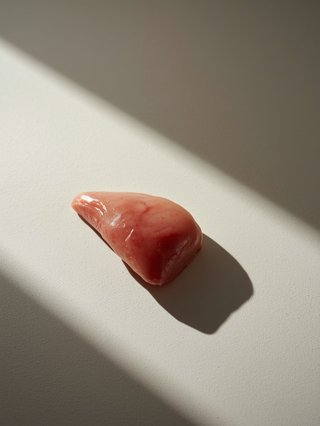
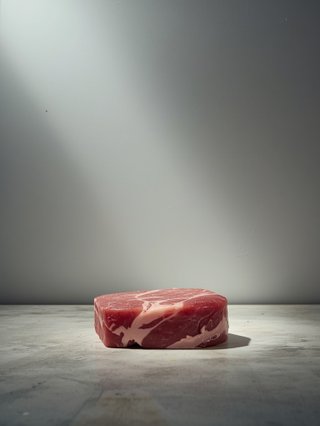
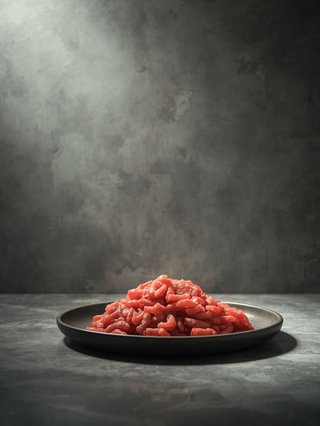
Offal encompasses internal organs and non-skeletal meat cuts obtained from livestock (poultry, beef, pork, and lamb). Commercial classifications categorize organ meats by culinary texture and organ type: Class I includes premium culinary organs like liver, kidneys, tongue, and brain; Class II comprises muscular organs such as heart, gizzard, and tripe (rumen); and Class III consists of collagenous elements like tail, feet, and ears. While organ meats possess distinct flavors, their primary value lies in unparalleled vitamin and mineral bioavailability.
Nutritional profile of organ meats: Vitamins and minerals
Organ meats, particularly liver, are exceptionally rich in essential micronutrients. A 100 g serving of poultry or beef liver delivers over 1000% of the daily requirement for vitamin A (retinol), extraordinary levels of bioavailable vitamin B12 (cobalamin), folate, riboflavin, and heme iron (which is absorbed two to three times more efficiently than non-heme plant iron). Hearts provide concentrated coenzyme Q10 (ubiquinone) and taurine, sustaining cellular mitochondrial energy, while kidneys supply selenium and bioavailable zinc.
Health impacts of offal: Therapeutic benefits and contraindications
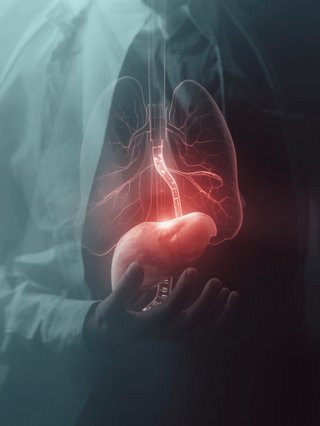
While organ meats are unparalleled for resolving iron-deficiency anemia and supporting red blood cell formation, certain clinical precautions apply. Due to exceptionally high retinol concentrations, pregnant women must restrict liver intake during the first trimester to avoid teratogenic risks. Furthermore, organ meats are dense in purines, which metabolize into uric acid; individuals with gout or hyperuricemia should avoid them. Sourcing organs exclusively from organic, pasture-raised livestock ensures minimal accumulation of environmental toxins and heavy metals.
Culinary recipes for delicious organ meat meals
Classic Poultry Liver with Caramelized Onions and Apples: Gently clean 400 g of fresh poultry liver and soak in cold water or milk for 30 minutes to ensure tenderness. Sauté two sliced onions and one crisp tart apple in olive oil or clarified butter until golden and soft. Sear the liver over medium-high heat for 3–4 minutes per side, keeping the center tender and slightly pink (avoid overcooking, which makes it tough). Season with marjoram and sea salt only at the end of cooking to preserve tenderness.
Want to apply these guidelines in your daily diet?
Our smart diet generator creates a tailored meal plan in 3 minutes based on the recommendations in this article.
Tags

mgr Emilia Szymańska
• 23.10.2026Diets Premium Expert
Diets Premium team expert. Specializes in nutrition plans, strength sports, and training plans.