Meat products - production, ingredients, guidelines
1 photo
783
Smart Voice
AI
0:00
0:00
Listen to the article content live
Table of Contents 5
Meat products have long been a popular choice. In shops, we can acquire various types of meat products, which are an indispensable element of the daily diet for some people. Are meat products truly suitable for us and is it even worthwhile consuming them?
01 / 05
It's the wastes
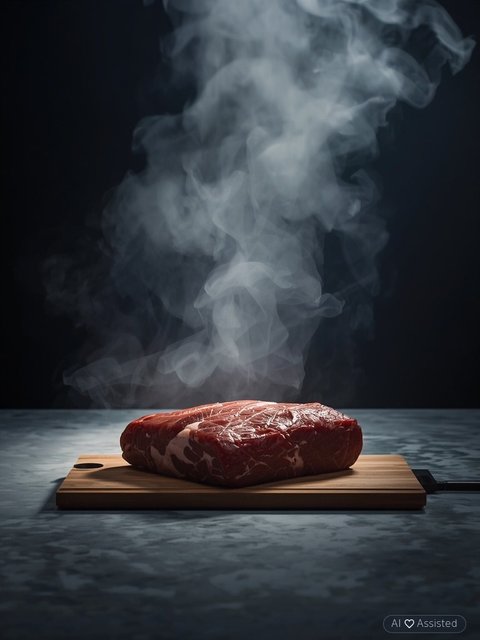
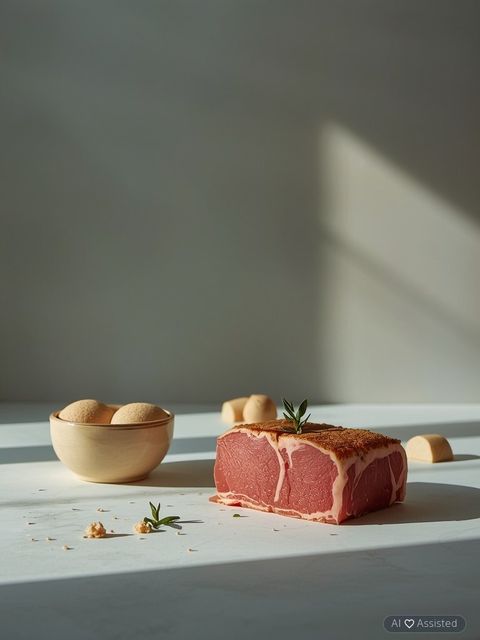
Cold cuts and processed meats represent meat products prepared from intact primal cuts or comminuted meat subjected to curing, salting, blending, smoking, drying, or thermal treatment, thereby transforming the properties of raw meat. Depending on the degree of comminution and manufacturing methodology, they are categorized into: offal products (such as liver pâtés, head cheese/brawn, blood sausage), cured whole cuts (such as ham, tenderloin, bacon), sausages (such as smoked kielbasa, Krakow sausage, Silesian sausage), and delicatessen meat items. Processed meats can also be classified by format and packaging into: encased goods (meat and fat emulsions enclosed within natural or collagen casings) and loaf/block items (molded products composed of cured meat, offal, and fat tissues).
02 / 05
The technological process of cured meat production from diverse meat types
The manufacturing process of cured meat products relies on the utilization of pork, beef, veal, lamb, or poultry as primary raw materials. The entire production cycle consists of sequentially executed operations that culminate in the creation of finished meat delicacies with desired sensory attributes and extended shelf life. The pivotal stages include: curing—where the meat is treated with a brine solution or specialized curing compounds to impart its distinctive aroma and pinkish hue while simultaneously prolonging its edibility by suppressing microbial proliferation; shaping through molding, tying, or filling into natural or synthetic casings; thermal processing via smoking, steaming, or baking; and final chilling of the end product to stabilize its structural integrity.
03 / 05
Preservative additives in processed meats: a comprehensive examination of ingredient compositions and associated health implications
The processing of meat products incorporates a variety of chemical compounds designed to extend shelf life, enhance flavor profiles, and maintain an visually appealing appearance. Among the most frequently employed substances are sodium chloride (commonly referred to as table salt), sodium nitrite and nitrate—whose maximum permissible concentrations are strictly governed by regulatory frameworks—as well as phosphates serving as stabilizers and ascorbates (ascorbic acid and its derivatives) functioning as antioxidants. These compounds are typically integral components of brine solutions, wherein meat is either injected or immersed during processing. The primary objective of nitrite application extends beyond imparting the characteristic pinkish hue to the meat; it also plays a critical role in inhibiting the proliferation of pathogenic microorganisms, including *Clostridium botulinum*. Nevertheless, the composition of many processed meats may also include less desirable additives whose prolonged consumption has been associated with adverse health outcomes. Consequently, meticulous scrutiny of product labels is imperative, with particular emphasis on avoiding items containing: monosodium glutamate (E621)—a ubiquitous flavor enhancer whose excessive intake may precipitate the so-called "Chinese restaurant syndrome" (manifesting as headaches, excessive sweating, facial flushing, or palpitations); carmine (E120) and ammonia-processed caramel color (E150a-d)—dyes that in susceptible individuals may trigger hyperactivity or gastrointestinal distress; and various polyphosphates (E450–E452), whose cumulative accumulation within the body may contribute to renal dysfunction. Additionally, lower-cost products frequently contain fillers such as soy or wheat protein, modified starch, dietary fiber, or mechanically separated meat (MSM)—ingredients that significantly diminish the nutritional quality of the final product.
04 / 05
What are the health implications of consuming processed meats and how to select the safest options?
Processed meats are a staple in the daily diet of many Poles, and most consumers have no intention of eliminating them from their meals. However, whether their regular consumption is beneficial to health depends largely on informed purchasing decisions. Unfortunately, price often takes precedence over product quality. To select high-quality processed meats, it is essential to scrutinize their ingredient list—fewer chemical additives indicate a better choice. Consumers should also request detailed information from the seller, who is legally obligated to provide it. The safest options are those with a natural, light color, whereas products with an intense pink hue may contain harmful nitrates. These compounds irritate the mucous membrane of the digestive tract, where they react with amines and amides to form nitrosamines—substances with proven carcinogenic effects. Additionally, nitrosamines can develop in nitrate-rich meat during high-temperature processing. Investing in smaller quantities of premium-quality processed meats yields long-term health benefits. Particular caution is advised when feeding children, as many processed meat products—often marketed with appealing designs like cartoon characters—may contain hazardous preservatives. Quality should always be prioritized over cost.
05 / 05
Time-Honored Recipes for Homemade Cured Meats – Verified Preparation Techniques
This compilation provides meticulous instructions for preparing two quintessential homemade cured meats. The first recipe outlines the method for crafting a flavorful wine-marinated ham infused with cloves, cinnamon, and lemon zest, which retains its juiciness and develops a rich taste profile after baking. The second step-by-step guide walks through the production of rustic homemade sausage—beginning with the selection of appropriate pork cuts (including shoulder, belly, and sinewy meat), followed by grinding through varying die sizes based on meat texture, then blending with garlic, black pepper, and curing salt, and finally stuffing into casings before undergoing a three-stage temperature-controlled smoking process. Both recipes specify essential marinating durations, thermal processing times, and practical storage recommendations for the finished products.
Meal Plan
Want to apply these guidelines in your daily diet?
Our smart diet generator creates a tailored meal plan in 3 minutes based on the recommendations in this article.
Tags

Scientifically reviewed by a clinical dietitian
• 24.09.2026
Literatura: Statham B. E 213, czyli co jesz i czym się smarujesz. Tabela składników i dodatków chemicznych. Poradnik konsumenta, Wydawnictwo RM, 2006. Prof. dr hab. Andrzej Pisula Dr hab. Mirosław Słowiński Zeszyt Branżowy Wędliny Wymagania produkcyjne i jakościowe, Warszawa, Wyd. 4. Kołożyn-Krajewska D. Sikora T. Towaroznawstwo żywności, Wydawnictwo Szkolne i Pedagogiczne, Warszwa 2004.
Diets Premium Expert
Diets Premium team expert. Specializes in nutrition plans, strength sports, and training plans.
USDA FoodData Central
EFSA
PubMed Clinical Guidelines