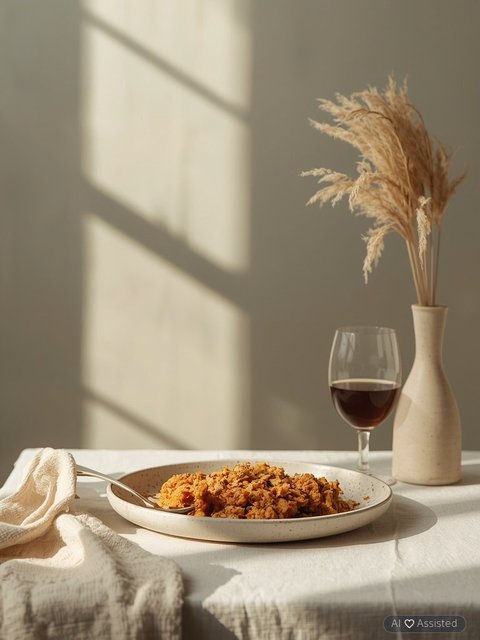
How to Effectively Utilize Holiday Meal Leftovers? Zero Waste Recipes
1 photo
640
Smart Voice
AI
0:00
0:00
Listen to the article content live
Table of Contents 11
PRO Content
PRO
This article is professional premium content (PRO) provided in its entirety.
Preparing abundant and generous meals, especially during the holiday season, is a way to express hospitality for many people... However, it often leads to unnecessary food waste, which later ends up in the trash... Therefore, it is worth considering a different approach to food leftovers - as an opportunity to create new, delicious snacks... Instead of disposing of the remnants of holiday feasts, they can be utilized innovatively and transformed into full-fledged dishes that will continue to enhance the culinary experience.
01 / 11
Meat products and meat processing
Sausages and pickles serve as an excellent base for creating quick and satisfying meals in the form of salads. They can be cut into cubes or slices, fresh vegetables, eggs, or even potato leftovers can be added to obtain a wholesome salad that is ideal for lunch or dinner. Pickles and sausages are also excellent as an addition to omelets or scrambled eggs. Roasted or boiled meat is an excellent base for preparing soups and stews. It can be cut into smaller pieces and added to a vegetable or meat broth to create an aromatic soup. Meat leftovers in combination with additional vegetable and spice components become an excellent one-pot dish. Another idea is to prepare casseroles with the help of meat leftovers, which can be added to potatoes, pasta, or rice and baked with vegetables and cheese.
02 / 11
It is a meat pie
Ingredients (four servings): – 300-400 g of meat (chicken, sausage, ham, bacon), – 400 g of potatoes (5-6 pieces), – 100 g of onions (one), – 10 g of garlic (2 cloves), – 45 g of carrots (one), – 125 g of mozzarella (one ball), – 150 g of eggs (3), – 200 ml of cream (18%) (small package), – 10 g oil (one spoon), – salt, pepper, marjoram, thyme, smoked paprika, nutmeg. Preparation: 1. Cook the potatoes in their skins, let them cool, peel them and cut them into slices. Preheat the oven to 180°C. 2. Chop the onions and garlic and sauté them in oil. 3. Cut the meat into smaller pieces, add it to the onions, season it with salt, pepper, marjoram, thyme and smoked paprika, and sauté it briefly. 4. In a fireproof dish, layer potatoes, meat with onions, and potatoes again. 5. Beat the eggs with the cream, season them with a pinch of salt, pepper and nutmeg. 6. Pour the casserole dish with the egg-cream mixture and sprinkle it with grated cheese. 7. Bake the casserole for about 30 minutes, until the cheese is golden brown.
03 / 11
Eggs
The simplest way to use up the leftover boiled eggs after the Easter celebration is to add them to salads. They go perfectly not only with fresh but also with preserved vegetables, as well as rice or pasta. You can also make a delicious sandwich spread by combining eggs with cottage cheese, avocado, mushrooms, or fish, such as salmon or tuna. Adding natural yogurt or a little mayonnaise will make the spread creamy and a perfect choice as a spread on whole-grain bread. If you prefer simplicity, a classic slice of bread with sliced eggs, chopped parsley, salt, and pepper is a quick, tasty, and nutritious snack. Eggs can also be used to make egg cutlets – just mix them with breadcrumbs, spices, and fry with a minimal amount of fat or bake in the oven. Eggs can also be used in soups – it's hard to imagine traditional sauerkraut soup without eggs, but they are also a good choice in more modern soups like ramen.
04 / 11
Fresh or chilled eggs, devoid of added sugar or any sweetening substance
Components (five pieces): – 150 g of cooked hard-boiled eggs (three pieces), – 10 ml of olive oil (spoon), – 50 g of raw eggs (piece), – 50 g of crumbled bread (half glass), – 25 g of natural yogurt (spoon), – 50 g of onion (half piece), – 5 g of garlic (clove), – 10 g of mustard (small spoon), – salt, pepper, turmeric, smoked paprika. Preparation method1. Employ crushed hard-boiled eggs or finely chopped. 2. Chop the onion and garlic, then fry them on a pan with some oil. 3. Prepare a mixture of eggs, crumbled bread, yogurt, raw egg, onion, garlic, mustard, and spices. 4. Shape the klopsiki, press them lightly flat, and place them on baking paper. 5. Cook them in the oven at 180°C for 20 minutes (turn them in the middle) or fry them in a dry pan sans fat.
05 / 11
Processed Bakery Products
One of the most delicious ways to use leftover baked goods is French toast - simply soak stale bread in egg, milk, and spices, and then fry it golden brown. In the sweet version, you can add a little honey and cinnamon, while in the savory version, cheese and herbs. It's also easy to make homemade tart bread - just dry the bread and grind it in a blender or grate it on a grater, and then use it for breading or thickening dishes. Leftover bread slices are also a great choice as a base for casseroles - cut them into pieces, place them in a heat-resistant dish, pour milk or broth over them, add cheese, vegetables, and even leftover sausage, and bake to create a satisfying dish. Another idea is to prepare croutons for salads and soups - simply fry cubed pieces of bread on a pan with a little oil and spices. Hard bread can also be used for preparing a classic bread soup or adding it to vegetable cutlets, which will give them the right consistency. There are many possibilities, and each one allows you to avoid food waste.
06 / 11
French toast for dessert
Ingredients (2 servings): 4 slices of stale bread (e.g. baguette, challah, French bread), 100 g eggs (2 pieces), 125 ml milk (1⁄2 cup), 10 g erythritol (spoon), 10 g butter (spoon), salt, vanilla extract, cinnamon. Method of preparation: 1. Mix the eggs, milk, erythritol, vanilla extract, and cinnamon in a deep dish. 2. Soak the slices of stale bread in the mixture so that they are saturated but do not fall apart. 3. Heat the butter in a pan and grill the toasts on medium heat for about 2 minutes on each side, until they are golden brown and crispy. 4. Serve hot with preferred toppings.
07 / 11
Vegetables and Fruits
The vegetables left over after the holidays can serve as an excellent base for cream soups, such as those made from potatoes, broccoli, or roasted bell peppers, and the cooked remnants from salads can be used as a filling for dishes like dumplings, crepes, or toast. Leafy vegetables that are no longer fresh, like lettuce or spinach, work great in smoothies, omelets, or casseroles. Fruits can also be used in many ways. Ripe bananas are perfect for banana bread or as an addition to pancakes, and apples and pears can be baked with cinnamon to create an aromatic dessert. Citrus fruits can be used to make homemade lemonades, salad dressings, or aromatic teas. If you have an excess of berries, it is best to freeze them for later or make homemade jam, which will be a delicious addition to meals.
08 / 11
Leftover Vegetable Omelette
Ingredients (2-3 servings): - 1-2 glasses of any vegetables left over after Christmas, - 250-300 g eggs (5-6 pieces), - 125 ml of milk (½ glass), - 62 g of mozzarella light (½ balls), - 10 ml of oil (1 teaspoon), - salt, pepper, favorite spices, such as oregano, thyme or sweet pepper. Preparation: 1. Cut the vegetables into small pieces or slices. 2. Fry them in a pan with oil for 5-7 minutes, until slightly soft. If they are already prepared, you can significantly shorten this time. 3. In a bowl, beat the eggs with milk, add salt, pepper, and spices. 4. Add grated cheese and sautéed vegetables to the egg mixture and mix. 5. Pour the mixture into a heat-resistant container or leave it in the pan if it can be put in the oven. 6. Bake at 180°C for 15-20 minutes (or cook on low heat under cover until the egg sets). 7. Serve hot or cold.
09 / 11
These are sweet delights
Cakes without cream, such as yeasts, nuts or biscuits, can be easily frozen and used later. If they are a bit dry, you can simply warm them in the oven and serve them, for example, with fruit or homemade vanilla sauce. You can also transform them into bread pudding. You have to slice them into pieces, cover them with a mixture of eggs, milk, and spices, and then bake. Chocolate bunnies and eggs work great as a base for glazes and sauces - you can melt them and use them as a decoration for other baked goods, pancakes, or ice cream. Other possibilities are preparing homemade hot chocolate with them or adding them to brownie. Crumbs of Easter cakes, crisp cookies, or biscuits can be ground and used as a base for cheesecake or as a layer in dessert cups, such as tiramisu or trifle. Dry cookies can be used to make homemade chocolates - you have to mix them with cocoa, nuts, and some butter or condensed milk, shape them into balls, and roll them in coconut flakes or cocoa.
10 / 11
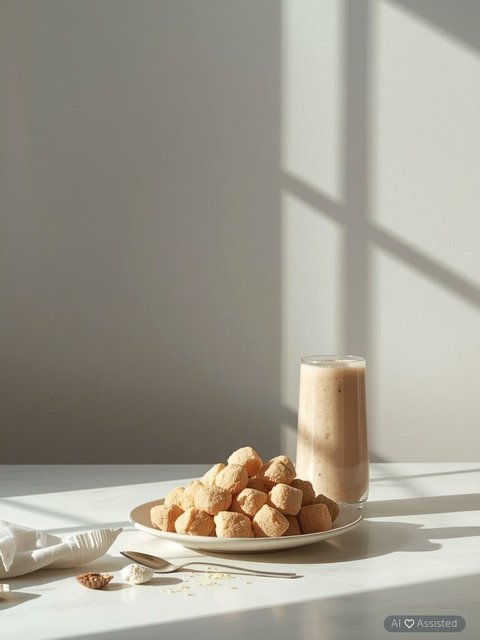
Chocolate truffle from leftover pastries
Ingredients (15 pieces): - 200–250 g of pastry remnants (e.g. gingerbread, biscuit cake, cheesecake), - 50 g of peanut butter (2 tablespoons), - 100 g of chocolate blend or regular chocolate (one piece), - coconut strips for wrapping. Preparation: 1. Divide the pastry remnants into smaller pieces and mix with peanut butter. 2. Work the dough and then form balls the size of a walnut. 3. Melt the chocolate in a water bath or in the microwave. 4. Dip the balls in the melted chocolate and then wrap in coconut strips. 5. Place them in the refrigerator for 30 minutes to allow the dough to set.
11 / 11
Don't squander waste – share meals
If there are more leftover foods after the festive season than we can consume, it's worth considering giving them away. In many cities, there are so-called community canteens or free refrigerators and shelves where everyone can leave an excess of food for those in need. All you have to do is pack the products correctly, ensure they are fit for consumption, and place them in a designated location. It's a simple method to reduce food waste and at the same time provide assistance to those in need. It's also worth considering supporting local charitable organizations, shelters, or soup kitchens that often accept bread, dairy, vegetables, fruits, and other products. Additionally, one can check local initiatives or support groups that are engaged in sharing food.
Meal Plan
Want to apply these guidelines in your daily diet?
Our smart diet generator creates a tailored meal plan in 3 minutes based on the recommendations in this article.

Scientifically reviewed by a clinical dietitian
• 24.03.2026
mgr Emilia Szymańska
Diets Premium Expert
Diets Premium team expert. Specializes in nutrition plans, strength sports, and training plans.
USDA FoodData Central
EFSA
PubMed Clinical Guidelines